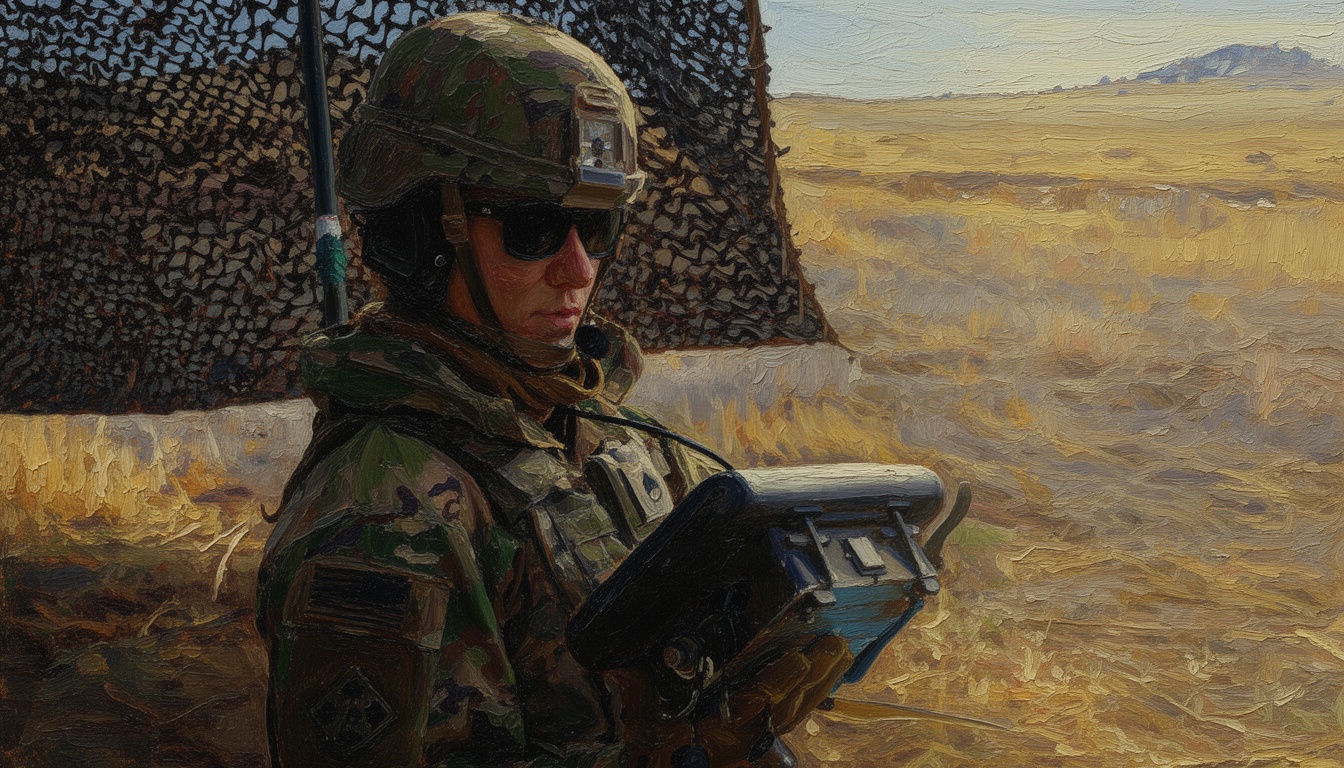
US Army Aims to Equip 11 Divisions with NGC2 by 2028
The U.S. Army plans to deploy Network Command and Control (NGC2) capabilities across 11 divisions over the next five years, starting with I Corps in the Pacific Region. This initiative aims to enhance operational readiness and technological integration within military forces.
The U.S. Army has announced plans to equip all 11 of its divisions with Network Command and Control (NGC2) capabilities within a five-year timeframe. This modernization effort will begin with I Corps, which is headquartered in the Pacific, slated to receive NGC2 enhancements starting next year. By deploying NGC2 infrastructure, the Army seeks to improve command and control systems critical for modern warfare.
Background context shows that the NGC2 initiative is part of a broader strategy to leverage advanced technologies for greater operational effectiveness. The integration of NGC2 will allow for improved situational awareness, faster decision-making processes, and enhanced connectivity among units, which are essential in dynamic operating environments.
Strategically, the focus on I Corps underlines the U.S. commitment to maintaining a strong military presence in the Pacific Region, amid rising geopolitical tensions. This development signifies an emphasis on strengthening defense capabilities in response to evolving threats, particularly from powers in the Indo-Pacific area.
In terms of operational details, the NGC2 initiative will involve a comprehensive review of existing infrastructure, along with significant investments in technology upgrades and personnel training. The Army has allocated funding to facilitate this transition, planning to streamline its command structures while integrating advanced communication systems that can function seamlessly in multi-domain operations.
Looking ahead, the consequences of implementing NGC2 across all divisions are likely to be profound. Enhanced command and control capabilities could dramatically alter the U.S. Army's operational landscape, enabling more effective responses to emerging threats and operational challenges. As I Corps prepares for NGC2 implementation, other divisions are expected to follow suit, leading to a more agile and responsive military force overall.