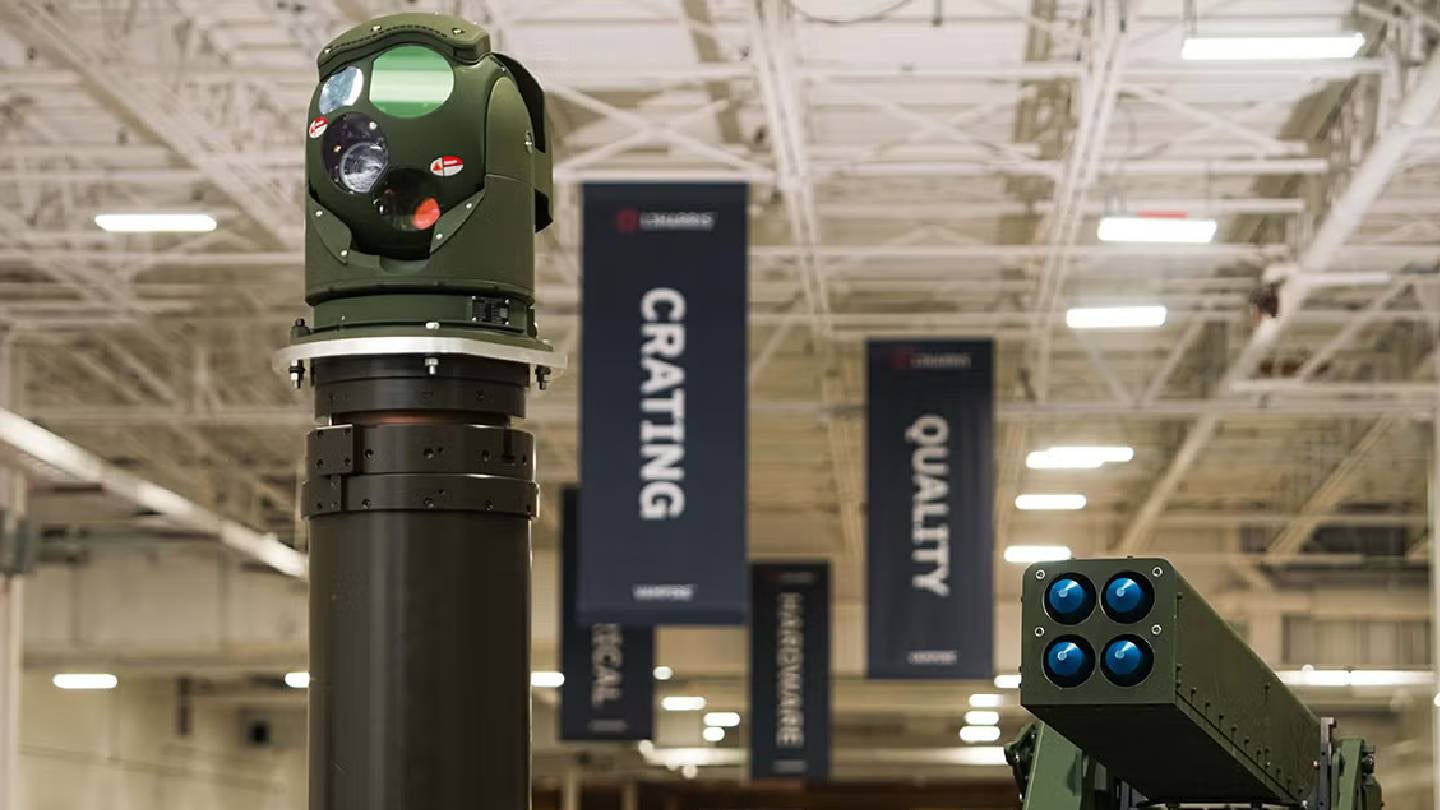
US Army Awards $106M Contract for VAMPIRE Anti-Drone Systems
The US Army has contracted L3Harris for advanced anti-drone systems, emphasizing growing concerns over uncrewed aerial threats. This $106 million deal will enhance situational awareness and operational capabilities.
The US Army has awarded L3Harris a contract worth $106 million for its Vehicle-Agnostic Modular Palletised ISR Rocket Equipment (VAMPIRE) systems, aimed at countering uncrewed aerial vehicles. The agreement highlights the Army's intent to bolster its defenses against a rising tide of drone threats. By integrating VAMPIRE systems, which can be deployed on various platforms, the Army expects to enhance its operational flexibility and effectiveness in complex combat environments.
The VAMPIRE system, designed for modular deployment, consists of ground-based rocket launchers that can fire ISR (Intelligence, Surveillance, and Reconnaissance) missiles specifically engineered to target uncrewed drones. This capability reflects the U.S. military's strategic shift towards addressing the vulnerabilities posed by uncrewed systems in modern warfare. The growing prevalence of drones in conflict zones necessitates enhanced countermeasures, making this contract strategically significant.
In operational terms, the VAMPIRE system offers versatility as it can be mounted on different vehicle types, allowing rapid deployment in diverse theaters of operations. The contract also signifies L3Harris' role in shaping the future of counter-drone technology, underscoring its position as a key player in the defense industrial base. With this investment, the Army aims to ensure robust protective measures against aerial threats, reinforcing its commitment to maintaining technological superiority.
As the contract moves forward, it is expected that L3Harris will expedite production to meet the Army's growing demand for counter-drone capabilities. This initiative may set a precedent for other militaries evaluating similar technologies amid increasing concerns over drone usage in both conventional and unconventional warfare contexts. Therefore, the implications of this contract extend beyond immediate operational needs, affecting broader strategic defense considerations.