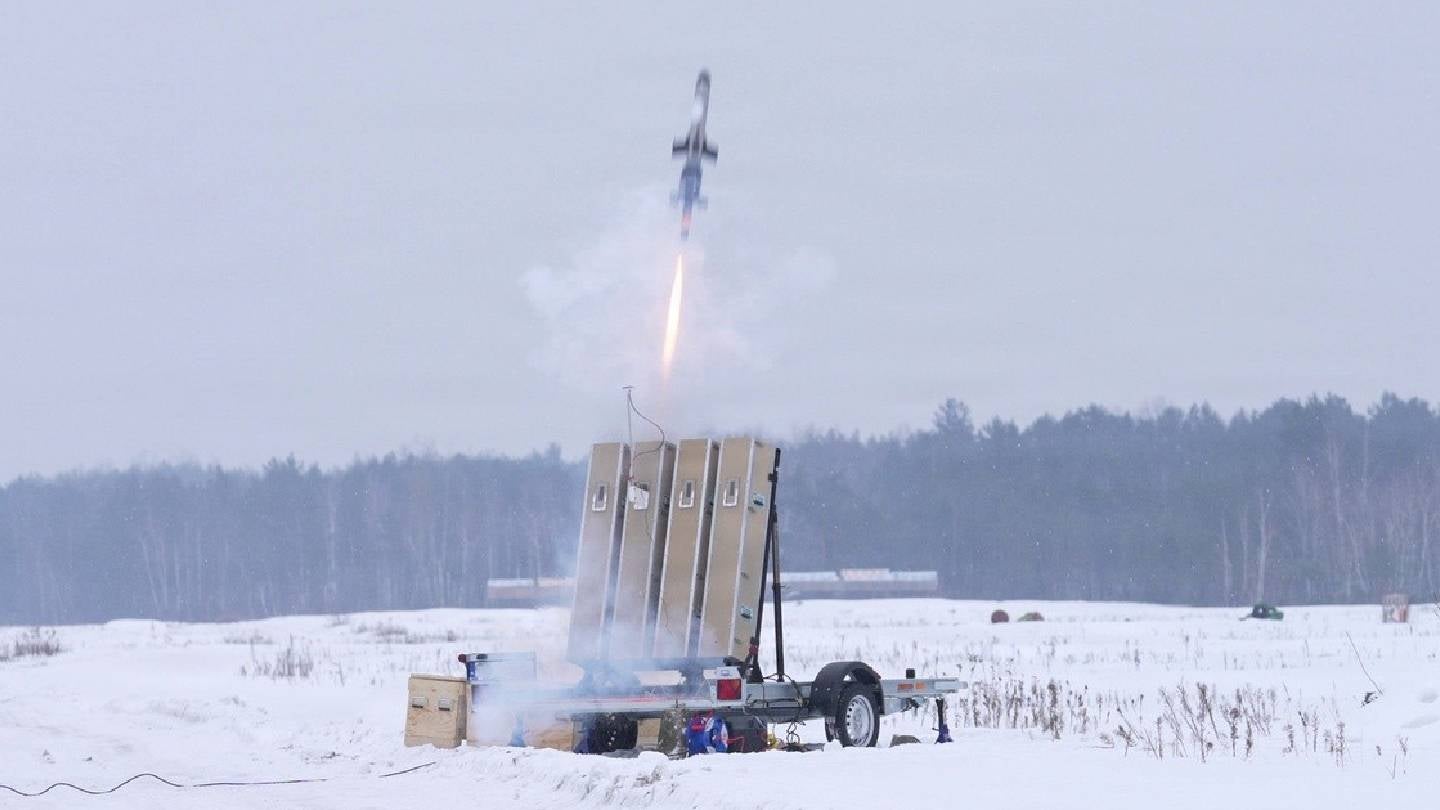
US Army Evaluates DZYNE’s IonStrike Interceptors Against Drones
The US Army is testing the IonStrike interceptors to enhance its defense against unmanned aerial systems. This development highlights a growing trend in military capabilities to counter drone threats.
The US Army's 52d Air Defense Artillery Brigade is actively testing and evaluating the IonStrike kinetic interceptors created by DZYNE Technologies. This initiative forms part of a broader strategy aimed at bolstering defense mechanisms against uncrewed aircraft systems (UAS). As drone warfare increasingly defines modern conflicts, deploying effective countermeasures has become critical.
The IonStrike interceptors are designed to neutralize threats posed by drones, which have become prevalent in various theaters of conflict. This testing phase showcases the Army's commitment to integrating advanced technologies into its operational framework, seeking to enhance situational awareness and response capabilities.
Strategically, this move underscores the importance of drone defense within the realm of air defense operations. As adversaries continue to integrate unmanned systems into their military arsenals, the ability to counter these platforms effectively will be a decisive factor in future engagements. The US military's focus on developing drone defense systems reflects a shift in tactical priorities amid evolving warfare dynamics.
Details regarding the specifications of the IonStrike interceptors remain classified; however, they are expected to feature advanced targeting mechanisms and rapid engagement capabilities to deal effectively with fast-moving aerial threats. The 52d Air Defense Artillery Brigade plays a crucial role as it assesses the performance and reliability of this cutting-edge technology in operational scenarios.
In light of ongoing global conflicts where drones play a significant role, enhancing defenses against these systems will be paramount. The US Army's examination of DZYNE's IonStrike interceptors signals a proactive approach to future threats, ensuring that military readiness remains aligned with current battlefield realities.