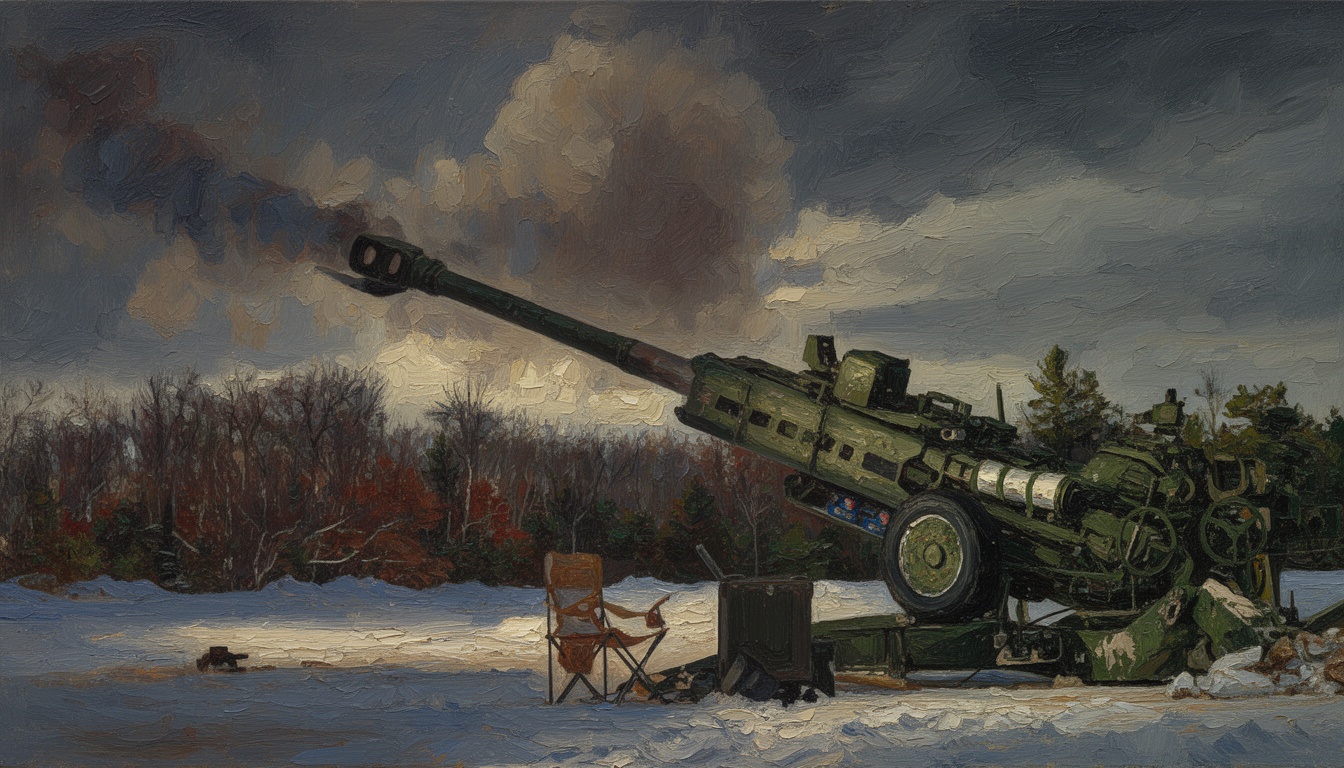
US Army Faces Production Challenges for 155-mm Ammunition
The U.S. Army is confronting significant manufacturing issues that are obstructing the timely production of 155-mm artillery shells. This setback affects the Army's operational readiness and capabilities.
Manufacturing problems have emerged as a critical issue for the U.S. Army, hindering efforts to increase the production of 155-mm howitzer shells. A recent report from a government watchdog highlighted that these setbacks are jeopardizing the plans to meet the urgent demand for this ammunition, which is vital for artillery support in various military operations.
Background context reveals that the 155-mm howitzer ammunition is a cornerstone of artillery capability for the U.S. forces. The usage of this caliber has increased due to ongoing military commitments and heightened operational requirements. With the current geopolitical climate placing additional stresses on military inventories, ensuring a robust supply chain for artillery munitions is more important than ever.
The strategic significance of resolving these manufacturing challenges cannot be overstated. If the U.S. Army cannot ramp up production quickly, it risks being unable to support current and future military operations effectively. This situation not only impacts immediate tactical capabilities but also has broader implications for deterrence in international theaters where U.S. forces are stationed.
In terms of technical details, the production of 155-mm shells involves complex manufacturing processes that must meet strict quality and performance criteria. Costs associated with these shells can vary, but reliable projections suggest that the U.S. defense budget may need to allocate substantial resources to address the production delays, ensuring that the Army is adequately stocked.
Looking ahead, if these production issues remain unresolved, the U.S. Army could experience significant operational limitations. This could lead to a reevaluation of military strategies and readiness levels, forcing a recalibration of priorities in defense planning. The situation warrants close monitoring to safeguard against potential gaps in artillery support capacity.