US Army Fires Tomahawk Missile During Balikatan Drills
The US Army's live-fire exercise signals enhanced military presence in the Asia-Pacific region amidst rising tensions.
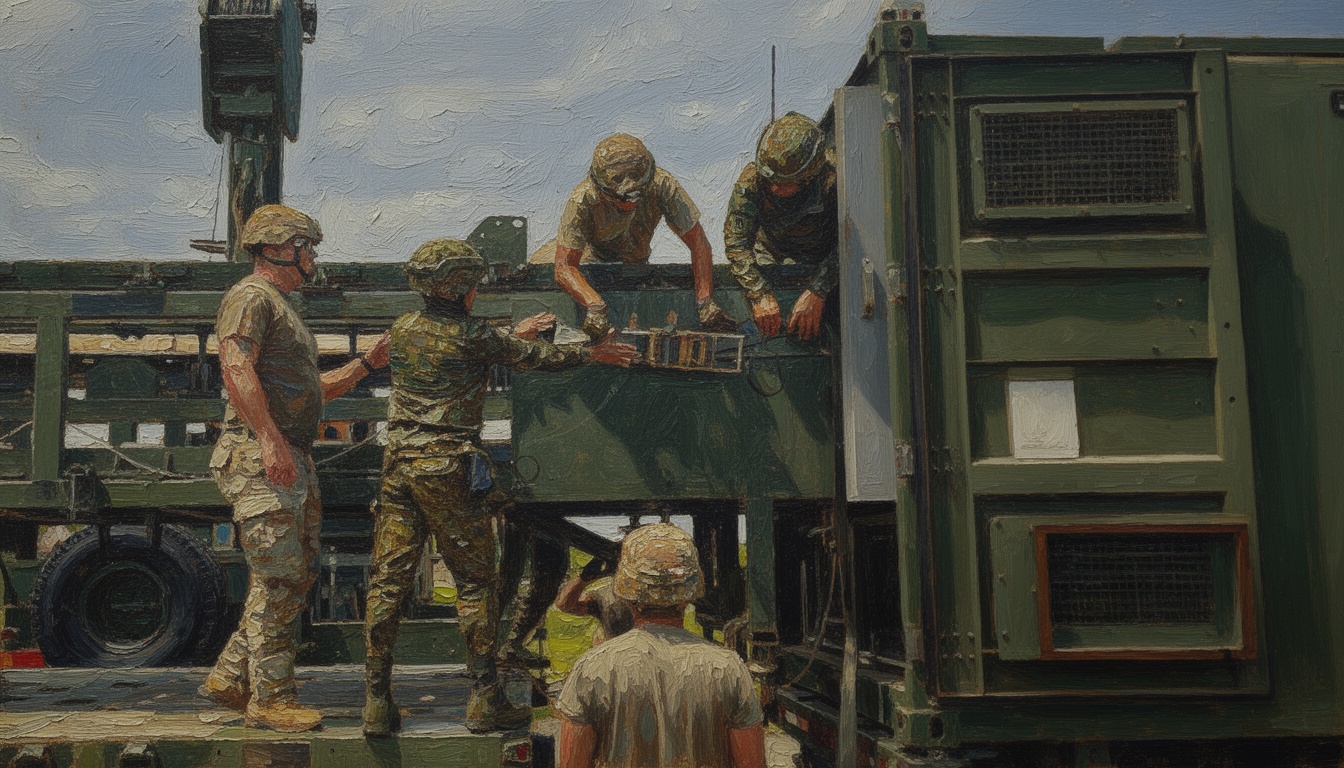
On Tuesday, the US Army conducted its first live-fire exercise involving the Tomahawk missile from the Typhon Mid-Range Capability launcher system during the Balikatan military drills in the Philippines. This event marks a significant milestone as it is the first time the Typhon system has been utilized since its deployment in the country two years ago. The exercise serves to enhance the operational readiness of US forces in a region increasingly characterized by geopolitical tensions.
The Typhon system, developed by Lockheed Martin, was transported 13,000 kilometers (8,000 miles) from Joint Base Lewis-McChord in Washington state to Luzon in the Philippines. This capability is designed to improve the range and lethality of US forces, allowing for rapid strike options against potential adversaries. The Balikatan exercises symbolize not only military cooperation between the US and the Philippines but also serve as a direct response to regional security challenges, particularly concerning China's military assertiveness in the South China Sea.
The strategic implications of this live-fire exercise are profound, reinforcing the US commitment to regional partners and allies. It demonstrates a clear message of deterrence to nations that might challenge US interests in the Indo-Pacific. The use of the Tomahawk missile allows for precision strikes, which significantly enhances the US military’s operational capabilities in the area, contributing to the overall security architecture of the region.
Operational details of the Typhon system reveal that it is capable of launching a variety of missile types, including the Tomahawk cruise missile, which has an effective range of approximately 1,600 kilometers (1,000 miles). The system's mobility, thanks to its transportability, allows for quick deployment in response to emerging threats. This multidomain capability ensures that US forces can maintain their strategic edge over potential adversaries, amid increasing tensions in the region.
In conclusion, the successful test firing of the Tomahawk missile during the Balikatan drills indicates not only a step forward in military cooperation between the US and the Philippines but also signifies the US's readiness to counteract potential threats in a volatile Asia-Pacific environment. This development will likely escalate tensions further with Beijing, as it views such military exercises as encroachment on its influence in the region.