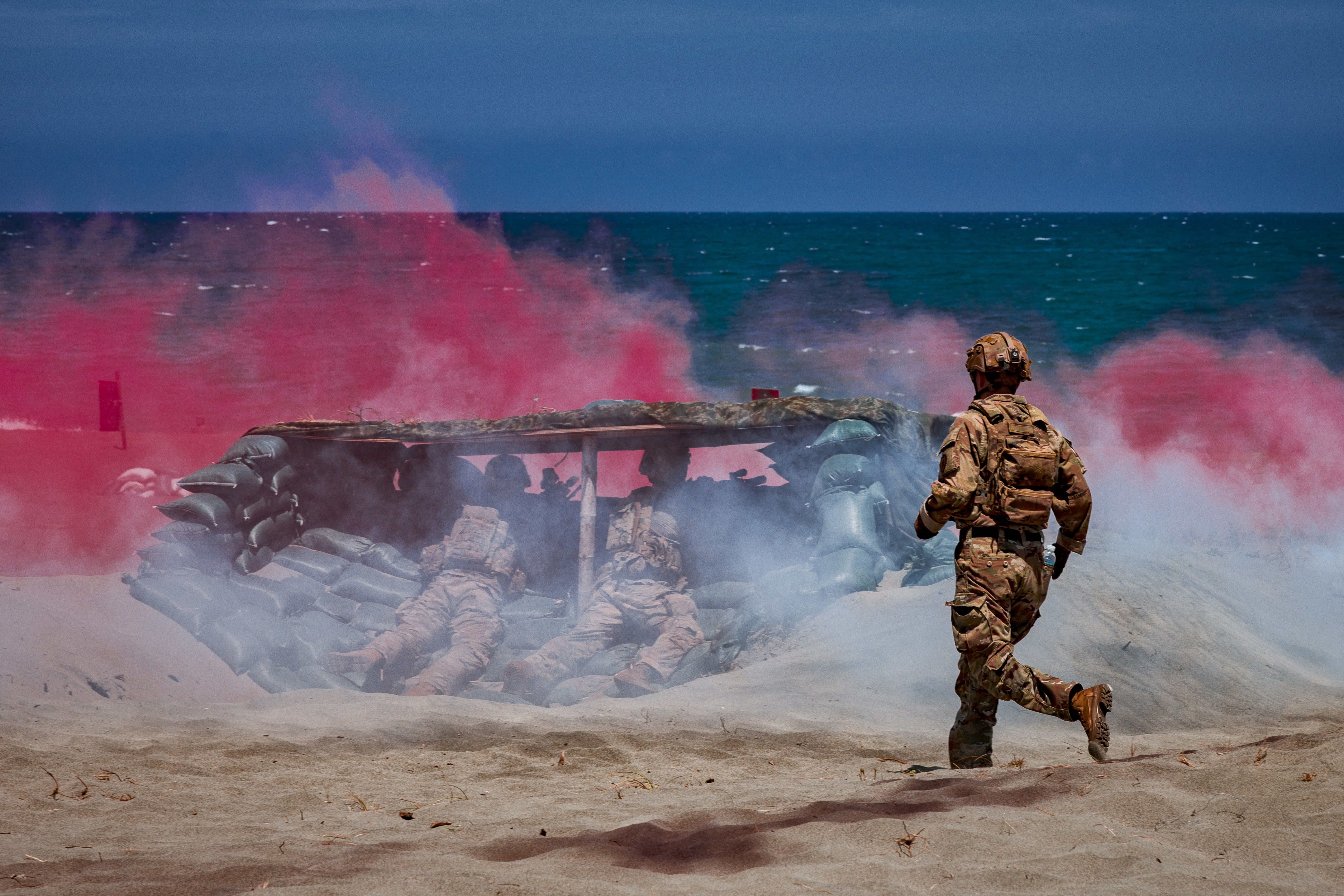
US Army Pacific Commander Discusses Balikatan Exercises
General Ronald Clark emphasizes the significance of Balikatan 41 for US strategic interests in the Asia-Pacific region. The exercise showcases military cooperation and readiness amid rising tensions.
General Ronald Clark, commander of US Army Pacific (USARPAC), addressed the importance of the Balikatan exercises, marking the 41st iteration of this annual event that brings together US and Philippine forces. Since taking command on November 8, 2024, Clark has underscored the exercise's role in reinforcing military partnerships and operational readiness in the Asia-Pacific theater.
Balikatan, which translates to 'shoulder-to-shoulder' in Filipino, has evolved into a pivotal demonstration of mutual defense and strategic alignment. The exercise not only focuses on humanitarian assistance and disaster relief but also emphasizes joint training operations that prepare both nations for a wide range of scenarios. This year's iteration occurs amid heightened regional security concerns and China's increasing influence.
The strategic significance of Balikatan lies in its ability to enhance interoperability between US and Philippine forces, showcasing advanced military capabilities. Each iteration features complex exercises, including live-fire drills and various technical skill demonstrations, reflecting the evolving warfare landscape in the region. Notably, the participation of additional allies during these exercises further cements cooperative defense postures against potential threats.
As tensions persist in the Indo-Pacific, particularly concerning China's assertive actions, exercises like Balikatan serve as a critical platform for showcasing readiness and commitment to allies. This partnership is essential for maintaining a stable balance of power and ensuring regional security.
With General Clark at the helm and notable shifts in security environments, the upcoming Balikatan is set to play a crucial role in affirming US and Philippine defense relations while signaling to other actors in the region. The anticipated outcomes may influence future strategic engagements and defense cooperation among allied nations.