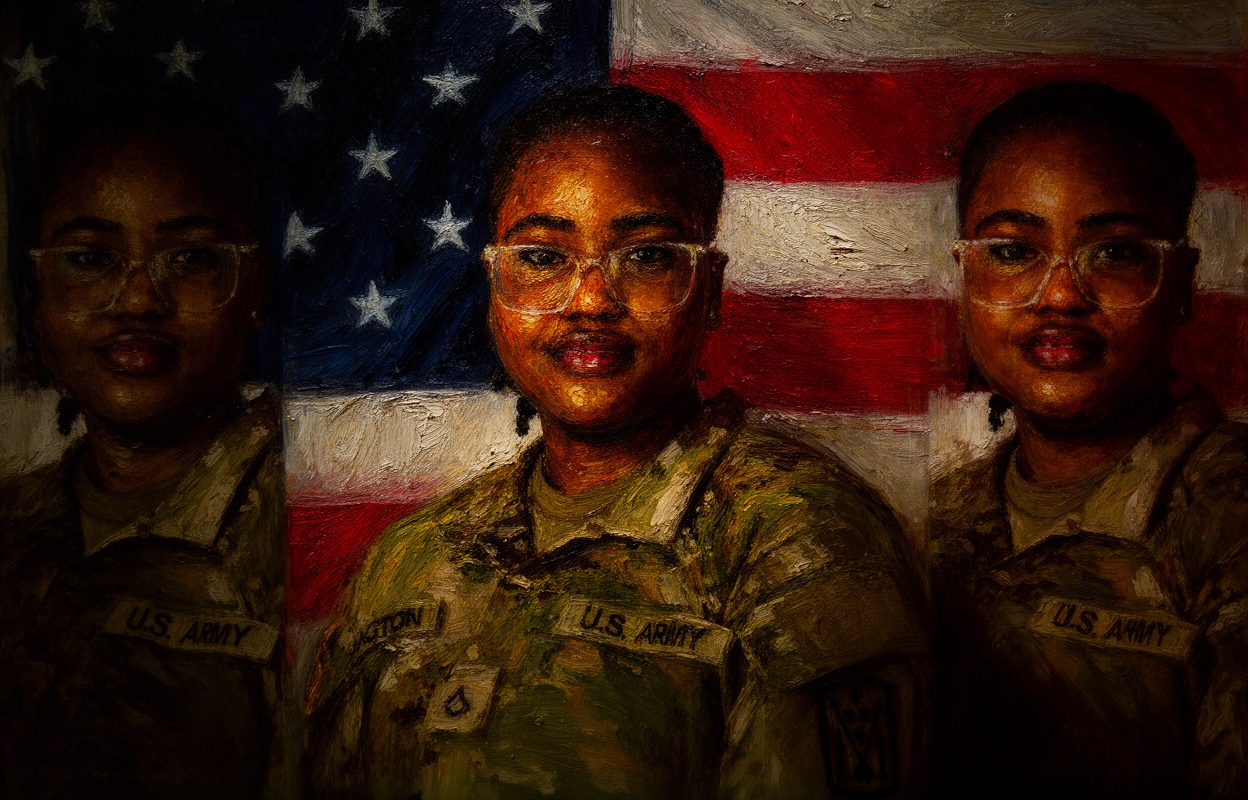
US Army Recovers Remains of Second Missing Soldier in Morocco
The recovery of Spc. Mariyah Symone Collington's remains highlights the dangers of military exercises abroad. This incident raises questions about operational safety protocols during multinational training events.
The United States Army has confirmed the recovery of the remains of Specialist Mariyah Symone Collington, 19, the second soldier reported missing during a military exercise in Morocco. The exercise, which began on May 2, included various multinational forces focusing on training and cooperation in diverse operational environments.
This incident marks a significant tragedy for the Army and especially for the families involved. The missing persons report was first announced following the completion of a training drill, which is routine but often involves challenging and unpredictable conditions. Both soldiers went missing under circumstances that are still being investigated, which adds complexity to the incident.
Significantly, the death of the soldiers has raised concerns over the safety measures in place during such exercises. Military exercises are designed not only to enhance combat readiness but also to test the limits of operational safety, particularly in environments that present risks. This event draws attention to the importance of conducting thorough risk assessments before engaging in joint maneuvers.
Operational details regarding the recovery operation for Collington's remains have not been released, indicating a focus on ensuring the integrity of the ongoing investigation. The Army’s commitment to recovering its personnel reflects its core values of duty and respect for the sacrifices made by service members.
The consequences of this tragic loss will likely resonate within military communities as they reassess training protocols and ensure that safety remains a top priority in future exercises. The incident has sparked a broader discussion on how to prevent similar occurrences during multinational trainings and to protect the lives of service members on duty.