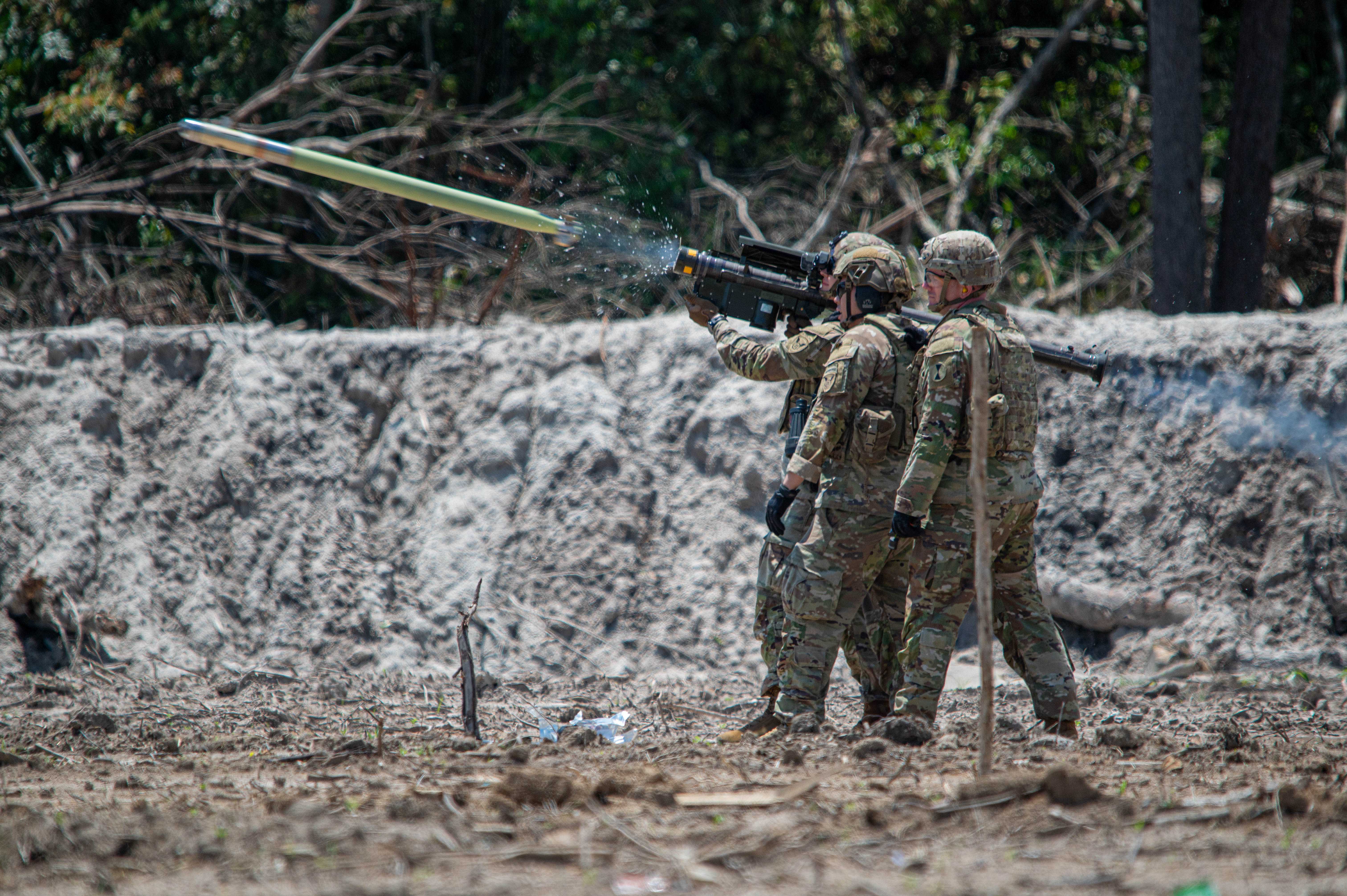
US Army Seeks 11,000 Next-Gen Air Defense Missiles
The US Army's new Request for Information targets acquisition of 11,000 short-range interceptors to enhance air defense capabilities. This move marks a significant shift from reliance on the Stinger system.
The United States Army has issued a Request for Information (RFI) to identify potential manufacturers capable of delivering 11,000 next-generation, short-range air defense interceptors. The procurement is set to commence in Fiscal Year 2028, reflecting a strategic pivot in the Army's approach to aerial threats.
The need for these advanced interceptors arises from evolving aerial threats and the limitations observed in existing systems, particularly the Stinger missiles. The Army aims to bolster its air defense capabilities, signaling a commitment to modernize and enhance operational effectiveness in contested environments.
Strategically, this RFI represents a crucial effort for the US Army to strengthen its defensive posture against increasingly sophisticated aerial threats. By transitioning to a new generation of missiles, the Army not only aims to maintain its technological edge but also adapt to future warfare scenarios where countering aerial threats will be paramount.
The requirements outlined in the RFI suggest a focus on capabilities such as agility, rapid response, and high accuracy to intercept smaller, faster aerial targets. Companies will be encouraged to propose innovative solutions that meet these specifications while ensuring cost-effectiveness for the Army’s budget, which demands accountability amid rising defense expenditures.
Looking forward, if successful, this initiative could significantly enhance the US Army's air defense framework, thereby improving the overall security architecture against aerial threats. It may also stimulate competition among defense contractors to develop cutting-edge technologies that align with the Army's needs by 2028.