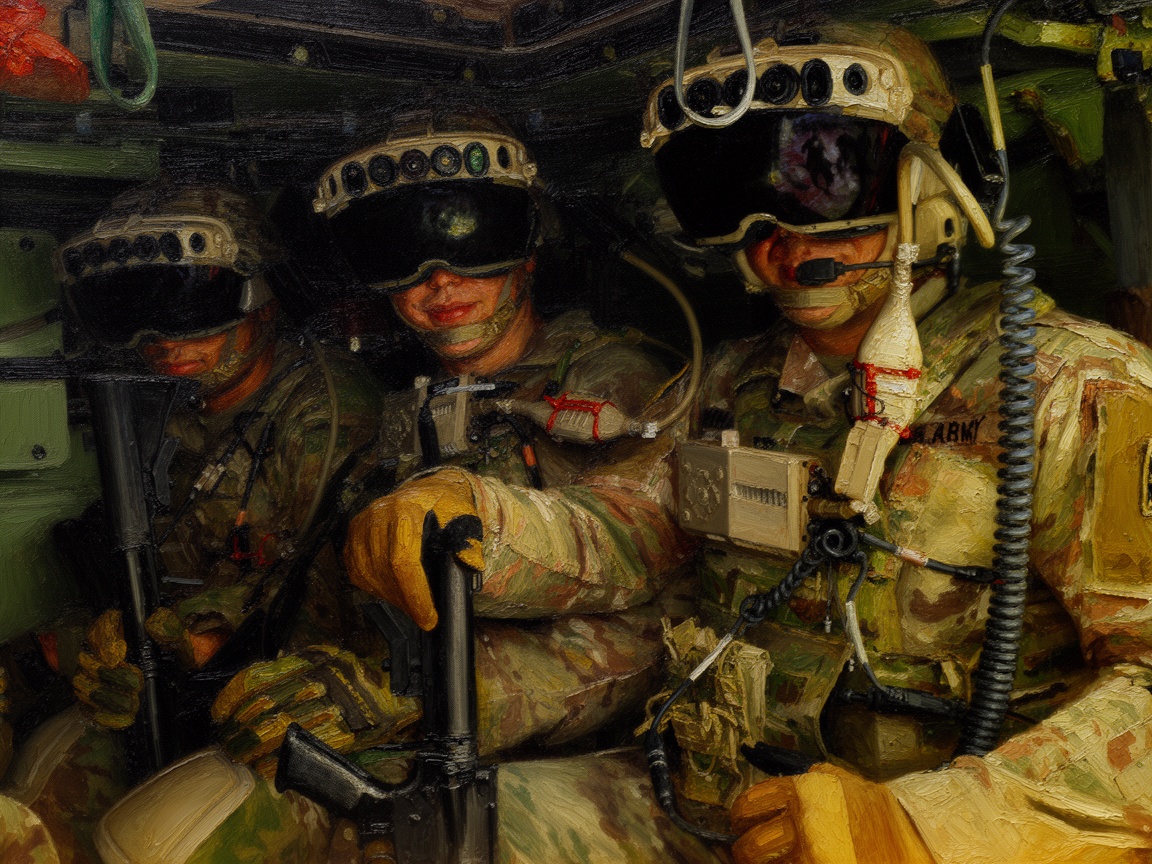
US Army to Retire 10,000 IVAS Goggles After $2 Billion Investment
The US Army is ending its Integrated Visual Augmentation System program after years of high expectations and significant investment. This decision reflects broader challenges in military technology development.
The United States Army has announced plans to retire 10,000 sets of its Integrated Visual Augmentation System (IVAS) goggles. This decision comes after the program encountered multiple development setbacks and cost nearly $2 billion. The retirement marks a significant setback for a project that had garnered substantial attention and expectations amidst ongoing military modernization efforts.
Background on the IVAS program highlights its origins as an ambitious initiative aimed at enhancing soldier capabilities through augmented reality. The tablets promised to provide troops with advanced situational awareness and integration with battlefield networks. Nevertheless, the Army has determined that the system's performance did not meet its operational requirements after years of testing.
The strategic implications of this decision are noteworthy, as it underscores difficulties faced by the Army in developing cutting-edge technology. As global military competition intensifies, the failure of the IVAS program may prompt a reevaluation of technology procurement strategies and collaboration with private sector innovation.
Operationally, the decision to mothball these goggles may lead to reallocation of resources towards more promising technology projects. The funding and investment spent on the IVAS will be scrutinized, and future projects might adopt different approaches to avoid similar pitfalls. The timeline for transitioning away from IVAS will be critical for maintaining readiness among troops.
Consequently, the failure of the IVAS program raises concerns about the Army's ability to stay at the forefront of military modernization. Improved communication will be essential in mitigating operational gaps as the Army pivots towards potential alternatives while ensuring soldiers remain equipped with effective tools on the battlefield.