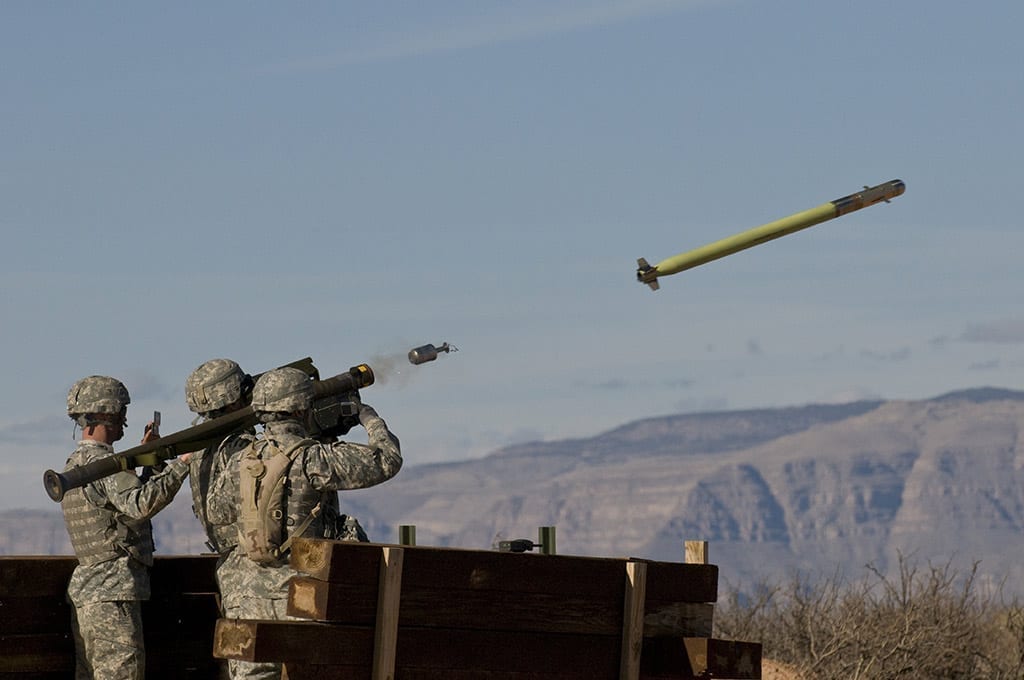
US Army to Retire FIM-92 Stinger for Advanced Missile
The US Army plans to replace the FIM-92 Stinger with 11,000 advanced short-range interceptors, enhancing mobile defense capabilities.
The United States Army is moving forward with an ambitious plan to retire the decades-old FIM-92 Stinger missile system. Military officials have formally requested proposals from defense contractors for manufacturing approximately 11,000 Next Generation Short Range Interceptor missiles. This initiative represents a significant shift in the Army's approach to air defense, focusing on modern technology and improved capabilities.
The FIM-92 Stinger has been a cornerstone of U.S. air defense since its introduction in the late 1970s. However, advancements in missile technology and the evolving nature of aerial threats necessitate a more capable solution. The Next Generation Short Range Interceptor is intended to provide enhanced tracking, targeting, and intercepting capabilities against a wide range of aerial threats, including drones and manned aircraft.
Strategically, this upgrade is critical for maintaining air superiority and protecting ground forces from various aerial threats. By replacing the aging Stinger system with more advanced interceptors, the Army aims to increase its deterrent posture and operational effectiveness. This modernization effort aligns with broader defense initiatives to adapt to 21st-century warfare dynamics.
The procurement of approximately 11,000 units reflects a substantial investment in future defense capabilities. Specific details regarding the interceptor's technical specifications, such as range and guidance systems, have yet to be disclosed but are expected to surpass the legacy Stinger system significantly. This acquisition will not only strengthen U.S. defenses but also stimulate the defense industry by engaging multiple contractors in the production process.
In conclusion, the transition from the Stinger to the Next Generation Short Range Interceptor marks a pivotal moment in U.S. military capability enhancement. As threats evolve, this upgrade will better position the Army to address emerging challenges while ensuring the protection of its forces in contemporary battlefields.