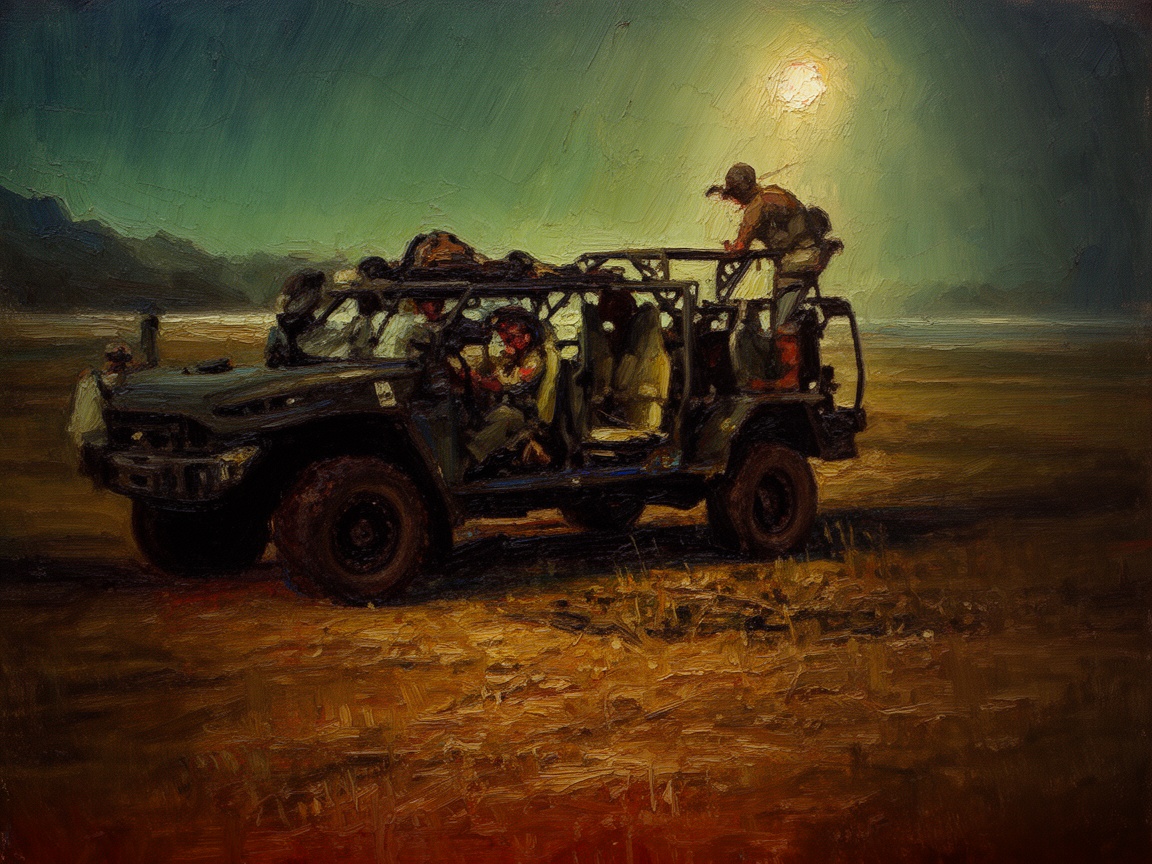
US Army to Test New Infantry Squad Vehicle Prototypes
Ford, GM Defense, and BC Customs will develop competing prototypes for the U.S. Army's future infantry squad vehicle. This competition highlights the ongoing modernization of ground forces amid evolving battlefield requirements.
Ford, GM Defense, and BC Customs have been selected to build prototypes for the U.S. Army's future infantry squad vehicle (ISV). This initiative is part of a broader effort to enhance the Army’s operational capabilities on modern battlefields. The U.S. Army aims to replace existing vehicle fleets with more agile and versatile options that can effectively support infantry units in various combat scenarios.
The development of the ISV is crucial as it seeks to provide soldiers with improved transportation solutions while ensuring increased payload capacity and durability. These new vehicles must be able to navigate difficult terrains and be easily transportable by Chinook helicopters, enabling rapid deployment and flexibility during operations. This emphasis on agility and adaptability in vehicle design reflects the Army’s response to evolving threats and the need for enhanced combat mobility.
Technically, the ISV aims for a weight of approximately 5,000 pounds and must accommodate up to nine soldiers along with their equipment. The participation of major defense contractors like Ford and GM Defense underscores the importance of innovation in defense technology and the competitive nature of military procurement. Prototypes are expected to be unveiled over the next two years.
This initiative signals a significant investment in the future of ground combat vehicles, as the Army plans to engage these vehicles within its broader modernization program. The selected prototypes will be tested rigorously to determine the most effective design and capability to meet mission requirements. The outcome of this competition could influence the direction of U.S. military vehicle manufacturing and shape strategies for future combat engagements.
As the Army seeks to modernize and adapt to new operational environments, the development of the ISV reflects its commitment to providing troops with the best possible tools for success. The results from these prototypes could potentially transform the infantry's mobility and effectiveness on the battlefield, leading to potential implications on operational strategies across various global theaters.