US Army's Jamming Exercises Reveal Tactical Insights
The US Army's recent Ivy Mass exercise exposed vulnerabilities in communications. The outcomes will shape future tactics and procurement strategies.
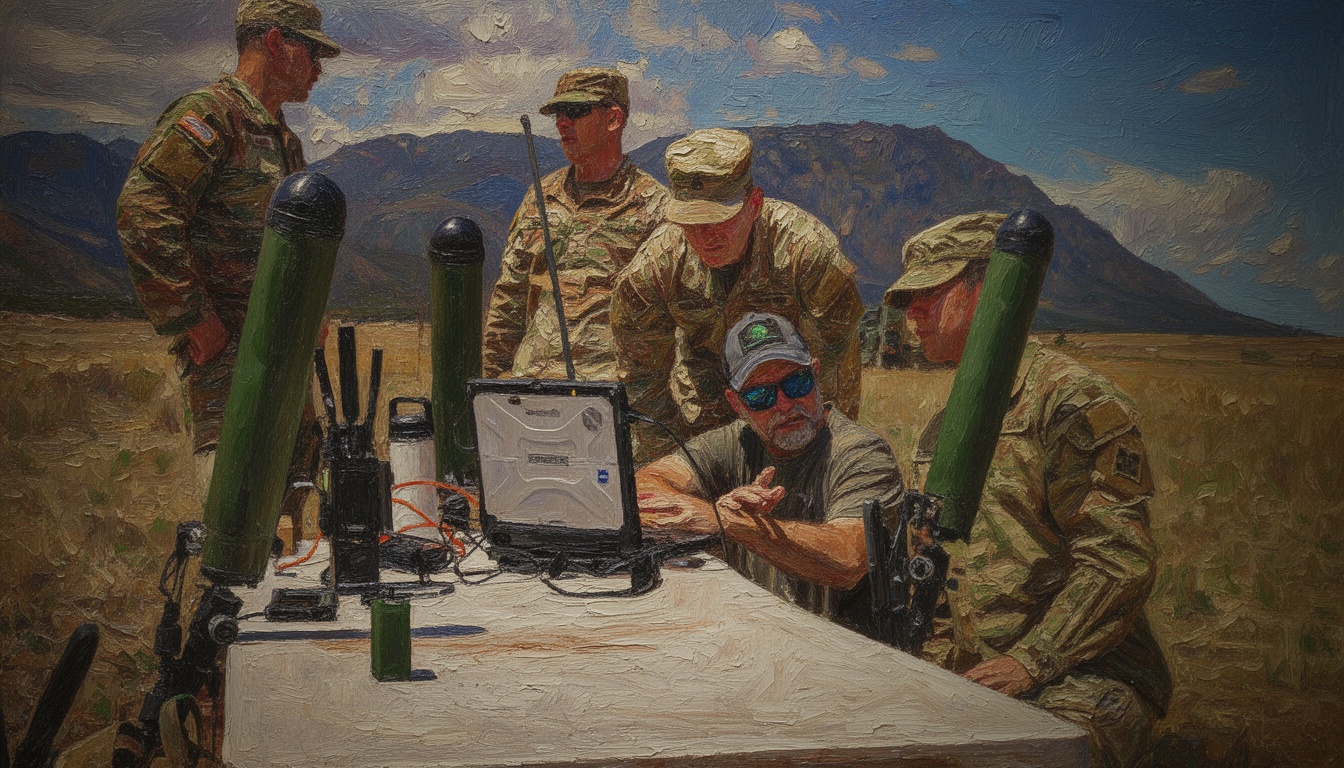
The US Army conducted an extensive jamming exercise during the Ivy Mass event, revealing critical vulnerabilities in its operational communications. The red team's efforts to interfere with Army communications systems served as a wake-up call about the potential impact of electronic warfare on field operations.
This exercise aimed to simulate realistic threats that soldiers might face during actual combat scenarios. By using their own signals to jam communications, the Army identified weaknesses not only in offensive capabilities but also in defensive measures against jamming techniques. The insights gained are expected to significantly influence future tactical approaches and equipment purchases.
The significance of these findings extends beyond immediate operational tactics. As electronic warfare capabilities expand globally, understanding one's own weaknesses is essential for maintaining a tactical edge. The lessons learned from Ivy Mass will help the Army anticipate and counteract similar threats from adversaries in future engagements.
Technically, the exercise utilized advanced jamming equipment that mimics potential enemy capabilities. By closely examining the effectiveness of their tactics, the Army aims to refine its communication systems to enhance resilience against jamming. This could lead to upgrades in modern communication technologies and strategies to bolster operational security.
Moving forward, the Army's procurement decisions will likely reflect the lessons learned from this exercise. Investments in enhanced communication systems and training focused on resilience against electronic warfare will be prioritized to ensure soldiers are equipped to maintain operational integrity in contested environments.