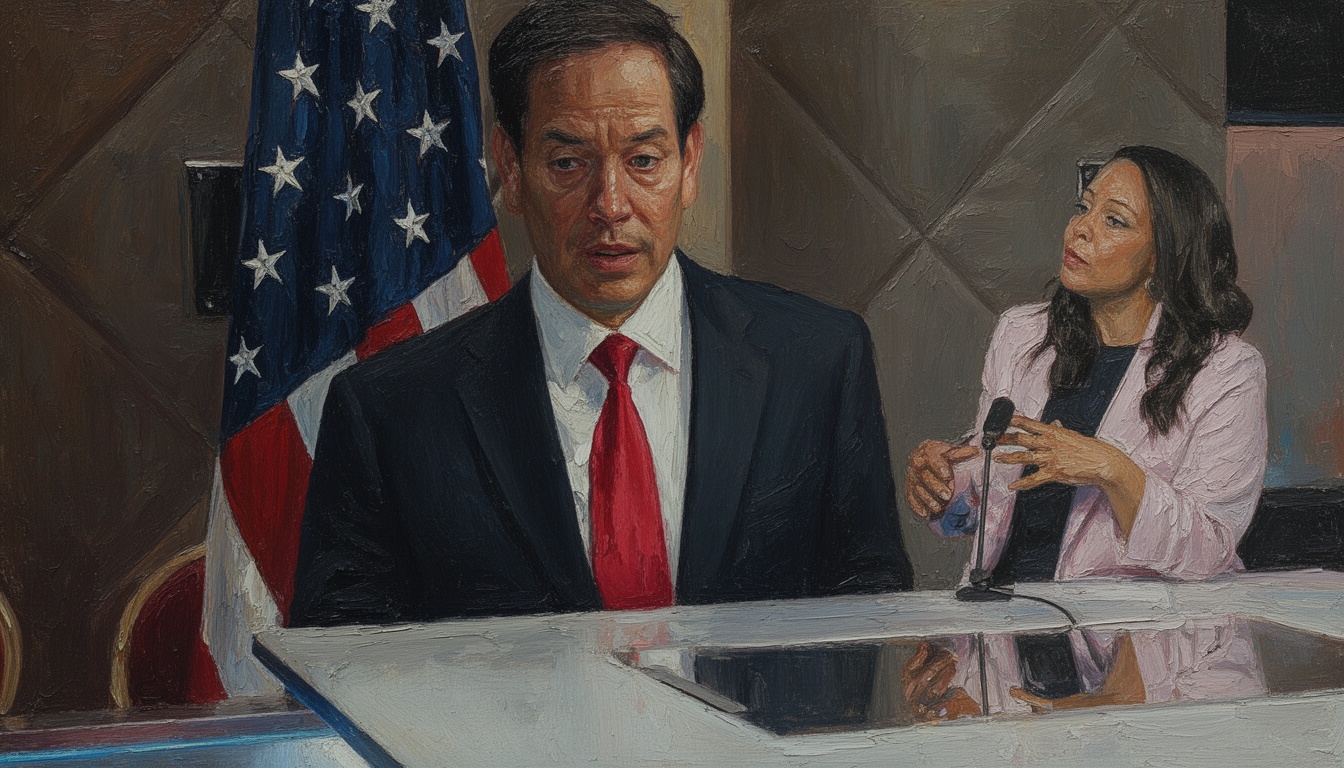
US Attempts to Address Gulf Allies' Fears on Iran Deal
The US Secretary of State Marco Rubio's outreach to Gulf Arab leaders is crucial as apprehensions grow over the Iran agreement's implications for regional security and energy supplies.
US Secretary of State Marco Rubio is currently engaged in a sensitive diplomatic effort aimed at reassuring Gulf Arab leaders. During his visit, he is presenting Washington's Iran peace deal, which has raised concerns among allies about potential concessions that could empower Tehran. These fears revolve around the possibility that an agreement might destabilize the region's security dynamics and alter oil flow routes essential for global markets.
The context of this outreach stems from escalating tensions between the US and Iran, which have persisted for years. Gulf Arab states are particularly wary that a thaw in relations between the US and Tehran could lead to increased Iranian influence across the region, challenging their own security interests. Leaders in these countries are eager to ensure that their national security concerns are addressed in any diplomatic deal.
Strategically, the implications of the Iran deal are significant for the Gulf Cooperation Council (GCC) nations, which include Saudi Arabia, the UAE, and others. They are wary of the potential for Iran to gain a tactical edge, especially in contentious areas like Yemen and Syria, where Iranian-backed forces are already active. Thus, Rubio's diplomacy is crucial in mitigating fears of Iranian expansionism following any potential agreement.
Operationally, the stakes are high with oil flow security as a focal point of the discussions. The prospect of renewed tensions could disrupt the Gulf's oil trade, affecting prices globally. Ensuring that these economic interests are safeguarded will be integral to any successful negotiations.
The likely consequences of Rubio's diplomatic mission may either bolster regional alliances or further alienate Gulf states if their concerns are not adequately addressed. As talks progress, the balance of power within the region hangs in the balance, potentially reshaping future alliances as both the US and its Gulf partners navigate these challenges together.