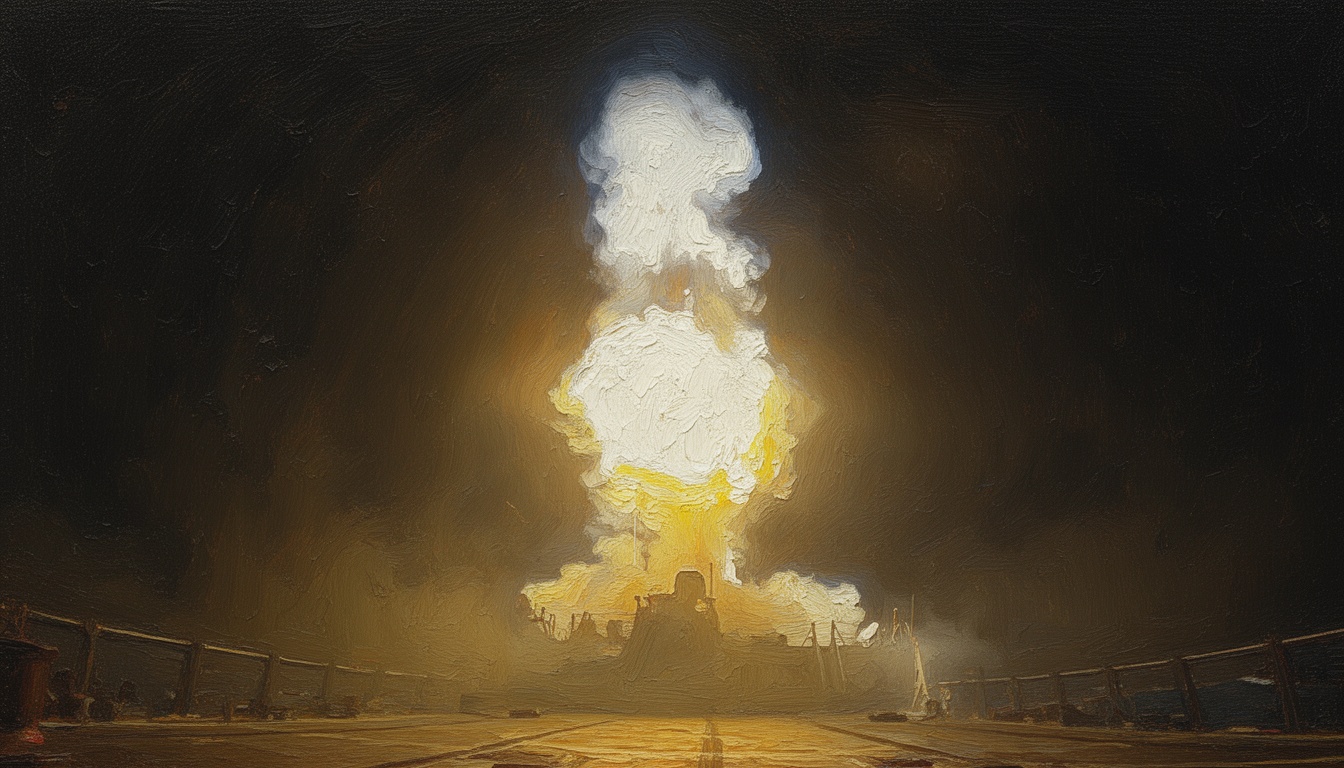
US Central Command Conducts Third Round of Strikes on Iran
US Central Command has carried out a third phase of military strikes against targets in Iran, significantly escalating tensions in the region. These actions may reshape the strategic landscape between the US and Iran.
US Central Command (CENTCOM) has completed its third round of strikes against targets in Iran. This latest operation represents a significant escalation in military engagement in the region, following two previous rounds of airstrikes. The specific locations targeted and the assets engaged remain undisclosed, but these strikes are part of an ongoing campaign aimed at deterring Iranian influence and activities in the Middle East.
Background context reveals that tensions between the United States and Iran have been mounting over the past few years, exacerbated by various geopolitical events, including Iran's nuclear program and its support for armed groups in the region. The US has maintained a military presence intended to counter threats posed by Iran, and these strikes signify a persistent commitment to this strategy amidst an increasingly volatile environment.
Strategically, these military actions by the US are likely to attract mixed reactions from the international community and may provoke further retaliation from Iran. Analysts suggest that the continued strikes could lead to a broader military conflict, intensifying the geopolitical standoff and impacting global oil supplies.
In operational terms, details on the types of weaponry employed during the strikes remain classified. The US military’s emphasis on precision strikes indicates advanced targeting capabilities aimed at minimizing collateral damage. This third round of strikes appears designed to maintain a clear message of deterrence while assessing Iran’s response to continued military pressure.
Moving forward, the implications of these strikes may redefine the US-Iran dynamic. Increased military operations could either push Iran to recalibrate its own military strategy or provoke a more robust response, leading to an unpredictable escalation in the region. Analysts predict that these developments will require careful monitoring as the situation continues to evolve.