US-China Relations Shift, Impact on Asia-Pacific Strategy
A less confrontational US-China relationship could reshape the Asia-Pacific landscape, affecting military dynamics and regional alliances.
The recent summit between Chinese President Xi Jinping and former US President Donald Trump marked a significant turning point in US-China relations. Analysts are scrutinizing the potential structural changes and implications arising from a less aggressive stance by the United States toward China. This shift suggests a possible realignment of diplomatic and military strategies in the Asia-Pacific region, with reverberations felt across various national defense policies.
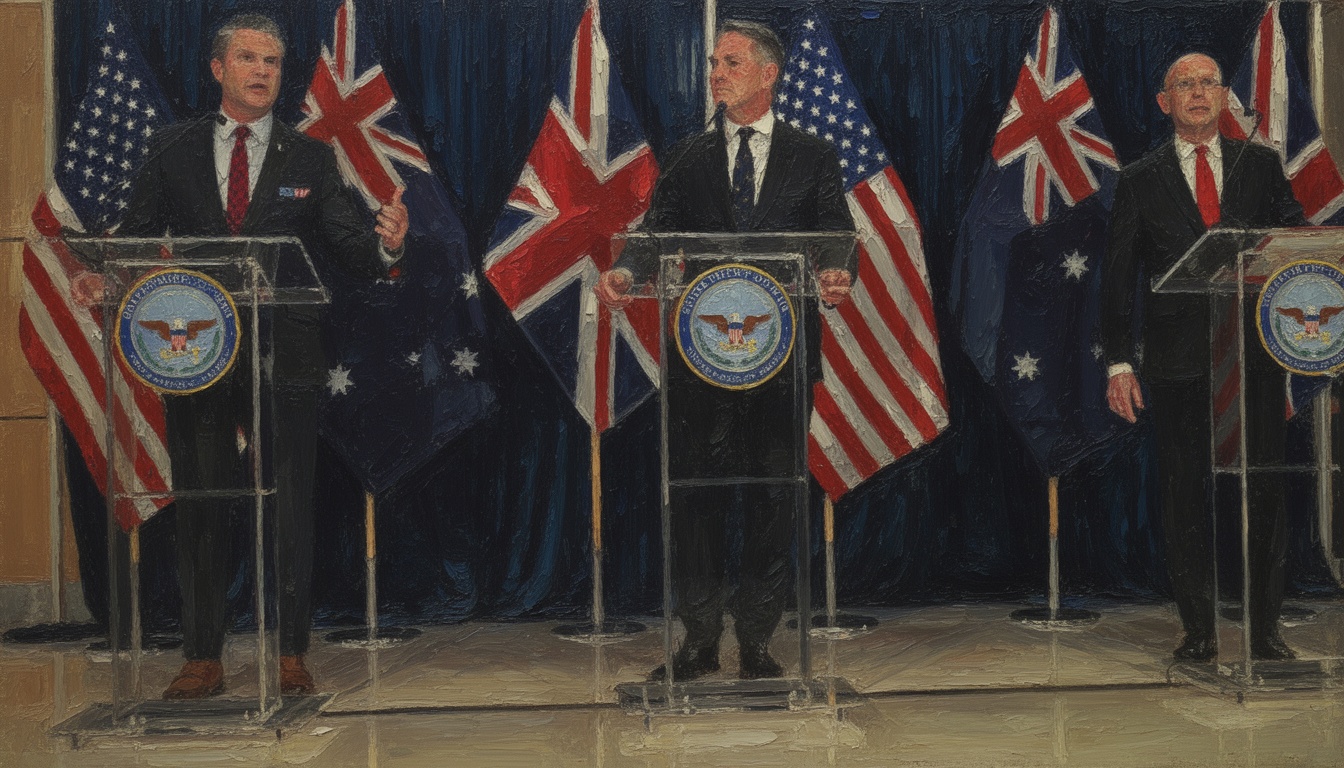
In late May, US Secretary of State Marco Rubio visited India, while US Secretary of Defense Peter Hegseth traveled to Singapore. These visits are seen as critical in reinforcing US alliances in Asia, amidst the evolving geopolitical landscape. Both Rubio and Hegseth's attendance during Trump's prior trip to Beijing underscores the importance of maintaining dialogue and engagement with regional partners.
The terminology used by US officials has notably shifted in recent discussions, moving away from the 'Indo-Pacific' label, which indicates a broader geographic focus encompassing both India and the Pacific regions. This change may reflect a tactical adjustment in US diplomatic language, signaling a potential reset in how the US views its strategic interests in the Asia-Pacific. It is crucial to assess how this nuanced terminology influences regional perceptions and alliances moving forward.
Strategically, the transition in US-China relations could significantly impact military capabilities and operational postures of both nations. With reduced tensions, military spending patterns could shift, potentially favoring collaborative security initiatives and joint exercises. However, the incremental changes may also introduce uncertainty for regional powers, as they navigate their own defense policies in response to shifting US-China dynamics.
Ultimately, the implications of a less confrontational US-China relationship will unfold over time, with a possible recalibration of diplomatic ties and military strategies in the Asia-Pacific. Observers will need to monitor how this developing situation affects regional stability and the balance of power amid competing interests.