US-China Trade War Causes Protests in India
India's farmers protest against potential US trade deal amid backlash for PM Modi. The conflict impacts agricultural exports and strategic alignments.
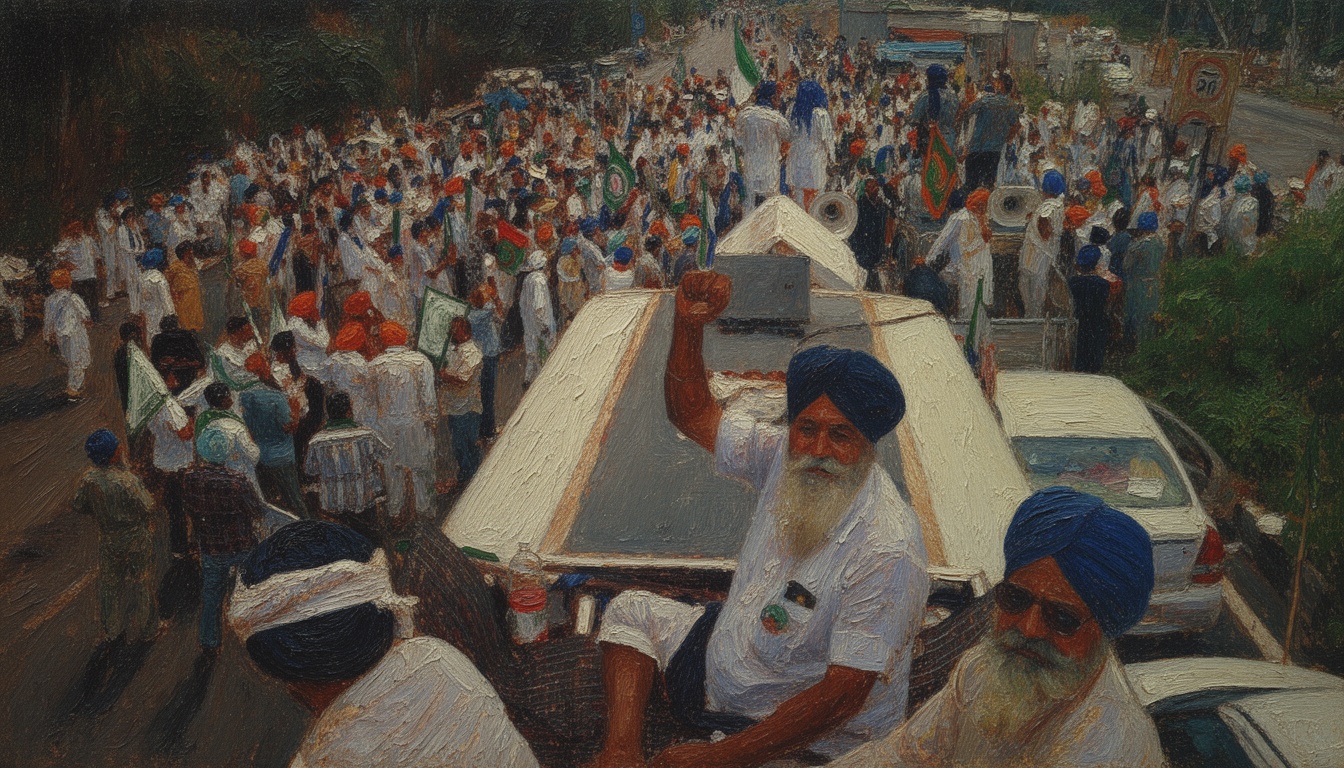
The ongoing US-China trade war has ignited protests in India as farmers express discontent over Prime Minister Narendra Modi's potential trade deal with the United States. On Tuesday, thousands of farmers from Punjab marched towards New Delhi, voicing their opposition to what they perceive as a risky alignment with Washington amidst rising tensions with Beijing. These demonstrations reflect mounting domestic concerns about placing India in the center of US efforts to reallocate agricultural exports affected by the trade conflict.
The backdrop of this unrest stems from a broader discontent in India regarding its foreign policy and agricultural stability. The farmers argue that any deal catering to US interests could undermine local market dynamics and their livelihoods. The Modi administration's calculated engagement with the US has raised eyebrows, as it could shift India's long-standing position in the region and its relations with China, India’s neighbor and major trading partner.
Strategically, aligning with the US in the trade domain presents both opportunities and risks for India. On the one hand, it could bolster economic ties and provide support against Chinese influence, but on the other hand, it risks alienating a significant economic partner. Observers believe that India's decision to engage with Washington in agriculture could be perceived as provocative by Beijing, potentially exacerbating regional tensions.
Operationally, the farmers' protest could lead to significant disruptions, as agricultural policy becomes entangled with international trade relations. The economic implications of such a deal are substantial, especially given the size of India's agricultural sector, which employs a vast portion of the population. Modi's government faces the challenge of balancing international commitments while addressing the domestic front to maintain stability.
The likely consequences of this unrest may include a more cautious approach from Modi in foreign policy, especially regarding trade negotiations with the US. This could also reshape India’s agricultural policies and alliances while potentially leading to increased tensions with China as the geopolitical landscape evolves. The outcome of these developments will require close monitoring, as they could significantly impact India’s economic trajectory and international relations.