US Conducts Strikes After Iran's Hormuz Strait Attacks
The recent US air strikes in the Strait of Hormuz mark a significant escalation in regional tensions. This military action is a response to Iranian threats to maritime shipping lanes.
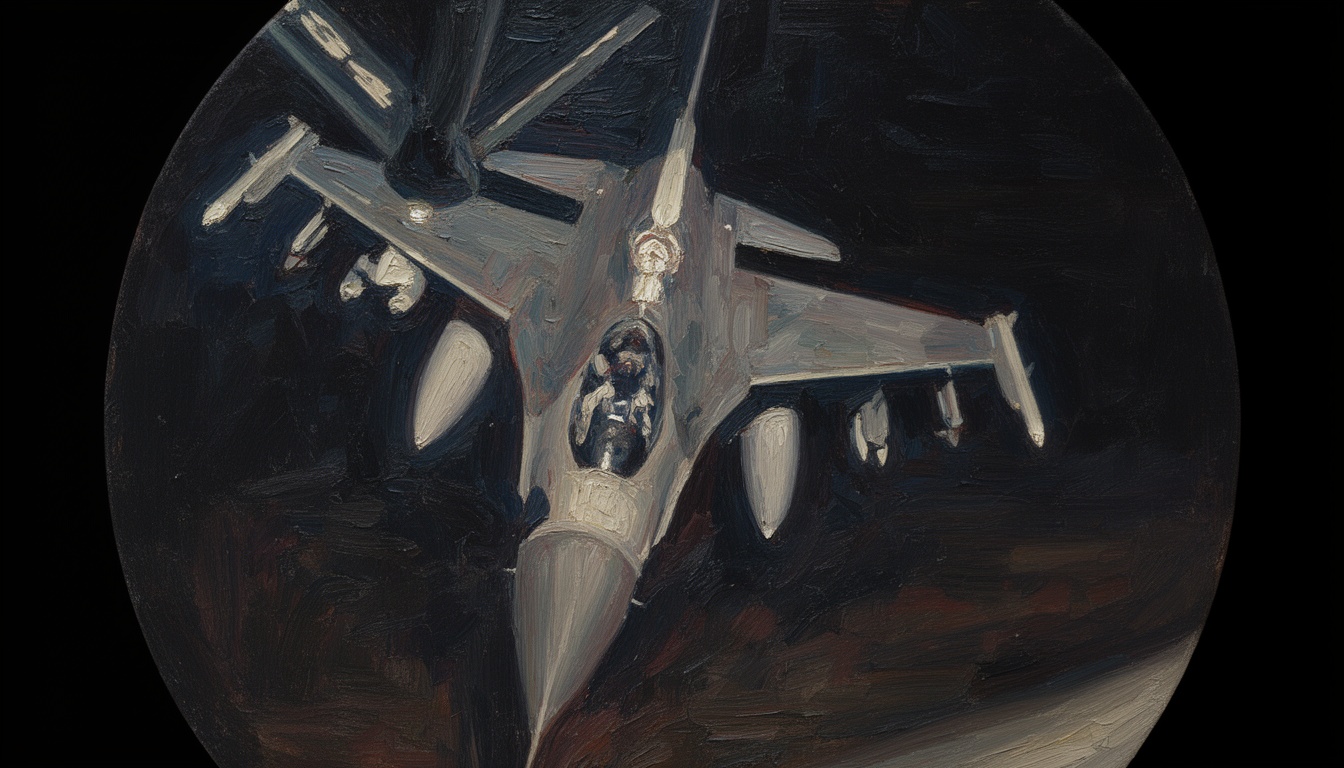
On Wednesday, the United States executed a new series of air strikes targeting Iranian positions. This military action occurred shortly after President Donald Trump declared that the Iranian attacks on vessels in the Strait of Hormuz effectively ended the ceasefire agreement. According to military officials, these operations are designed to further degrade Iran's operational capabilities and reduce its capacity to threaten freedom of navigation in this vital waterway.
Tensions in the Strait of Hormuz have reached a boiling point, with Iran's military activities prompting heightened concerns among major powers regarding the safety of maritime operations. This area is crucial, as it handles approximately 20% of the world's oil supply. The United States has emphasized that it is prepared to take further actions if Iranian provocations continue, signaling a willingness to maintain aggressive postures to safeguard shipping routes.
The military specifics of the strikes have not been fully disclosed, but it is known that precision-guided munitions were utilized to minimize collateral damage and ensure effective targeting. This operation aligns with the Pentagon's strategy to deter Iran's influence in the region while reassuring allies of the US’s commitment to regional security.
The consequences of these strikes may lead to a further decline in US-Iran relations, with Iran likely to respond through asymmetric warfare tactics in the region. Maritime security in the Strait of Hormuz could become increasingly contested, potentially impacting global oil prices and prompting military coalitions among Western and Gulf nations.
In the coming weeks, the international community will be closely monitoring Iran's reaction to these developments. Escalations in military confrontations pose risks of unintended engagements, which could spiral into wider conflicts that disrupt not only regional but also global stability.