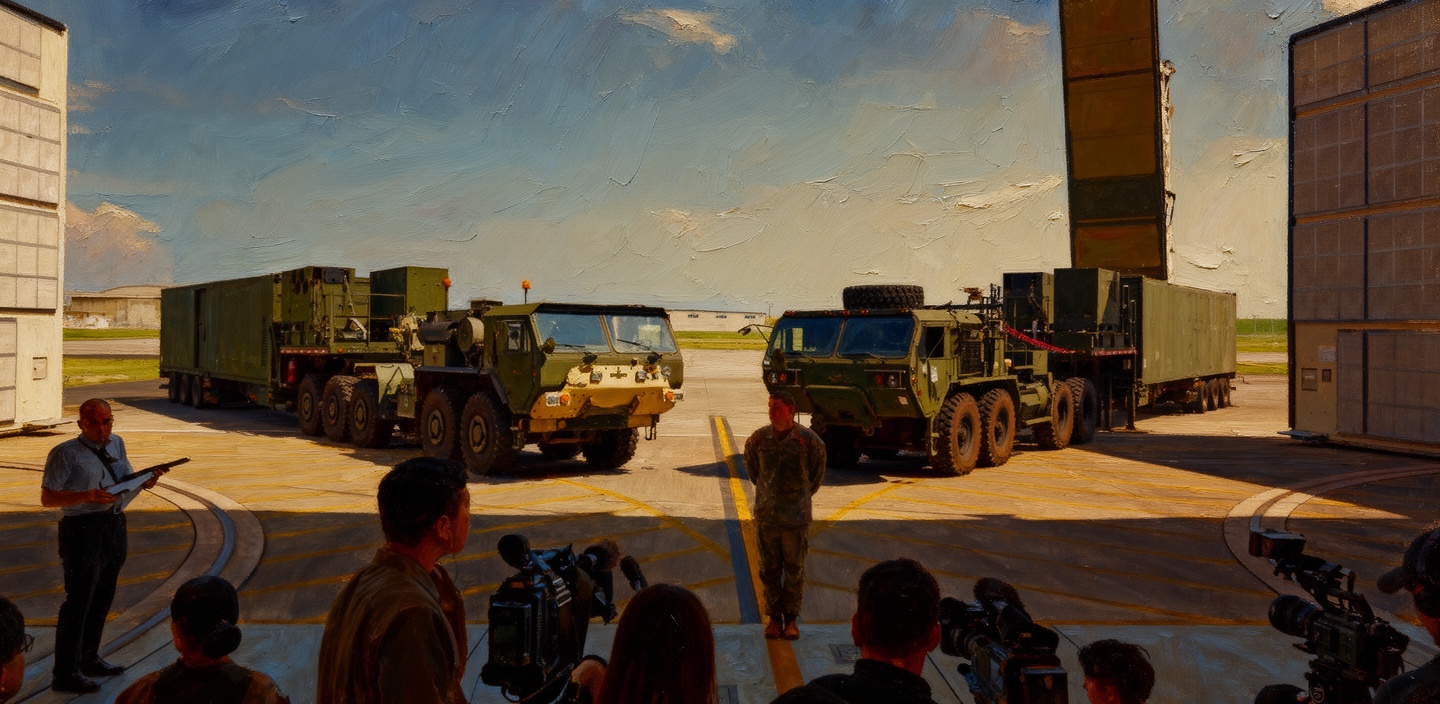
US Deploys Midrange Missiles in Japan for Joint Exercises
The United States has begun deploying midrange missile systems in Japan as part of ongoing joint military exercises. This move significantly enhances regional deterrence capabilities against potential threats.
The United States has announced the deployment of midrange missile systems in Japan for joint military drills with the Japan Self-Defense Forces (JSDF). This operational decision highlights a strategic effort to bolster defense measures in the Indo-Pacific region, amidst rising tensions with North Korea and increased military activities from China. The missiles are set to be fielded before the end of the year, marking a notable escalation in U.S.-Japan defense cooperation.
Historically, U.S. military operations in Japan have primarily focused on collaborative training and readiness against regional threats. However, the introduction of midrange missile systems indicates a significant shift towards a more proactive defense posture. The JSDF has increasingly integrated advanced missile defense systems, reflecting a broader strategy to secure Japan’s national security interests.
Strategically, this development serves multiple purposes. It enhances the deterrence framework against North Korean missile capabilities while addressing concerns regarding China's assertive maritime actions in the East China Sea. The presence of U.S. midrange missiles could act as a stabilizing factor in the region by signaling a unified deterrent posture among allies.
Operationally, the specific type of midrange missile system deployed has not been disclosed; however, the U.S. has previously fielded systems such as the Ground-Launched Cruise Missile (GLCM) and the Precision Strike Missile (PrSM). By reinforcing capabilities in Japan, the U.S. demonstrates its commitment to the mutual defense agreement and improves response times to potential threats.
The likely consequences include heightened regional tensions, particularly with North Korea, which may view this as a provocation. Additionally, China may react by increasing its military presence in contested areas, further complicating the security landscape in the Indo-Pacific. In the longer term, this deployment could lead to more significant military partnerships among U.S. allies in the region to counterbalance growing threats.