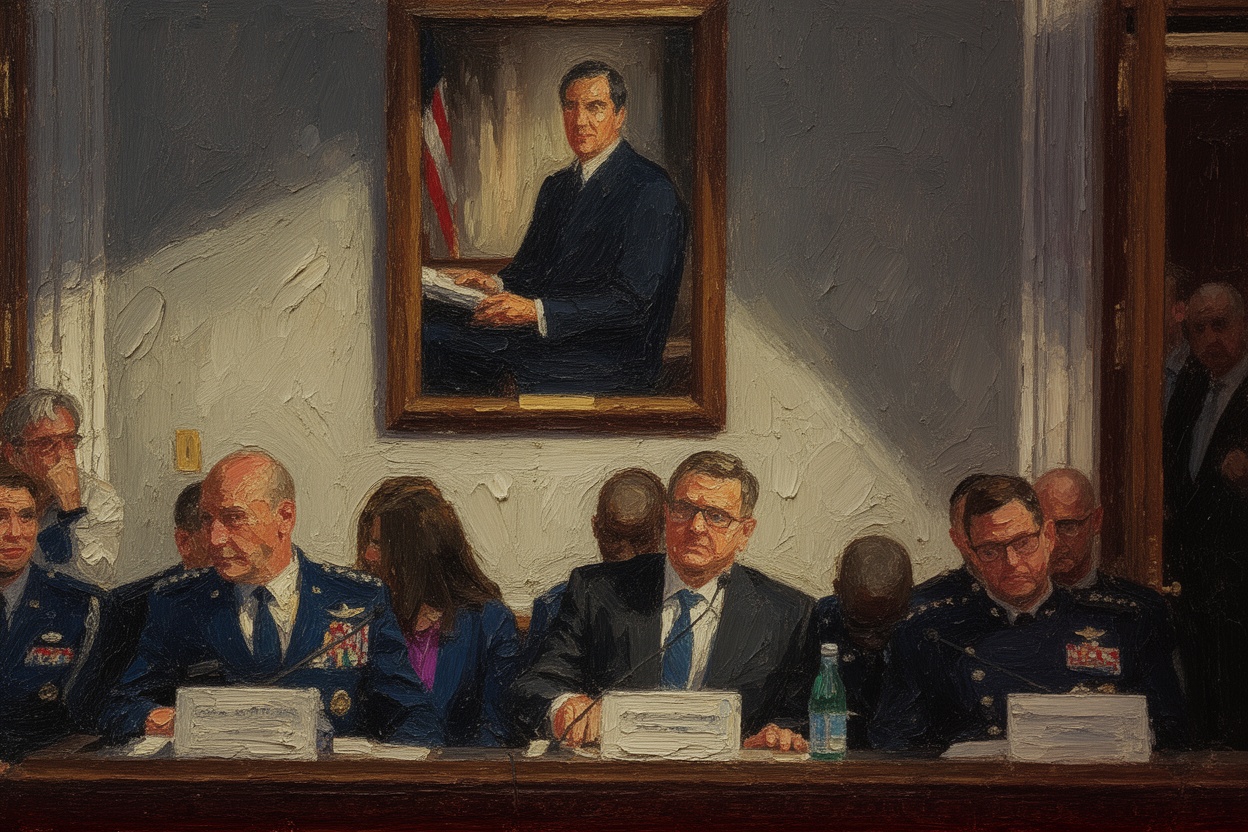
US House Appropriations Committee Approves Defense Spending Bill
The bill features cuts to the Air Force's flying hours and various programs, while increasing funding for others. These budget changes will influence overall readiness and modernization efforts.
The US House Appropriations Committee has approved a spending bill that significantly impacts Air Force funding. This legislation outlines cuts to specific programs, including reductions in flying hours for Air Force operations. Conversely, there are increases in funding for other defense initiatives, marking a shift in priority among military assets.
Background context indicates that budgetary constraints have prompted the committee to reassess funding allocations within the Defense Department. The focus appears to be shifting from traditional flying capabilities toward modernization projects that align with emerging threats. As global security dynamics evolve, these decisions reflect a strategic reallocation of resources.
Strategically, the cuts to flying hours may impair operational readiness for the Air Force, affecting its capacity to conduct training and air missions effectively. This reduction poses a risk to overall force readiness, potentially complicating the US response capabilities in future conflicts. Simultaneously, increased funding for certain programs could enhance technological advancements and bolster deterrence measures.
Operationally, the exact figures of cuts and increases have not been disclosed, but they underscore the need for the Air Force to balance current capabilities against future demands. Enhanced investments might be directed toward key systems such as the F-35 Lightning II or advanced unmanned aerial vehicles, which are critical for modern warfare.
In conclusion, these spending decisions by the House Appropriations Committee reflect broader trends in defense policy and resource allocation. Future assessments will be crucial to ensure the Air Force maintains its operational edge amid changing military requirements. The implications of these budgetary shifts will likely reverberate across defense strategies and operational plans moving forward.