US-Iran Ceasefire Agreement Announced; Hormuz Strait Reopening
The announced ceasefire deal between the US and Iran could have significant repercussions in the Gulf region. The reopening of the Strait of Hormuz is vital for global oil shipments.
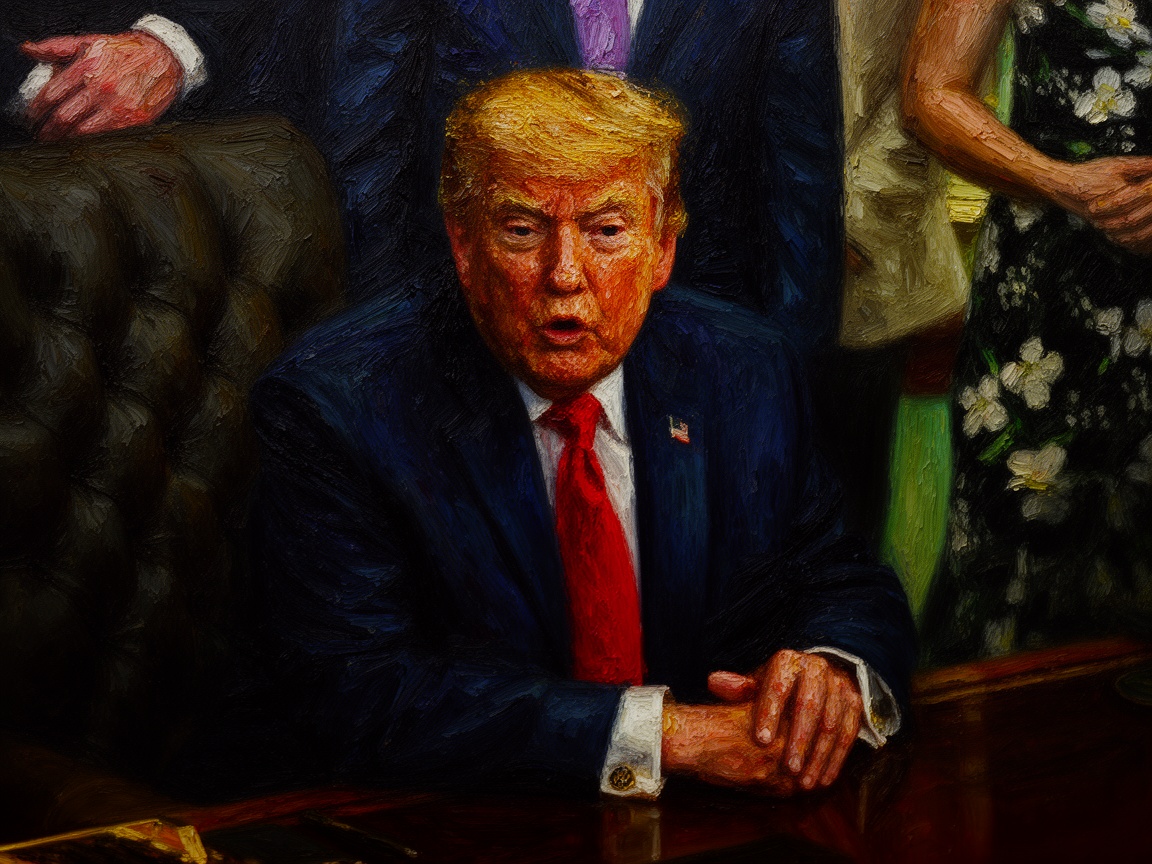
On Tuesday, US President Donald Trump announced a ceasefire agreement with Iran, marking a potential de-escalation of tensions that have plagued the region. The deal reportedly includes the reopening of the strategic Strait of Hormuz, which has been a focal point of military confrontations in recent months.
The Strait of Hormuz serves as a critical maritime chokepoint for approximately 20% of the world's oil trade, making any security developments in the area of utmost importance. Since the escalation of hostilities between the US and Iran, shipping routes in the Strait have been under threat, with tanker attacks reported and military presence increased by both sides.
This development may alter the strategic calculations of other regional players, including Saudi Arabia and the United Arab Emirates, who rely heavily on the Strait for their export-driven economies. A secure and free passage through the Strait will enable these nations to maintain their production levels and avoid disruptions in oil supply to global markets.
Operationally, the US has previously deployed naval assets to the region, including aircraft carriers and destroyers, to deter further aggression. With the announced ceasefire, further deployments could be reduced, focusing instead on securing economic shipping lanes in the Strait.
In terms of future implications, the successful implementation of the ceasefire could pave the way for diplomatic talks between the US and Iran. However, skepticism remains regarding the durability of such agreements, as historical precedents indicate potential for quick reversals in hostilities if provocations occur on either side.