US-Iran Ceasefire Faces Critical Breakdown Amid Rising Tensions
The ceasefire between the U.S. and Iran is at a critical juncture following renewed hostilities. Both President Donald Trump and Iranian officials have declared the ceasefire effectively over.
The fragile ceasefire between the United States and Iran has deteriorated, with President Donald Trump and Iranian officials stating that hostilities have resumed. This escalation follows a recent spike in fighting that has heightened tensions in the region. The breakdown of the ceasefire signals a precarious moment for diplomatic efforts aimed at reducing conflict between the two nations.
Historically, U.S.-Iran relations have been marked by volatility, particularly since the U.S. withdrawal from the Joint Comprehensive Plan of Action in 2018, which led to escalating confrontations. The cessation of hostilities was seen as a temporary respite amid ongoing concerns regarding Iran's nuclear program and its regional activities. However, the latest developments suggest that both sides may now be reevaluating their approach to conflict and diplomacy.
Strategically, the renewal of hostilities raises significant concerns for stability in the Middle East, affecting U.S. interests and allies in the region. Military posturing by both countries could lead to a heightened risk of direct engagement and further military escalation. The global community is closely monitoring the situation as U.S. forces and Iranian military units remain on high alert.
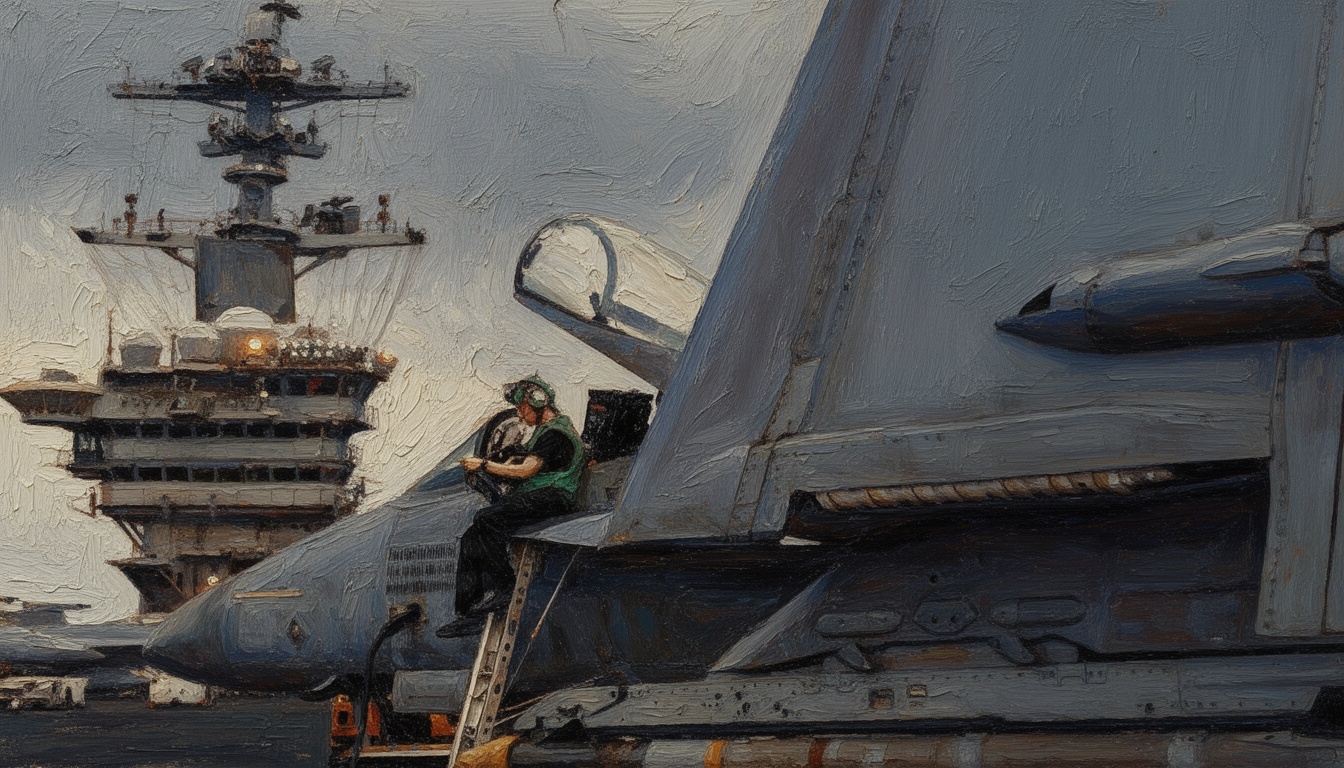
Tactically, this situation's complexity is compounded by the increased deployment of U.S. naval assets in the Persian Gulf and the bolstering of Iranian military readiness. Reports indicate that Iran may have resumed missile testing programs, complicating the security environment. U.S. defense officials underscore the need for adaptive strategies to counter potential threats stemming from Iran's enhanced military capabilities.
The consequences of a fully renewed conflict could be dire, both regionally and globally. Analysts warn that a failure to stabilize the situation may result in long-term warfare, higher oil prices, and a potential humanitarian crisis. Furthermore, diplomatic pathways might be irrevocably damaged, making future negotiations increasingly difficult.