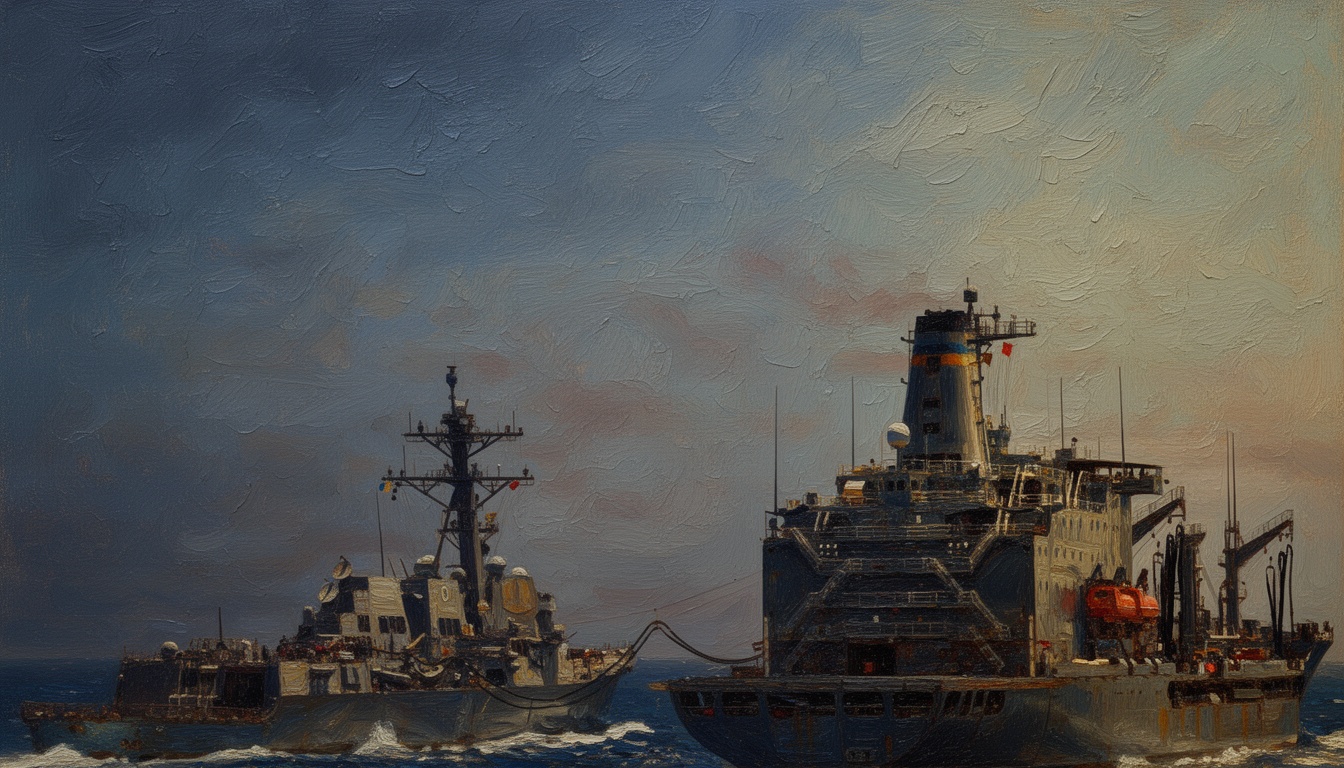
US-Iran Conflict Escalates Amid Stalemate in Ceasefire Efforts
The US and Iran are still far from resolving their conflict, as tensions spiked in the Gulf. Recent clashes have signaled a significant rise in hostility despite ongoing ceasefire attempts.
The ongoing conflict between the United States and Iran shows no signs of resolution, as both sides exchanged fire in the Gulf on Saturday, highlighting the fragility of a ceasefire in place for a month. The intensification of clashes represents the most significant escalation in the Strait of Hormuz since the ceasefire began, raising alarms among international observers.
Recent days have witnessed some of the fiercest confrontations seen in the region, with the United Arab Emirates facing renewed attacks on Friday, underscoring the broader implications of the conflict. The strategic Strait of Hormuz, a critical passage for oil shipments, has been a focal point of tensions, with both parties poised for potential escalations.
Analysts suggest that Tehran is likely capable of enduring a naval blockade for several months, allowing for the possibility of sustained military engagement. This assessment by US intelligence indicates that Iran may have calculated its operational endurance, potentially extending the conflict indefinitely.
The situation remains precarious, as the United States continues to demand a response from Tehran regarding various diplomatic overtures. The lack of progress further complicates the already tense atmosphere, fostering an environment ripe for miscalculation that could have severe consequences.
As both nations remain entrenched in their positions, international actors closely monitor developments, seeking avenues to avert a larger confrontation in the Gulf. Without meaningful dialogue, the threat of a larger conflict looms ever larger, with implications for global security and energy markets.