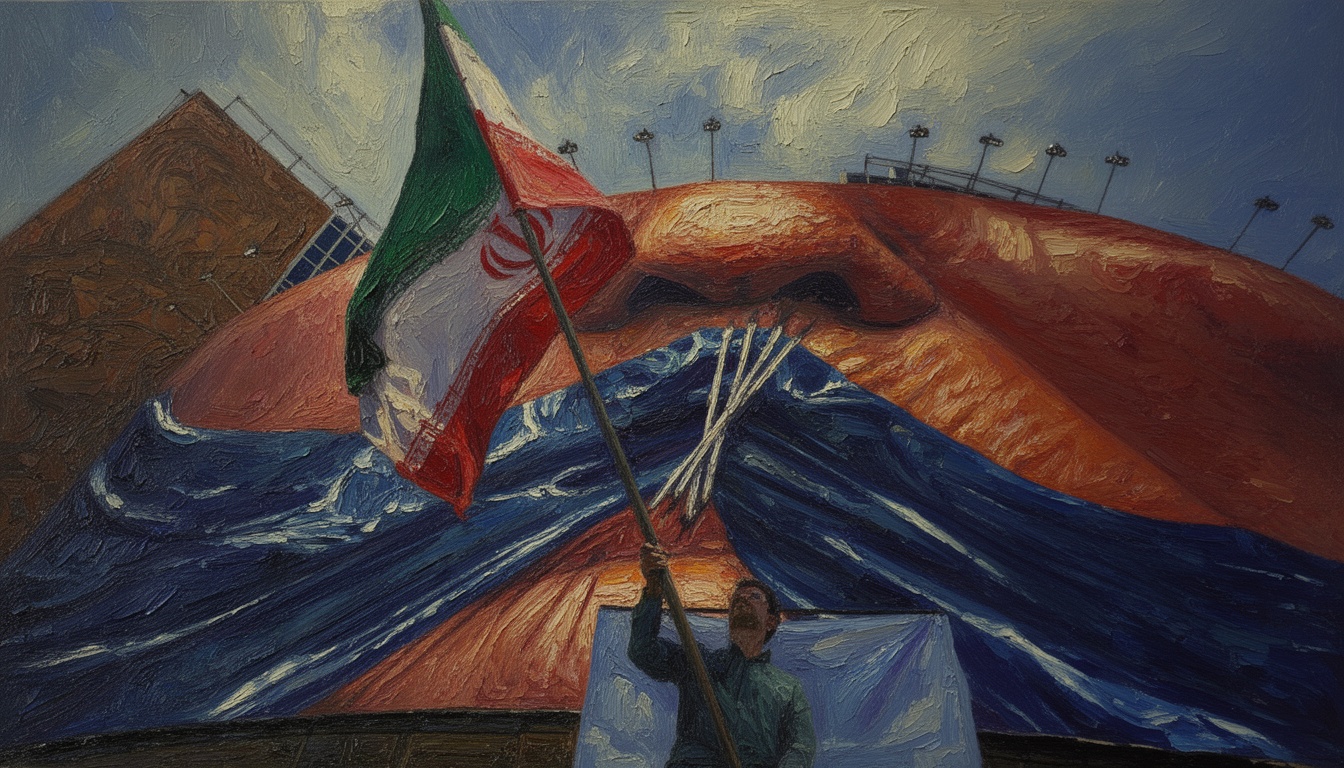
US-Iran Negotiations Lift Asian Stock Markets
Recent talks between the US and Iran show potential for peace, impacting global markets. Optimism about reopening the Strait of Hormuz highlights regional geopolitical dynamics.
Positive developments in US-Iran relations have led to a significant boost in Asian stock markets. During a press briefing in the Oval Office on Wednesday, US President Donald Trump stated that the ongoing conflict in the Middle East might conclude swiftly, as Iran contemplates a peace proposal aimed at reopening the critical Strait of Hormuz.
Trump emphasized the potential for a breakthrough, citing productive discussions over the past 24 hours. His assertion that negotiations could lead to a deal represents a marked shift in tone regarding the long-standing tensions between Washington and Tehran. Since the onset of hostilities on February 28, Trump has been vocal about the possibility of diplomatic resolution despite ongoing military confrontations.
The strategic importance of the Strait of Hormuz cannot be understated, as it is a vital passage for a substantial portion of the world’s oil supply. Any agreement that allows for the reopening of this chokepoint would have wide-ranging implications not only for oil prices but also for global security and economic stability.
From a technical perspective, the reopening of the Strait would likely lead to increased shipping traffic and restore confidence among traders and energy markets. Traditionally, the Strait handles approximately 20% of the global oil supply, making its security paramount for international economic health. The implications of a restored peace and enhanced trade in the region could bolster not only Asian markets but also global indices.
The potential for resolution in US-Iran relations signals shifting geopolitical dynamics, particularly in a post-conflict landscape. If a peace deal is indeed forged, it could alter the operational landscape for US forces in the region and reshape alliances, affecting not only Iran and the US but other stakeholders deeply invested in Middle Eastern affairs.