US-Iran Talks in Switzerland Delayed Amid Ongoing Tensions
The delay in US-Iran talks could affect regional stability and diplomatic relations. The situation emphasizes the complexities of negotiations between major powers.
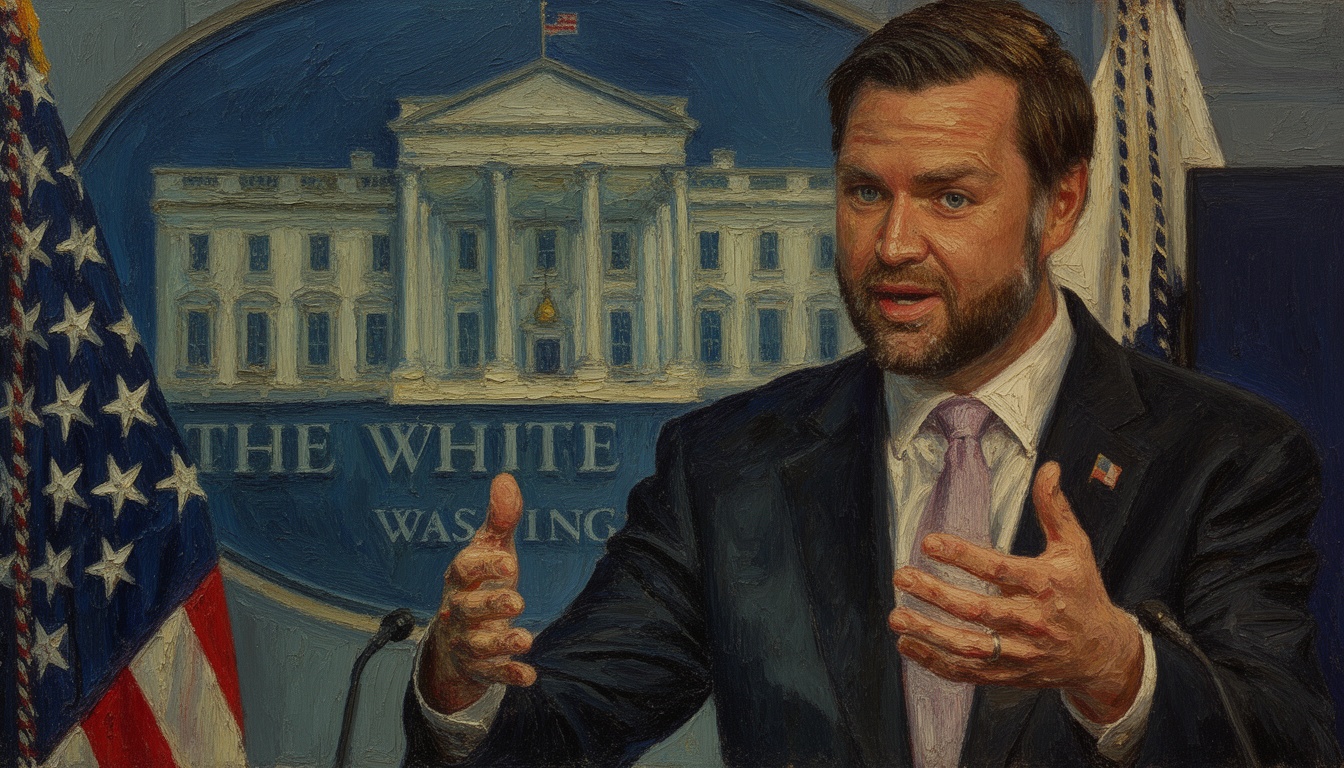
Plans for US Vice President J.D. Vance's travel to Switzerland for a new round of talks with Iran have been delayed, as confirmed by the White House on Thursday. The delay highlights ongoing challenges in reaching an agreement between the two nations amid heightened tensions.
Background suggests that these talks are crucial given the history of contentious relations between the US and Iran, particularly concerning nuclear policy and regional security. The White House stated that arrangements for the “technical talks” have not yet been finalized, which illustrates the precariousness of Middle Eastern diplomacy.
Strategically, the delay in talks may have significant implications for regional stability. The prolonged negotiations reflect the difficulties in reconciling differing perspectives on key issues like nuclear capabilities and sanctions. As these principal actors maneuver, the risk of miscalculation remains high, potentially exacerbating tensions.
Technically, the negotiations involve multiple actors and require extensive coordination. The White House acknowledged that “the logistics of these negotiations have never been simple or predictable,” signaling the complexity of achieving a diplomatic breakthrough. The preparedness of the US delegation to leave at a moment's notice underscores the urgency perceived by top officials.
As the situation develops, the implications of this delay remain uncertain. The ongoing tensions between the US and Iran could further complicate future engagements. Analysts predict that without progress on diplomatic fronts, the risk of escalated conflict remains significantly high.