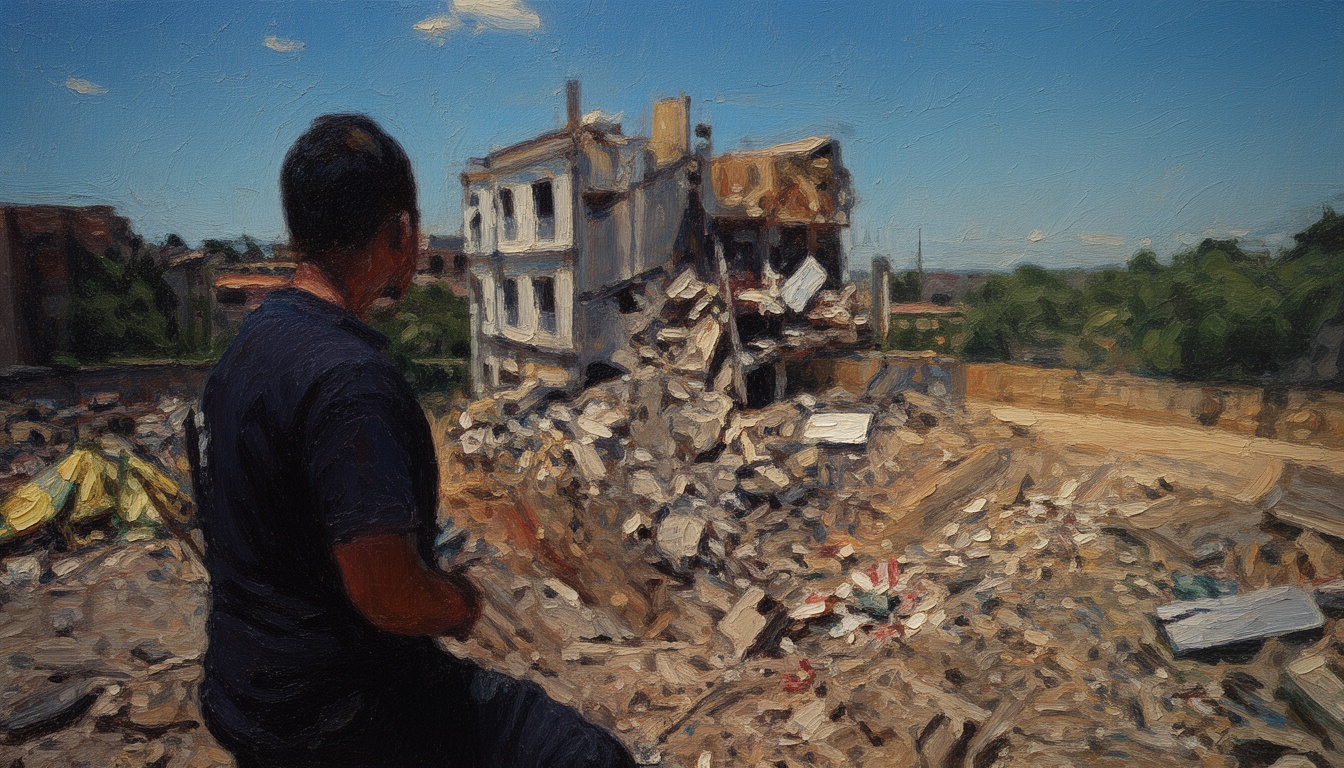
US-Iran Truce Questions Deepen Amid Ongoing Lebanon Tensions
The US-Iran truce raises doubts about the future of Hezbollah-Israel conflict. Lebanese citizens express skepticism about lasting peace.
A recent truce mediated by the United States and Iran has prompted skepticism in Lebanon regarding its potential impact on the ongoing conflict between Israel and Hezbollah. Many Lebanese are questioning whether this agreement can truly lead to a cessation of hostilities or if it merely represents a temporary pause in an escalating situation.
Lebanon has experienced decades of tension and violence, particularly due to the confrontations involving Hezbollah and Israel. The ceasefire agreement, while touted as a significant diplomatic achievement, has not alleviated fears among the Lebanese population. They express concerns that if Hezbollah sees its strategic interests threatened, it could resume hostilities against Israel, undermining any perceived stability.
Strategically, the implications of the truce are complex. The US aims to curb Iran's influence in the region, and an agreement between two such powerful nations could shift the balance of power significantly. However, Iran’s support of Hezbollah complicates this dynamic, leaving many to question who truly benefits from the cessation of hostilities.
Hezbollah remains heavily armed and operational, boasting advanced weaponry and a large contingency of troops. The group's arsenal, including precision-guided missiles, poses a continuing threat to Israel. The potential for renewed conflict looms over the fragile peace as the Lebanese government struggles to assert control and maintain stability.
In the coming weeks, the outcome of this truce will be closely monitored. The international community is watching how this agreement will affect the regional power dynamics and whether it will lead to a more permanent resolution or a resurgence of violence. The situation remains volatile, with many Lebanese still fearful of the fallout from any shift in the current balance of power.