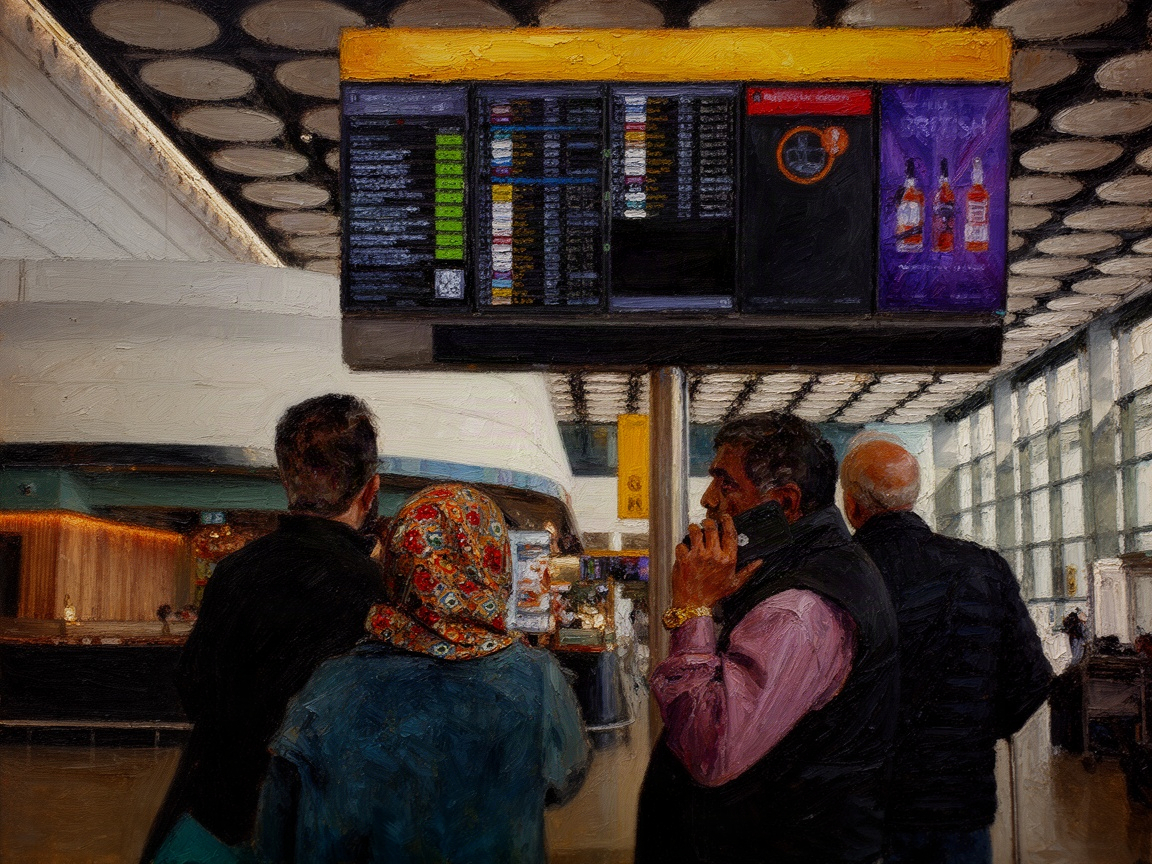
US-Israel Conflict with Iran Disrupts European Travel Plans
The ongoing conflict involving the US, Israel, and Iran has significant implications for European tourism. Travelers are altering their plans, impacting holiday economies across Europe.
The military tensions between the US, Israel, and Iran are leading to notable shifts in travel patterns across Europe. As the situation escalates, many holidaymakers are opting to remain closer to home amidst concerns for safety and stability in regions heavily influenced by the conflict.
Tourism operators are responding to these changes with adjustments to their offerings and marketing strategies. Destinations initially popular for summer holidays are seeing declines in bookings, while domestic travel options are becoming increasingly favored. This response reflects broader economic concerns as the conflict impacts international perceptions of safety.
Strategically, the conflict carries overarching ramifications for European nations, which rely on tourism as a key economic driver. The increased focus on home-based holidays could shift economic dynamics, particularly in countries that previously benefited from an influx of international visitors.
Local markets have started to adapt by emphasizing unique domestic attractions and incentives to lure travelers who would otherwise venture abroad. Travel agencies are also promoting alternative vacation packages that emphasize safety without sacrificing experience, aiming to mitigate the financial impacts of the conflict.
As the situation unfolds, it remains to be seen how extended tensions will affect Europe’s broader tourism landscape. The reliance on local versus international travel could lead to long-term changes in how tourism develops within the continent, as stakeholders adapt to a new reality shaped by conflict and insecurity.