US, Japan, Philippines Conduct Joint Military Exercises in the Face of China
Major military exercise highlights regional defense cooperation amid mounting tensions with China. The Balikatan 2026 maneuvers demonstrate advanced missile capabilities by the US and Japan.
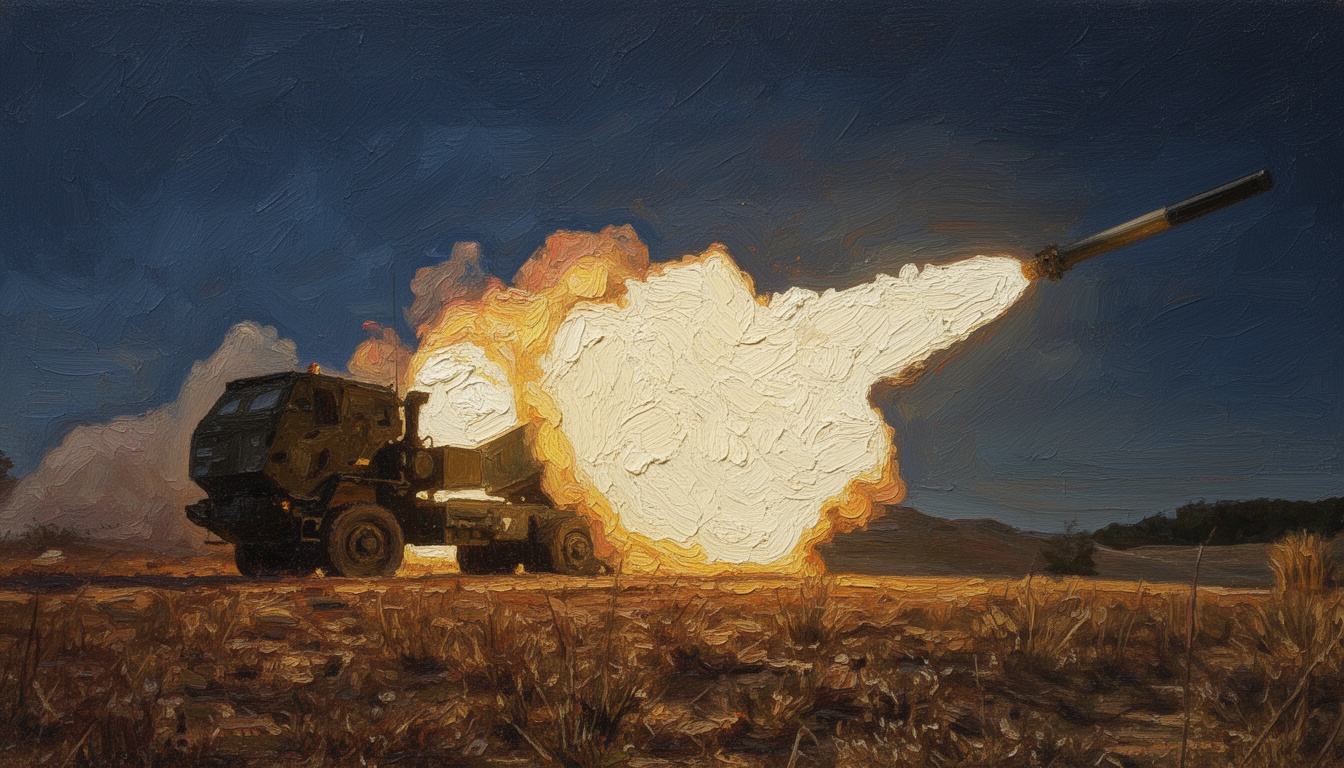
In an impressive demonstration of military collaboration, US, Japanese, and Filipino forces concluded the Balikatan 2026 exercises with significant missile launches aimed at decommissioned naval targets. The highlight of the event was Japan's Type 88 missile system, which successfully struck a former Philippine warship just 75 kilometers off the coast of Ilocos Norte within six minutes. Simultaneously, the US-launched Tomahawk missiles, fired from a position approximately 630 kilometers away, showcased the long-range strike capability of the US military.
The Balikatan exercises, which translate to 'shoulder-to-shoulder' in Filipino, are an annual event aimed at enhancing interoperability and readiness among allied forces. This year's drills involved live-fire exercises, emphasizing the strategic importance of rapid response capabilities in a regional landscape increasingly dominated by rising tensions with China. Analysts suggest that the timing and execution of these maneuvers were deliberately structured to convey a unified defense stance among allied nations.
Strategically, these exercises are crucial in reinforcing the defense partnerships within the region while signaling a strong deterrent message to potentially aggressive actions from China in the South China Sea and surrounding areas. The collaborative efforts between Japan and the US, particularly in the face of increased military activity from China, are seen as significant moves towards maintaining regional stability.
Japan’s Type 88 missile is renowned for its precision and speed, positioning the Japan Self-Defense Forces as an increasingly capable military partner in the face of evolving security challenges. Similarly, the Tomahawk, a long-range cruise missile, continues to be a cornerstone of US military capabilities, providing flexibility and precision in strike operations. Together, these systems underscore a formidable defense posture amongst allies.
The successful execution of Balikatan 2026 is likely to have lasting impacts on regional defense relations, with participants expected to strengthen their collaboration in response to China's aggressive posture. Moving forward, such exercises may become a regular feature of military planning, further integrating operational strategies among the US, Japan, and the Philippines to address emerging threats.