US Marine Corps Tests Video Game for Training Enhancement
The U.S. Marine Corps is utilizing video games to refine cognitive skills and decision-making in high-pressure scenarios. This innovative approach may influence future military training methods.
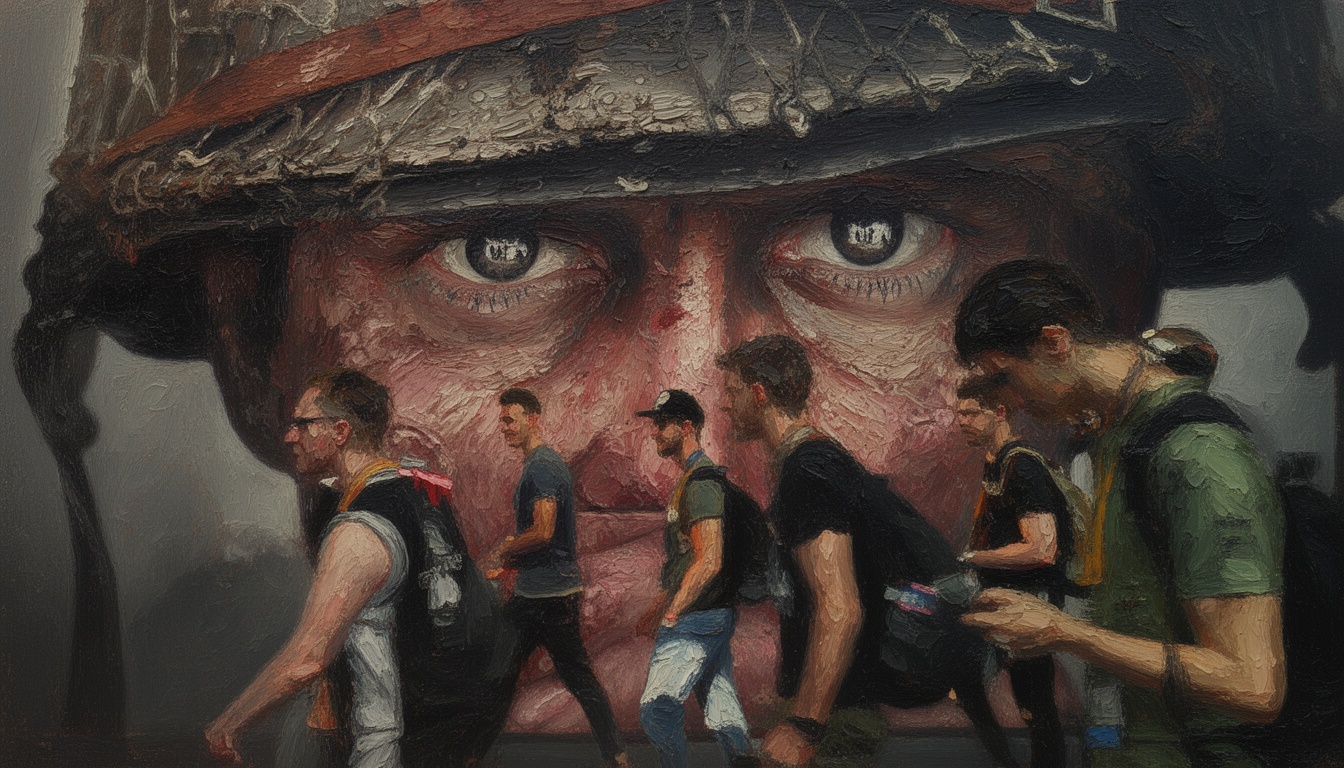
The U.S. Marine Corps is embarking on an unconventional experiment by integrating the popular video game, Call of Duty, into its training regimen. Marine Corps University has initiated this pilot program with the intention of enhancing cognitive performance among recruits and improving their decision-making abilities under stress. By leveraging a familiar and engaging platform, the military aims to adapt training methodologies to meet modern challenges faced in combat environments.
This initiative comes amid growing recognition of the importance of mental acuity in military operations. As conflicts evolve and become more complex, the ability to make quick, informed decisions is critical for combat effectiveness. The Marine Corps believes that immersive training using video games can mimic real-world scenarios, allowing Marines to practice reactions and strategies in a risk-free environment.
Strategically, this shift to video game-based training may reflect a broader trend in military education, where technology plays an increasingly pivotal role. Combining traditional training methods with modern digital tools could enhance the agility and readiness of U.S. forces. Military leaders have expressed interest in exploring how gaming can revolutionize training protocols and foster better-prepared personnel.
The Marine Corps University is not the first military institution to explore this approach. Other branches of the military have also experimented with simulations and games as tools for training and evaluation. However, Call of Duty offers unique dynamics due to its popularity and realistic combat scenarios, making it a compelling choice for the Marine Corps.
As this pilot project unfolds, the results will likely influence future military training strategies. If successful, this could pave the way for broader adaptation of video games in defense education, potentially improving the overall preparedness and effectiveness of U.S. forces in various operational theaters.