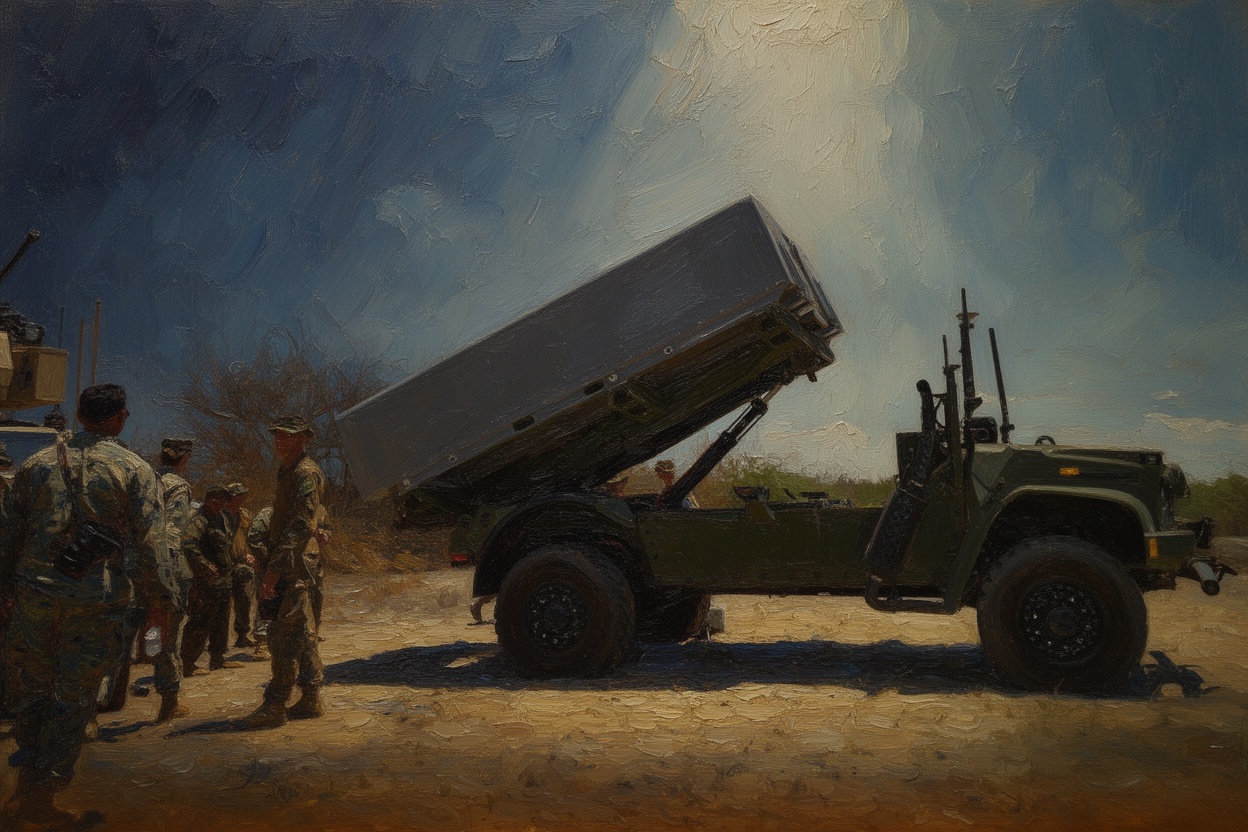
US Marines Conduct Remote Islands Seizure Exercise in Philippines
The US Marine Corps conducted a tactical exercise focused on seizing remote islands, enhancing operational capabilities in the Asia-Pacific region.
The US Marine Corps recently executed a tactical exercise aimed at seizing remote islands as part of a series of drills in the Philippines. This training exercise is designed to bolster the Marines' capabilities for rapid response in various operational scenarios across the Asia-Pacific region. Participation in such exercises is essential for maintaining preparedness amidst rising regional tensions.
Background context highlights the strategic relevance of the exercise. With increased military activity in the South China Sea, the Philippines serves as a vital ally for the United States in projecting power and ensuring regional security. The exercise not only tests the Marines' ability to operate in hostile environments but also strengthens ties with Philippine forces.
Strategically, the operation underscores the US commitment to its alliances in Southeast Asia. The ability to project force and conduct amphibious operations will enhance deterrence against potential aggressors. This training is pivotal as it not only enhances tactical skills but also demonstrates US resolve to maintain stability in the region.
In terms of operational details, the exercise included live-fire drills with various weapons systems, simulating real combat scenarios. The focus on island seizure tactics involved the use of amphibious assault vehicles and drone technology. The Marines engaged in coordinated efforts to demonstrate their readiness and versatility in dynamic operational environments.
The likely consequences of these exercises include increased operational readiness for the Marines and an enhanced deterrent posture in the region. As the geopolitical landscape continues to evolve, the strengthening of US-Philippine military cooperation will be crucial in addressing security challenges, ensuring rapid response capabilities, and countering potential threats in the Asia-Pacific area.