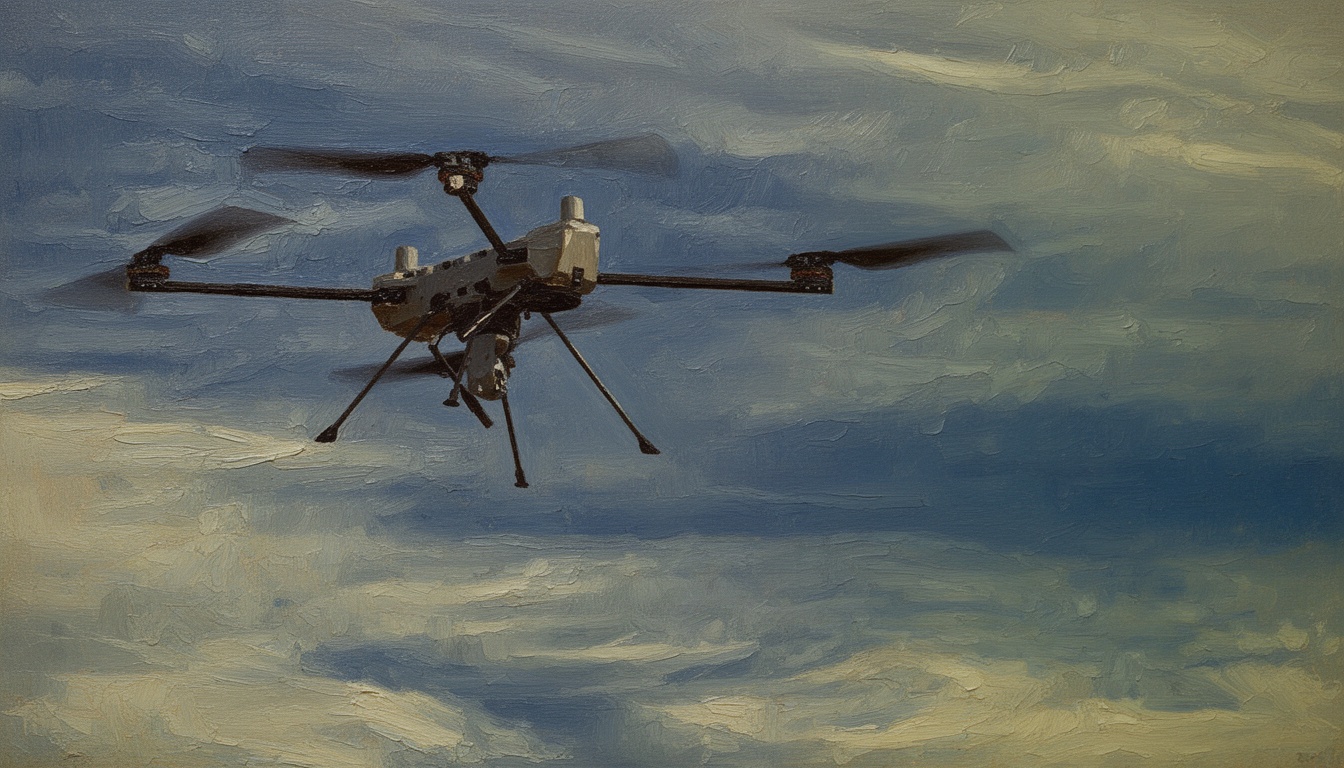
US Military Appoints New Drone Chief Amid Fighter Jet Developments
The United States establishes leadership for drone operations as the UK, Italy, and Japan move forward on a joint fighter jet initiative. This reflects a strategic response to evolving threats and technological advancements in global military aviation.
The US Department of Defense has appointed a new leader to oversee drone operations, indicating a significant shift in focus towards unmanned aerial capabilities. This appointment aligns with a broader trend in military modernization, particularly in response to persistent challenges in global security environments. The new chief's role will be crucial as advances in drone technology restructure combat dynamics, enhancing strategic options for the US military.
In parallel, a collaborative effort among the UK, Italy, and Japan is underway to develop a next-generation fighter jet under the Global Combat Air Programme (GCAP). This initiative highlights a commitment to fostering air superiority capabilities that are increasingly necessary in both defensive and offensive operations. The collaborative fighter jet project marks a significant step towards shared defense objectives and regional security enhancements.
The strategic significance of these developments cannot be understated. The appointment of a dedicated drone chief may signal both the Pentagon's acknowledgment of the growing significance of unmanned systems in warfare and its intent to coordinate drone operations more effectively across branches of the military. The GCAP initiative further exemplifies international partnerships in defense, encouraging interoperability and shared technological advancements among allied nations.
Operationally, the US drone program has been evolving rapidly, focusing on enhancing capabilities of systems such as the MQ-9 Reaper and newer models expected to enter service in the coming years. Meanwhile, the GCAP aims to integrate advanced technologies that can include stealth features, enhanced avionics, and cutting-edge weapon systems into a platform that meets the needs of all participating nations. Such modernization efforts are critical as nations prepare for potential conflicts against advanced adversaries.
The implications of these initiatives are far-reaching. Establishing a strong leadership for drone operations combined with a robust, collaborative aircraft project sets the stage for enhanced military readiness in an increasingly complex global security landscape. Analysts predict that these changes will spur further investments in security and defense capabilities among allied nations, reshaping military strategies for years to come.