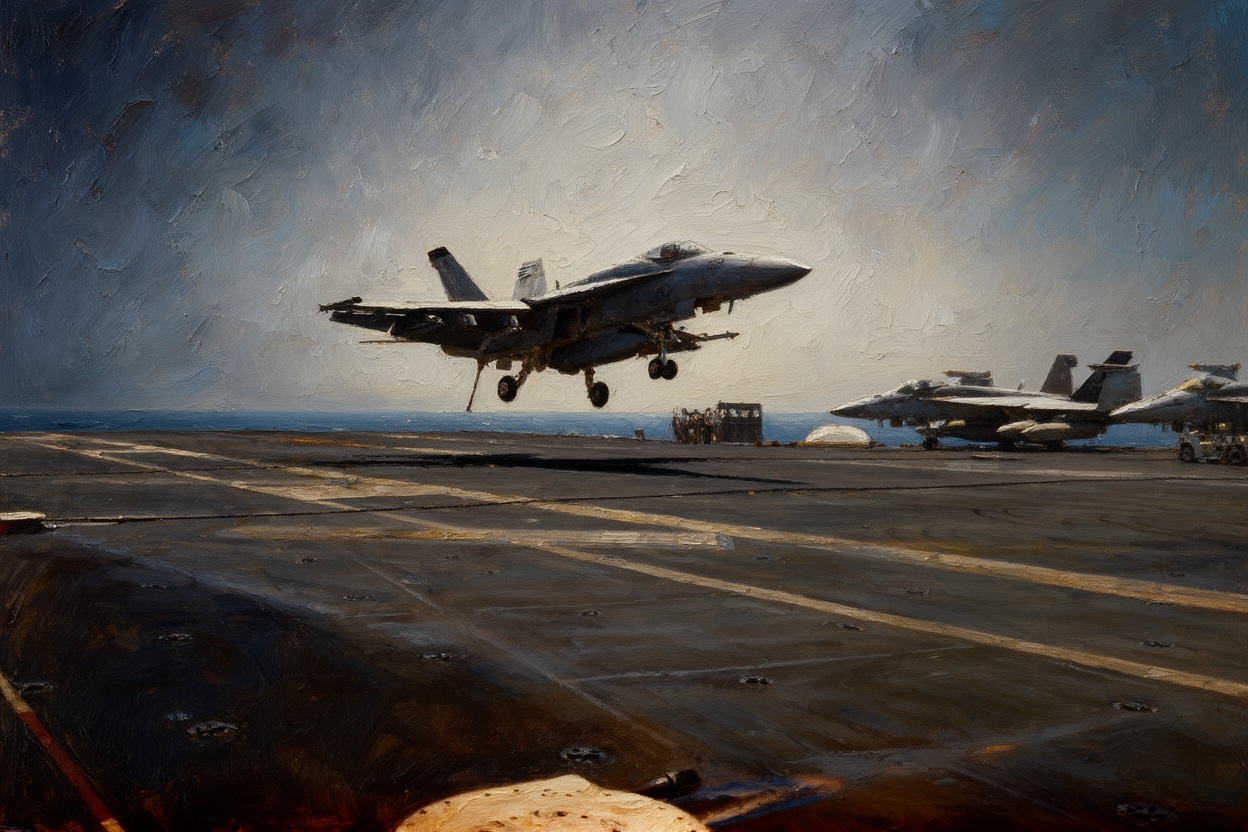
US Military Conducts Self-Defense Strikes Against Iran
Continued strikes highlight escalating tensions between the U.S. and Iran. While a ceasefire exists, military engagements persist, increasing risks in the region.
The U.S. military has conducted self-defense strikes against Iranian positions, marking a significant escalation in hostilities despite the ongoing ceasefire that began on April 12. U.S. Central Command has confirmed the continuation of these operations, indicating that tensions remain high in the region.
This military response follows a series of incidents where U.S. forces identified imminent threats from Iranian assets. The situation has become increasingly precarious, with U.S. officials expressing concerns over the potential for further conflict. These strikes come at a time when diplomatic efforts are crucial to maintaining stability.
The strategic significance of these actions cannot be understated. The U.S. has been reinforcing its military presence in the Gulf to deter Iranian aggression and ensure the safety of its forces. The ongoing military actions underscore a fragile balance in a region marked by historical animosities.
Operationally, the U.S. employs advanced weaponry in these engagements, though specific systems have not been disclosed. The military response is tailored to minimize risk to U.S. personnel while addressing threats decisively. The effectiveness of these strikes may influence future military policy decisions as the situation evolves.
Looking ahead, continued military operations may exacerbate tensions with Iran and reduce the likelihood of a diplomatic resolution. Analysts suggest that without proactive peace efforts, the potential for miscalculation or unintended escalation remains high, which could lead to broader conflict in the region.