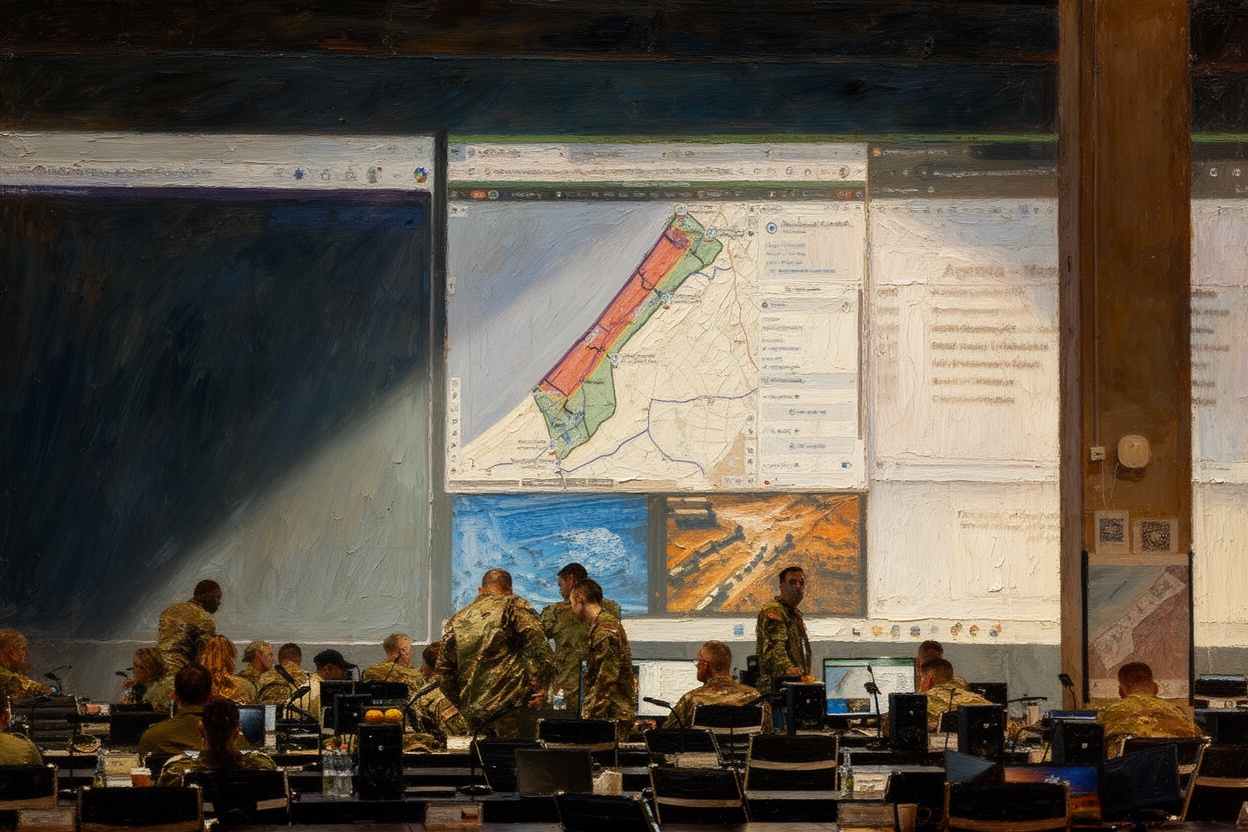
US Military-Led Gaza Mission Set to Close Amid Stalled Aid
The closure of the U.S. military-led body monitoring the Israel-Hamas ceasefire could impact humanitarian efforts in Gaza. The decision highlights challenges in sustaining international aid amidst ongoing tensions.
The U.S. military-led body overseeing the ceasefire between Israel and Hamas and facilitating aid to Gaza is preparing for closure. Seven diplomats confirmed this decision amid an overall stall in U.S. diplomatic efforts related to the region. The closure signifies a significant shift in U.S. engagement in Middle Eastern affairs, particularly as tensions remain high.
Historically, the U.S. has had a prominent role in mediating conflicts between Israel and Palestine, often through military and diplomatic channels. The growth of humanitarian needs in Gaza following the last conflict has underscored the importance of continued international support. However, the inability of the U.S. to advance its diplomatic agenda has severely hampered these efforts.
The strategic implications of this closure are far-reaching. With the U.S. withdrawing its direct involvement, it raises concerns about the sustainability of the ceasefire and the potential for renewed violence. This vacuum of leadership may embolden other regional actors to influence the situation further, risking a return to larger-scale conflict.
Operationally, this move may severely disrupt ongoing humanitarian initiatives. The U.S. military body was critical in monitoring aid distribution and ensuring compliance with ceasefire agreements. Without its oversight, challenges in aid delivery could exacerbate the already dire humanitarian situation in Gaza.
The potential consequences are severe. Analysts warn that without U.S. involvement, the likelihood of escalating tensions increases. The focus now shifts to other international actors that may step in to fill the void left by the U.S., although their capacity and willingness to do so remain uncertain. This development could very well reshape the dynamics of peace efforts in the region in the near future.