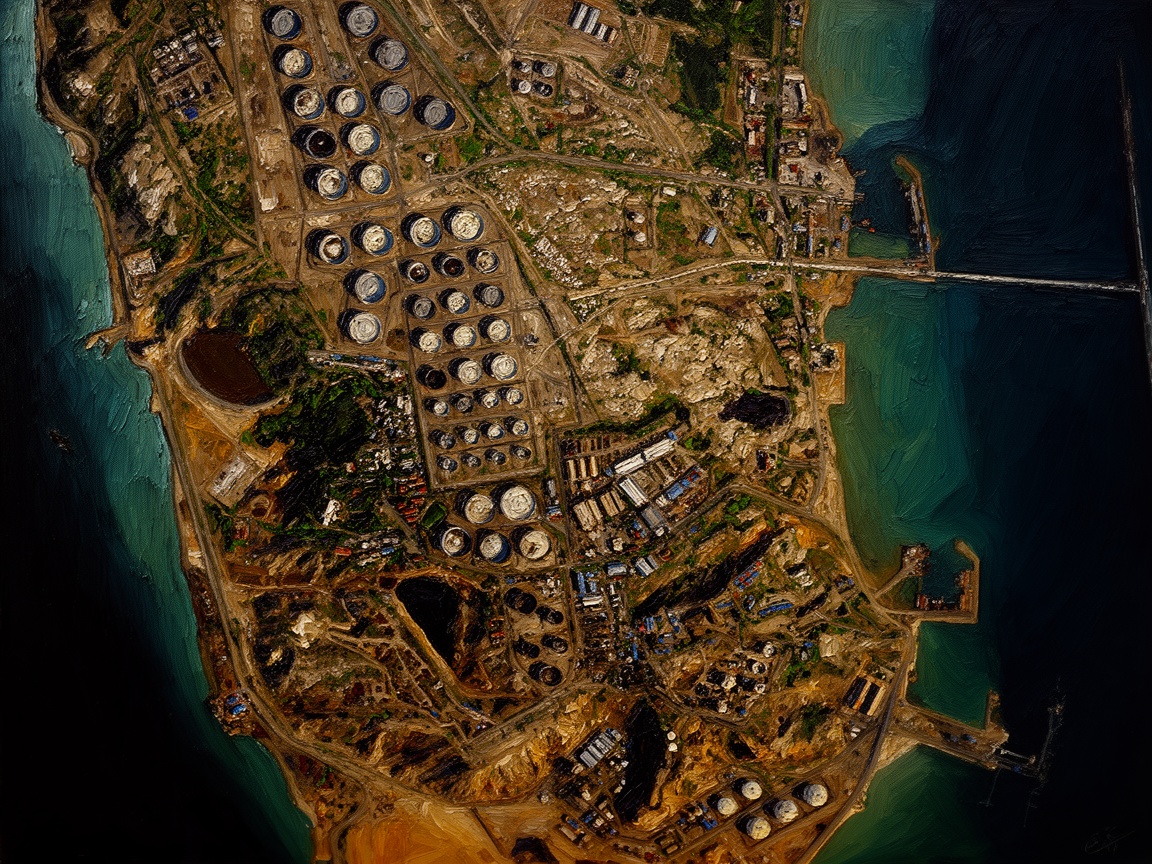
US Military Operation in Iran's Southern Islands Faces High Costs
Potential US control over Iranian islands raises strategic concerns. Analysts question if Washington is ready for the associated risks and expenses.
A possible US military operation targeting Iran's southern islands could significantly escalate tensions in the region. Experts note that such a move would not only be a dramatic display of military force but also involve significant financial and geopolitical costs, which some analysts doubt Washington is prepared to shoulder.
The southern islands of Iran, including Abu Musa and the Greater and Lesser Tunbs, have long been contested areas, vital for strategic naval control in the Persian Gulf. If the US were to attempt to exert control over these islands, it would likely provoke a strong military response from Iran, further inflaming existing hostilities.
Strategically, control over these islands would enhance US military positioning in the Gulf, potentially allowing for better surveillance and access routes. However, any such action could also lead to increased Iranian military activity aimed at countering American influence, raising the stakes for a potential armed confrontation.
Logistics for a military operation in these contested waters would be complex, requiring extensive naval deployment and readiness of advanced systems. The current US naval assets in the region, such as the USS Ronald Reagan aircraft carrier, may not be sufficient for a sustained campaign without significant reinforcements.
The repercussions of attempting to control these islands could set off a series of escalatory actions from Iran, ranging from increased naval patrols to direct military engagements. Analysts suggest that the costs—both financial and human—make this operation seem unlikely under current US defense policy priorities.