US Military Warns Troops About Cellphone Security Risks
US forces in the Middle East face heightened security risks from cellphone usage. Commanders emphasize the threat posed by online sharing of sensitive information.
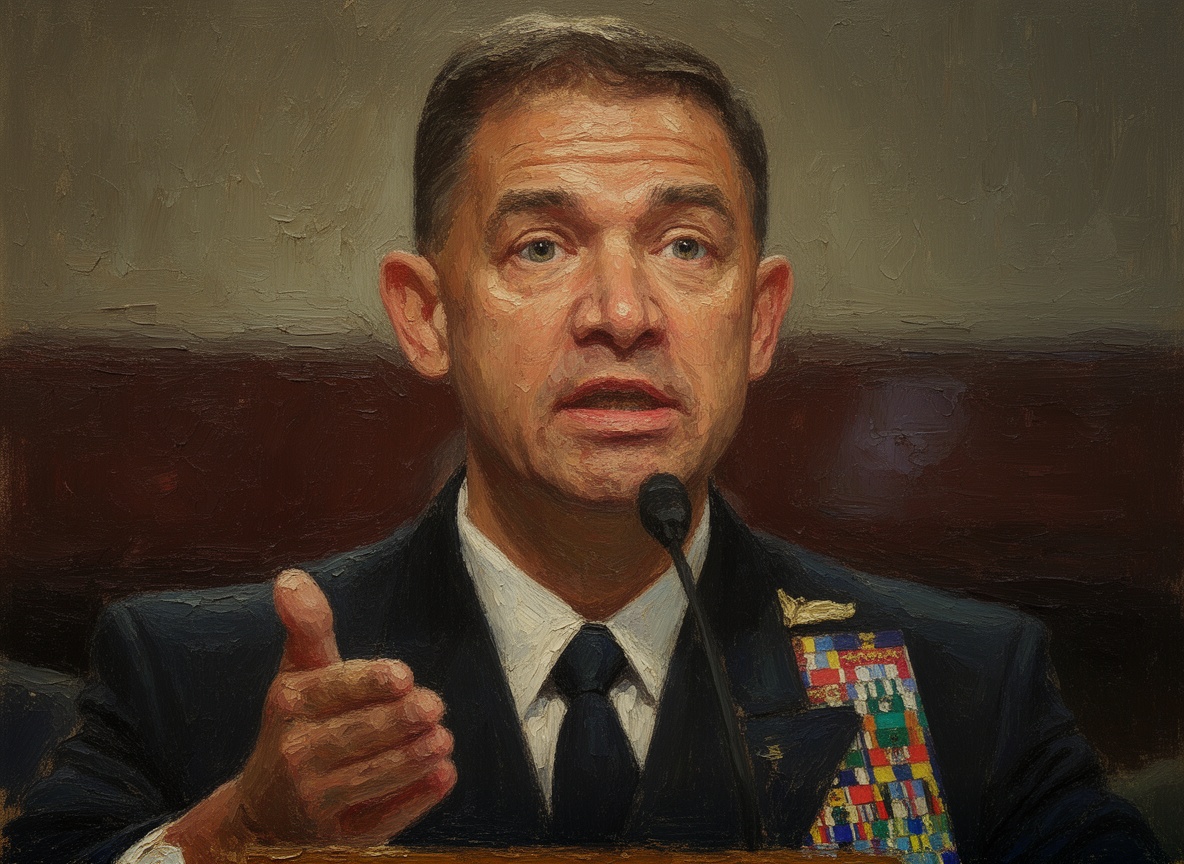
US Central Command has issued a warning to its troops stationed in the Middle East regarding the potential risks associated with cellphone usage. General Michael Kurilla, the top commander, has pointed out that videos shared online could inadvertently assist Iran in targeting American military bases in the region. This caution comes amidst rising tensions between the US and Iran, particularly following the drone strikes on US facilities that have been attributed to Iranian-backed militias.
The emphasis on security reflects a growing concern about operational security and the capture of sensitive information through civilians’ smartphones. Commanders believe that the use of personal devices can compromise troop safety and hinder mission effectiveness. The possibility of requiring troops to surrender their phones underscores the seriousness of these concerns as military operations in the area continue to evolve and intensify.
From a strategic standpoint, this development highlights the vulnerabilities faced by US forces amid ongoing hostilities. Adversaries, particularly Iran, can leverage digital information to adjust tactics and strategies against US interests in the region. The potential for cellphone sharing to affect operational effectiveness is significant, as this could enable enemy forces to gain insights into troop movements and base locations.
In terms of operational specifics, Central Command is evaluating policies that may limit cellphone usage among troops in sensitive areas. Detailed assessments are likely to be conducted regarding which operational theaters will implement stricter communication protocols. The impact on troop morale and communication will be an essential factor in shaping these new policies.
Looking ahead, the requirement to manage digital communications could present potential challenges for troop engagement and general welfare. If implemented, it could lead to a culture of mistrust among personnel and complicate their daily interactions. The military will need to balance security with the need for troops to maintain personal connections, making clear communication about the reasons for any new protocols essential for maintaining morale within the ranks.