US Navy Aims for Undersea Warfare Superiority
The US Navy is enhancing capabilities in undersea warfare, targeting seabed control for strategic advantage. This initiative addresses increasing threats to vital undersea infrastructure.
The US Navy (USN) is actively pursuing 'seabed superiority' in its undersea warfare strategy, according to Rear Admiral Richard Seif, the Commander of the Submarine Force (COMSUBFOR). This focus aims to improve both offensive and defensive operations on the ocean floor. The statement was made during the annual Combined Naval Event 2026 (CNE26) conference, highlighting the USN's evolving maritime strategies in response to global security threats.
Increasing threats to critical undersea infrastructure (CUI) in strategic waterways, such as the Baltic Sea, have amplified the need for enhanced undersea capabilities. Infrastructure such as undersea cables and pipelines is vital for global communication and energy supplies. The USN's initiatives are designed to deter potential attacks and maintain the security of these essential assets.
The strategic significance of this initiative cannot be understated, as control of the seabed could offer substantial tactical advantages over adversaries in a variety of scenarios. By focusing on undersea capabilities, the US Navy seeks to counterbalance the capabilities of peer competitors and ensure its tactical superiority in potential conflict zones.
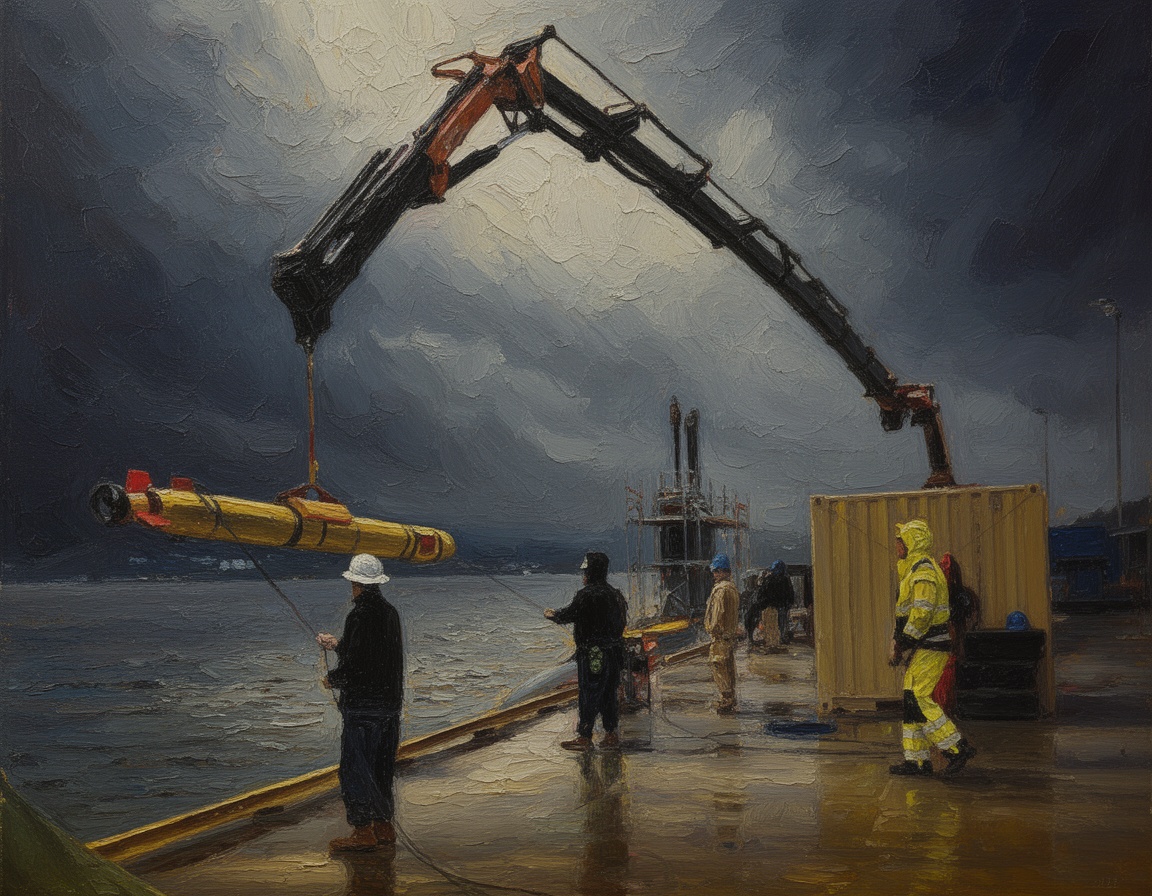
In terms of operational details, the USN is investing in advanced submarines, unmanned underwater vehicles (UUVs), and enhancing detection technologies. These advancements are critical for conducting surveillance, reconnaissance, and offensive operations beneath the waves. Increased funding for these underwater capabilities has been a prominent discussion point at recent naval forums.
As the undersea environment becomes increasingly contested, the US Navy's push for 'seabed superiority' signifies a broader strategy to adapt to emerging threats. This initiative may lead to escalated competition in undersea warfare, prompting other nations to similarly enhance their underwater capabilities in response to US actions.