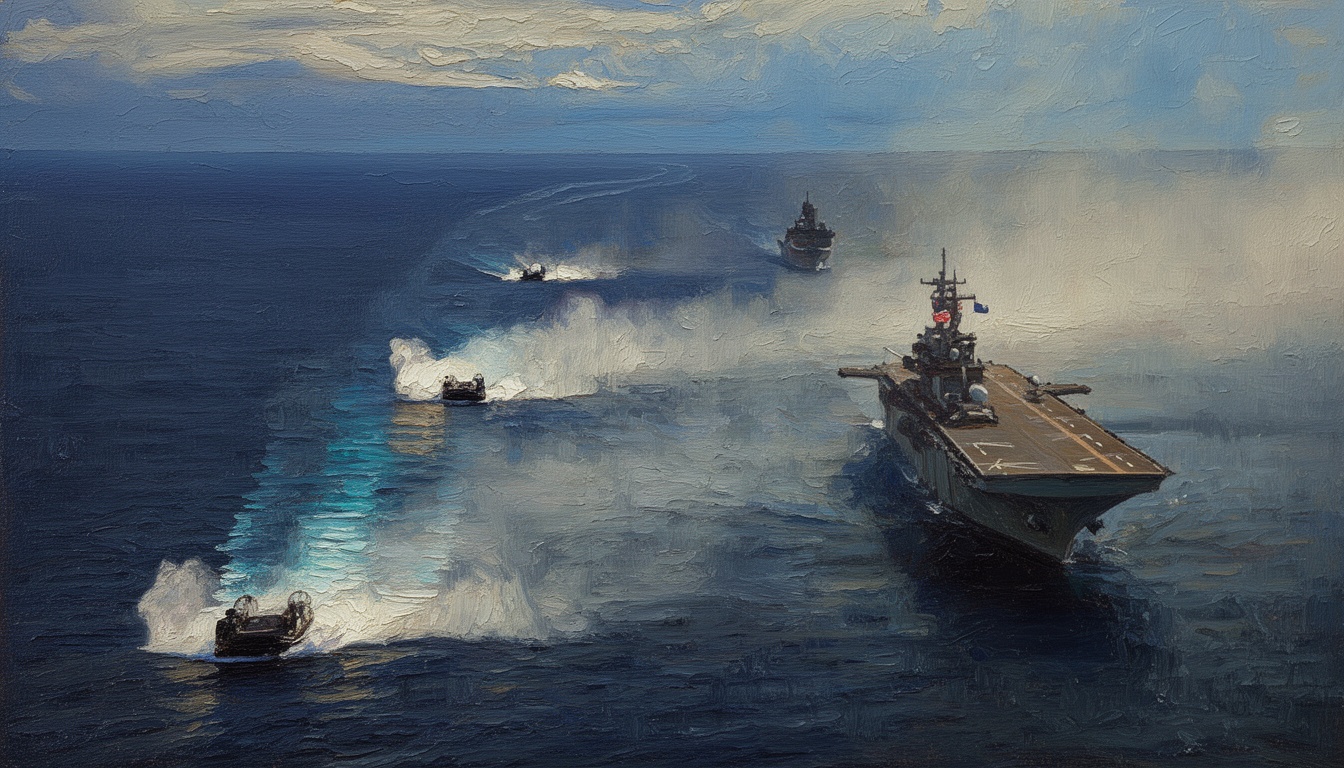
US Navy and Marine Corps Consider Amphibious Force Model Changes
Leaders of the US Navy and Marine Corps are contemplating a significant adjustment to their force generation model. The proposed change could extend the deployment schedule, allowing for two deployments within a longer cycle.
The US Navy and Marine Corps are reportedly evaluating their existing force generation structure, specifically the 36-month Optimized Fleet Response Plan. This plan currently aims to prepare naval forces for rapid deployment but may be restructured to better accommodate operational demands. The leadership has suggested that a longer force generation cycle might allow for more effective planning and execution of amphibious missions.
Historically, the 36-month cycle has provided a balanced approach to readiness. However, senior officials recognize that evolving global threats and operational commitments require a paradigm shift. A revised model could facilitate enhanced readiness and sustainability of amphibious forces, ensuring they are better prepared for concurrent deployments.
This potential overhaul holds strategic importance, especially amidst increasing maritime activities in contested regions. Adapting the deployment cycle is seen as critical for maintaining operational superiority, particularly as the US faces returning adversarial pressures from China and Russia.
Details regarding the specifics of the new model are still being debated, with considerations regarding training schedules, maintenance windows, and personnel readiness taking center stage. The vision includes integrating feedback from recent deployments to refine the generation process further, ensuring that amphibious units remain combat-ready at all times.
If enacted, this change could fundamentally alter the Navy and Marine Corps' operational tempo and readiness. The shift towards a longer deployment cycle may improve strategic flexibility, enabling forces to respond to crises more effectively while ensuring sustained support for ongoing missions.