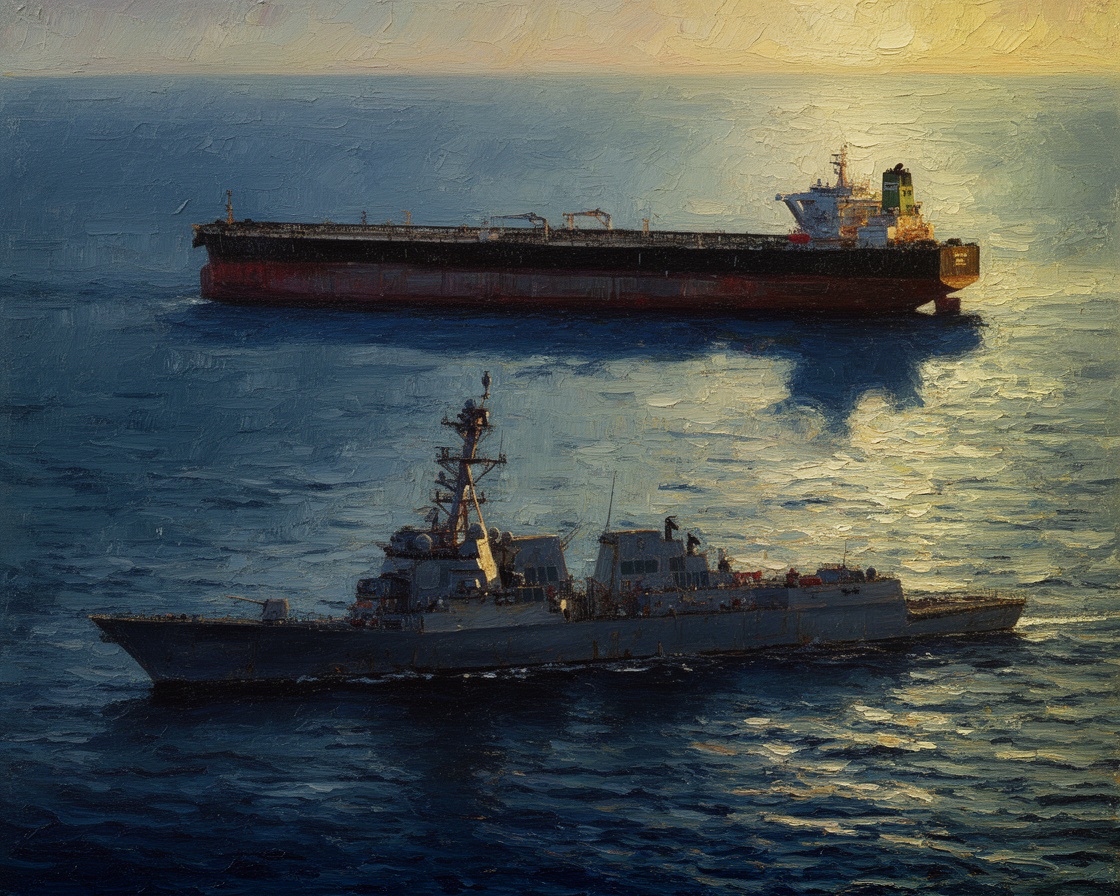
US Navy Ends Hormuz Strait Blockade After Two Months
The lifting of the blockade signals a significant shift in US military posture in the Persian Gulf. President Trump announced that mine-hunting operations are ongoing.
The US military announced the end of the Navy blockade in the Strait of Hormuz after two months of operations. President Donald Trump stated that the waterway would be fully opened on Friday, allowing for safe passage for commercial vessels.
This blockade was part of an increased military presence in the region due to rising tensions related to Iranian activities and threats to maritime security. The decision to lift the blockade may indicate a strategic recalibration by the United States amidst ongoing diplomatic efforts in the area.
The Strait of Hormuz is a critical chokepoint for global oil transportation, with about 20% of the world's oil passing through it. The US Navy had deployed additional vessels and aircraft to ensure freedom of navigation and to conduct mine-hunting operations to eliminate underwater threats.
Currently, operations are being conducted to ensure the strait remains safe for incoming and outgoing shipping traffic. The US maintains a robust defensive posture in the region, highlighting its commitment to securing key maritime routes.
The consequences of this development may influence regional dynamics and affect global oil prices. Staying engaged in the region could deter potential threats, but it also raises the stakes for future interactions with Iran and other nations involved in Middle East affairs.