US Navy Lacks Aircraft Carriers in Pacific for 22 Weeks
The US Navy’s operational capacity in the Pacific has significantly diminished due to the lack of aircraft carriers. This development may impact regional security dynamics and military deterrence in the Indo-Pacific region.
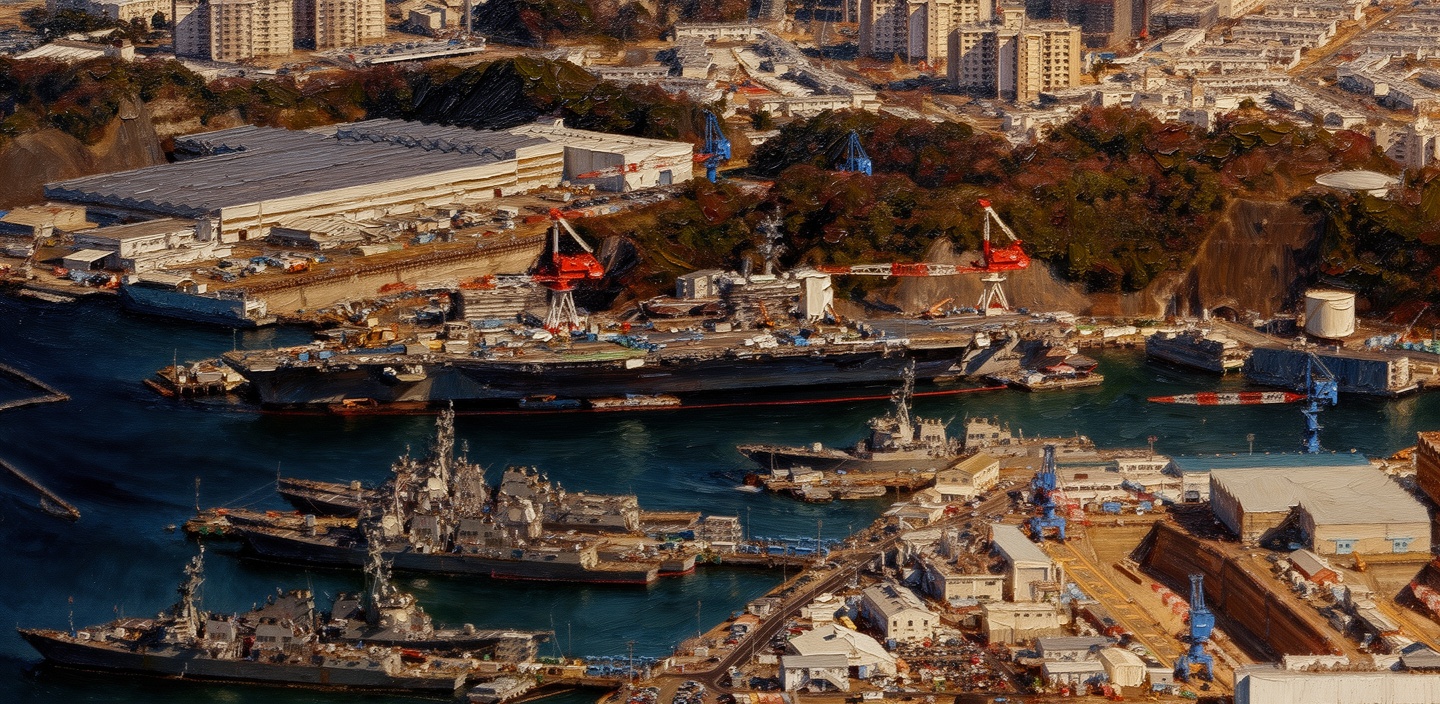
The United States Navy has been down to only one operating aircraft carrier in the Pacific for the last 22 weeks. The USS Ronald Reagan is currently the sole carrier deployed in the region, as the other carriers have either been undergoing maintenance or have been deployed to other regions, reflecting a significant gap in naval power.
This situation comes at a time when tensions are rising in the Indo-Pacific, particularly concerning China's increasing military assertiveness. The absence of additional carrier strike groups diminishes the US Navy's ability to respond effectively to provocations from nations like China and North Korea, thus impacting the overall strategic posture in the region.
Operationally, the USS Ronald Reagan, a Nimitz-class aircraft carrier, is equipped with a significant air wing, which includes F/A-18 Super Hornets and E-2 Hawkeye early warning aircraft. However, with only one carrier available, the Navy's power projection, quick response capabilities, and overall presence in a potentially volatile area are heavily constrained.
The current situation raises concerns among US allies in the region, particularly Japan and South Korea, who rely on US military support for their own national defense strategies. The prolonged lack of a full carrier presence may embolden adversaries and reduce deterrence.
Looking forward, the US Navy faces challenges in maintaining a robust carrier presence in the Pacific. Continued operational gaps could lead to increased regional destabilization and prompt calls for reevaluation of military commitments and capabilities in the Indo-Pacific theater.