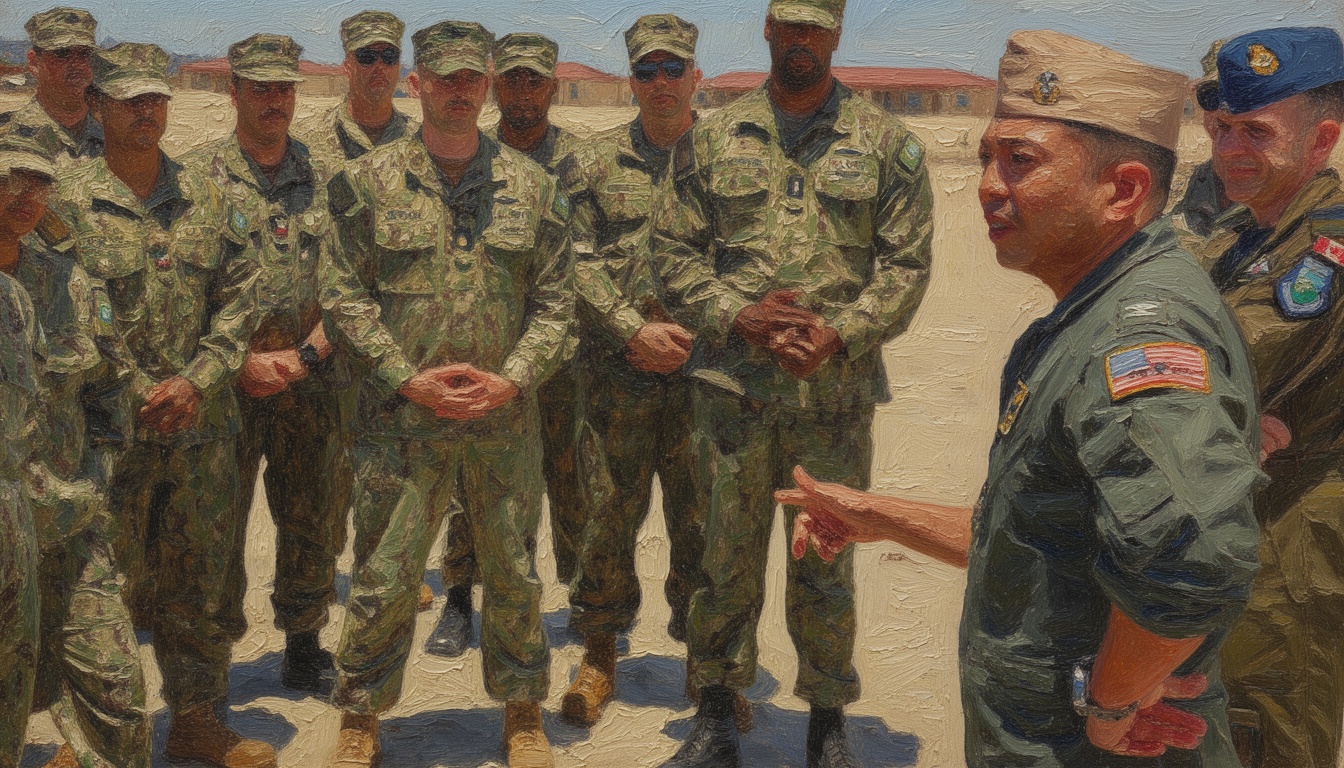
US Navy Launches Largest Humanitarian Mission in Indo-Pacific
The US Navy's Pacific Partnership 2026 aims to strengthen relations in Southeast Asia amid rising tensions with China.
The US Navy has commenced its largest annual maritime humanitarian mission in the Indo-Pacific region, dubbed Pacific Partnership 2026. This initiative is seen as a strategic move to enhance Washington's presence and influence in Southeast Asia, which is crucial in its ongoing rivalry with China. The mission officially began after US personnel departed from San Diego on May 27 for a coordinating hub in the region.
The Pacific Partnership mission involves a range of activities, including medical assistance, engineering projects, and disaster relief efforts aimed at fostering goodwill and cooperation with local nations. By providing humanitarian aid, the US Navy seeks to reinforce its soft power and counter China's growing influence in Southeast Asia. This year's mission emphasizes cultural exchange and collaborative problem solving to strengthen partnerships in the region.
Strategically, this mission represents a significant component of the US's broader Indo-Pacific strategy, which has increasingly focused on enhancing military partnerships and engagements with regional allies. The US naval presence not only aims to provide direct humanitarian assistance but also to demonstrate commitment to regional stability and countering coercive activities, particularly from China.
Notably, the Pacific Partnership includes cooperation with various regional partners, ensuring that a multi-national approach is taken to address shared challenges. The mission will facilitate the delivery of medical care, training, and infrastructure support, thereby highlighting the United States' role as a responsible regional partner committed to assisting those in need.
The likely consequences of this initiative include bolstered regional ties among US allies and partners, while potentially heightening tensions with China as the US seeks to assert its influence in the Indo-Pacific. Continued engagement through humanitarian missions could deter aggressive posturing by China and reaffirm the US's commitment to upholding freedom of navigation and regional security.