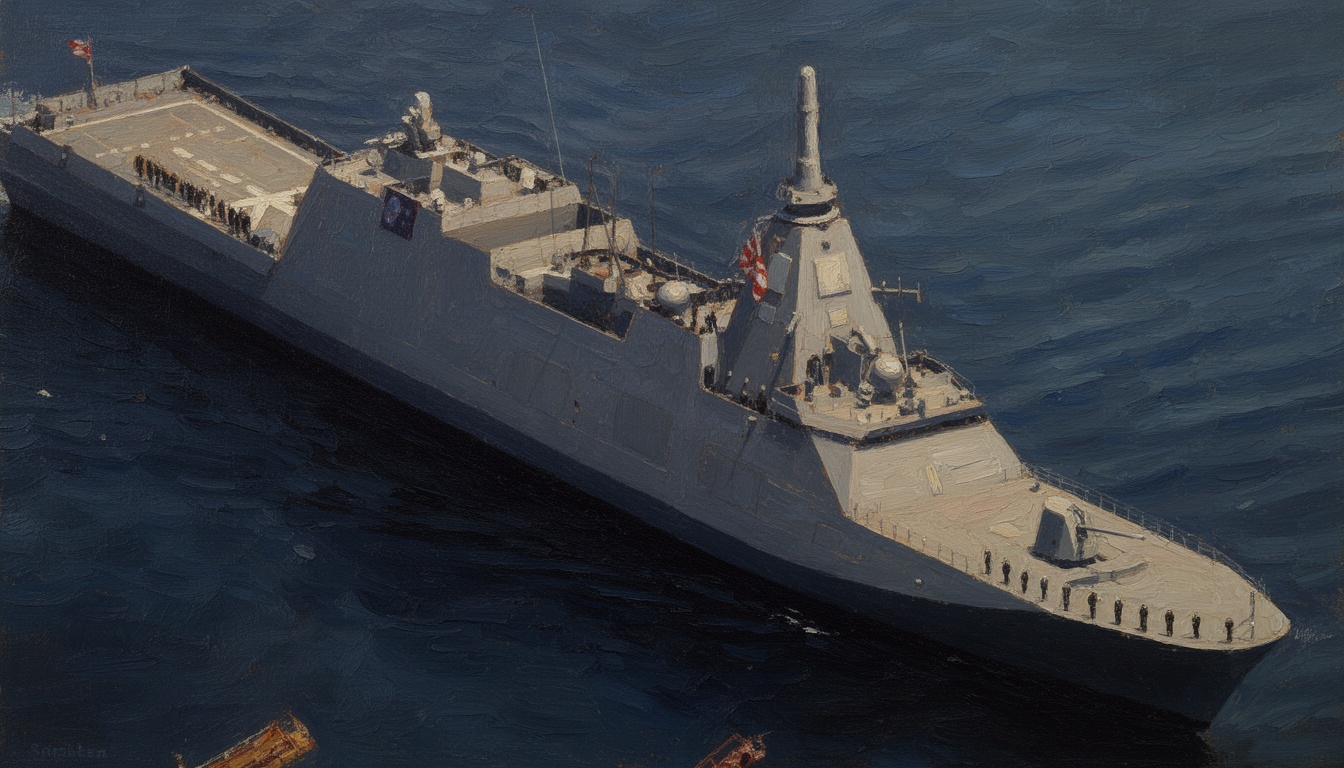
US Navy Must Outsource Shipbuilding to Allies to Compete with China
The US Navy confronts internal opposition as it seeks collaboration with allies. Experts argue that outsourcing shipbuilding to South Korea and Japan is crucial for narrowing the fleet size gap with China.
The United States Navy faces significant domestic resistance regarding plans to collaborate with allies on the design and construction of naval vessels. Analysts have pointed out that to effectively close the fleet gap with China, which currently boasts a larger naval force, the US must consider outsourcing shipbuilding efforts to allies like South Korea and Japan. The geopolitical landscape necessitates this strategic move, as the US aims to enhance its maritime capabilities and bolster deterrence in the Indo-Pacific region.
In the recent budget submission for the upcoming financial year, the US government allocated approximately US$1.85 billion for a comprehensive study focusing on the outsourcing of parts of frigate and destroyer design and construction. This approach not only aims to tap into the advanced shipbuilding capabilities of South Korea and Japan but also intends to accelerate the production timeline of these critical naval assets. The decision reflects an urgent need for the US to modernize its fleet in response to China's rapid naval expansion.
The strategic significance of reallocating shipbuilding responsibilities to close allies cannot be overstated. By leveraging the technological expertise and manufacturing capabilities of South Korea and Japan, the US Navy could significantly enhance its fleet's operational readiness and effectiveness. This collaboration might also serve to deepen military ties and interoperability with these critical partners in the region, promoting a unified front against common threats.
Recent developments indicate a trend toward increased collaboration in defense production among allied nations. Reports highlight that US companies have been exploring partnerships with South Korean and Japanese firms, focusing on co-developing next-generation vessels that incorporate cutting-edge technologies. Such initiatives may facilitate the rapid assimilation of innovative designs and capabilities into the US naval fleet while sharing the financial burdens associated with modern shipbuilding projects.
Looking ahead, the US Navy's decision to consider outsourcing could have lasting implications for strategic maritime balance. As regional tensions with China continue to escalate, the ability to quickly close the naval gap through collaborative efforts will be paramount. The extension of shipbuilding duties to allies may not only enhance US maritime strength but could also reinforce alliances that are crucial in maintaining peace and stability in the Indo-Pacific region.