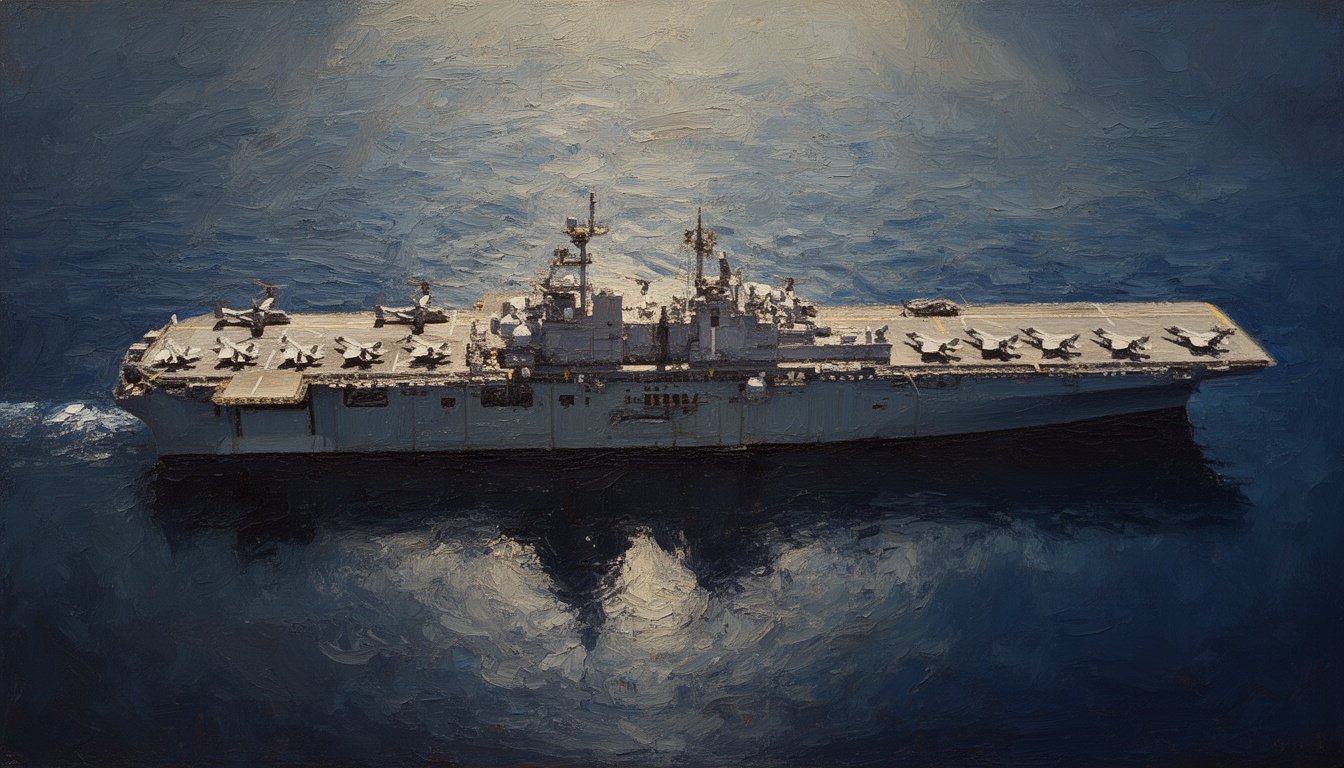
US Navy Proposes Extending Amphibious Readiness Cycles
The US Navy seeks to extend the Optimized Fleet Response Plan from 36 to 56 months, enhancing amphibious readiness. This proposal reflects evolving strategic needs amid global maritime challenges.
The United States Navy is advocating for an extension of its Optimized Fleet Response Plan (OFRP) for amphibious readiness from 36 months to 56 months. This move seeks to improve the readiness of amphibious forces to respond to increasing global maritime challenges and operational requirements. Navy and Marine Corps leaders believe the change is essential for maintaining operational effectiveness in a dynamic security environment.
Currently, the OFRP encompasses a 36-month readiness cycle, which has been deemed insufficient to adequately prepare for complex operational scenarios. The proposed 56-month timeline is seen as a necessary adjustment that allows for increased training, maintenance, and operational deployment of amphibious ships and units. This shift in strategy underscores the recognition of the growing significance of amphibious operations in contemporary military engagements.
Strategically, extending the OFRP to 56 months could influence the Navy's ability to project power globally, particularly in regions facing rising tensions. It emphasizes a proactive approach to naval readiness, aligning resources with the increased demand for amphibious operations in response to geopolitical dynamics. Such an extended readiness cycle may be crucial for ensuring that the Navy can efficiently respond to crises and sustain military presence in critical areas.
From a technical perspective, the extension would require adjustments to ship maintenance schedules, training programs, and logistics to support sustained operations over a longer period. The Navy may also need to assess its shipbuilding plans to ensure the fleet can meet operational demands. These changes could dictate future procurement strategies and overall defense spending in the amphibious warfare domain.
The potential implications of this proposal extend beyond logistics; it signals a shift in naval strategy and readiness that prioritizes amphibious capabilities. As international maritime competition intensifies, the Navy's ability to adapt its readiness cycle may significantly impact its operational posture and deterrence capabilities in the face of adversarial threats.