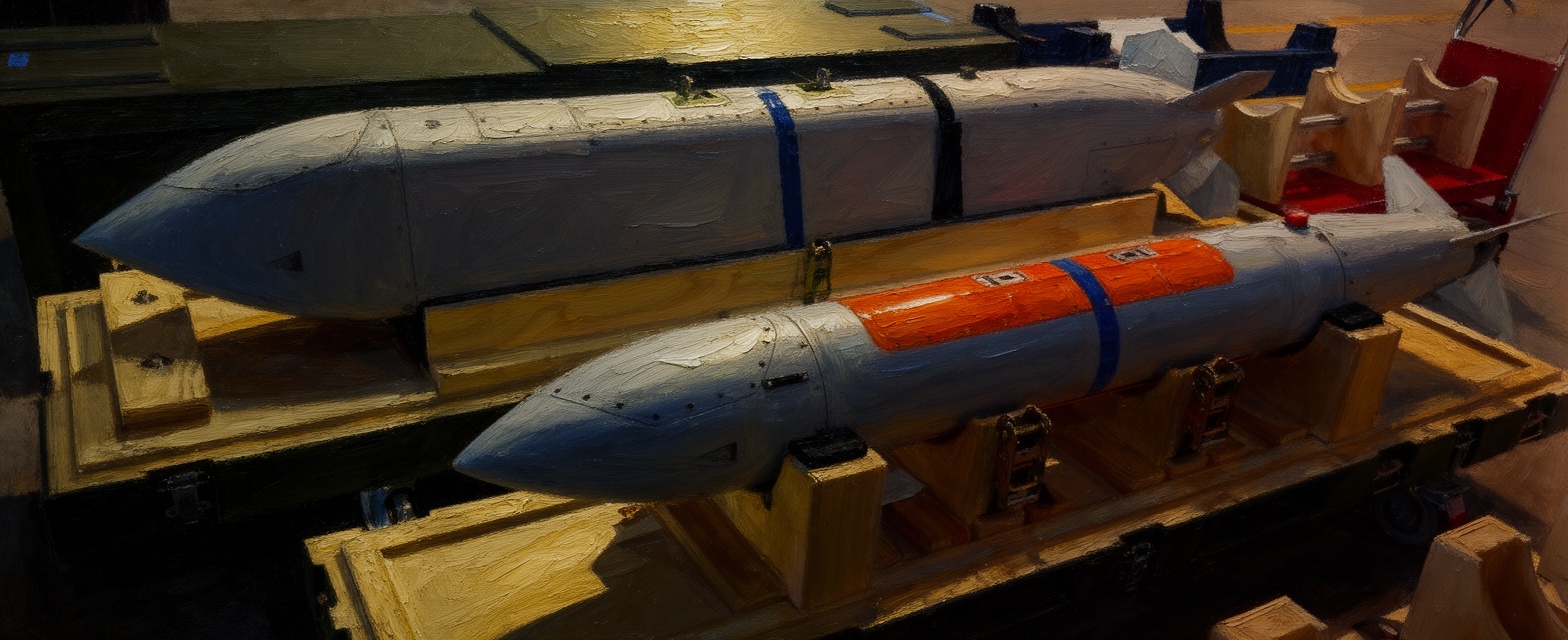
US Navy Selects RAACM-ER Missile to Arm Allies
The US Navy has adopted the RAACM-ER cruise missile as part of the CHAOS program, aiming to enhance partner capabilities with cost-effective strike options against maritime and land targets.
The US Navy has selected the RAACM-ER low-cost cruise missile for its CHAOS (Cooperative and Allied Operational Support) program, designed to provide allied ground forces with enhanced striking capabilities. This decision reflects a strategic shift towards more affordable and efficient weaponry for partner nations, enabling them to engage targets at greater ranges effectively.
The CHAOS program aims to equip friendly forces with a range of options to strike naval vessels and land targets without the high costs associated with advanced military technology. By implementing the RAACM-ER missile, which has been developed as a cost-efficient alternative to traditional cruise missiles, the Navy reinforces its commitment to bolstering the defense capabilities of its allies.
The strategic significance of this development lies in the potential to improve interoperability among allied nations. By standardizing the RAACM-ER in allied forces, the US Navy prepares for joint operations and expands the ability to conduct integrated strikes against mutual threats. This improvement is expected to enhance regional stability by providing smaller states with deterrent capabilities.
The RAACM-ER missile features advanced navigation systems and can be launched from various platforms, making it versatile for both land and naval engagements. Its lower cost per unit allows for broader procurement opportunities, thus increasing the number of platforms that can deploy it. This functionality could therefore significantly shift the military balance in various conflict scenarios.
The adoption of the RAACM-ER is likely to result in enhanced security cooperation among allied nations. By positioning this missile within their arsenals, partner nations may deter aggression from adversaries and contribute to collective defense efforts in strategically important regions. Future assessments will determine the effectiveness and operational integration of the RAACM-ER in varying theaters of conflict.