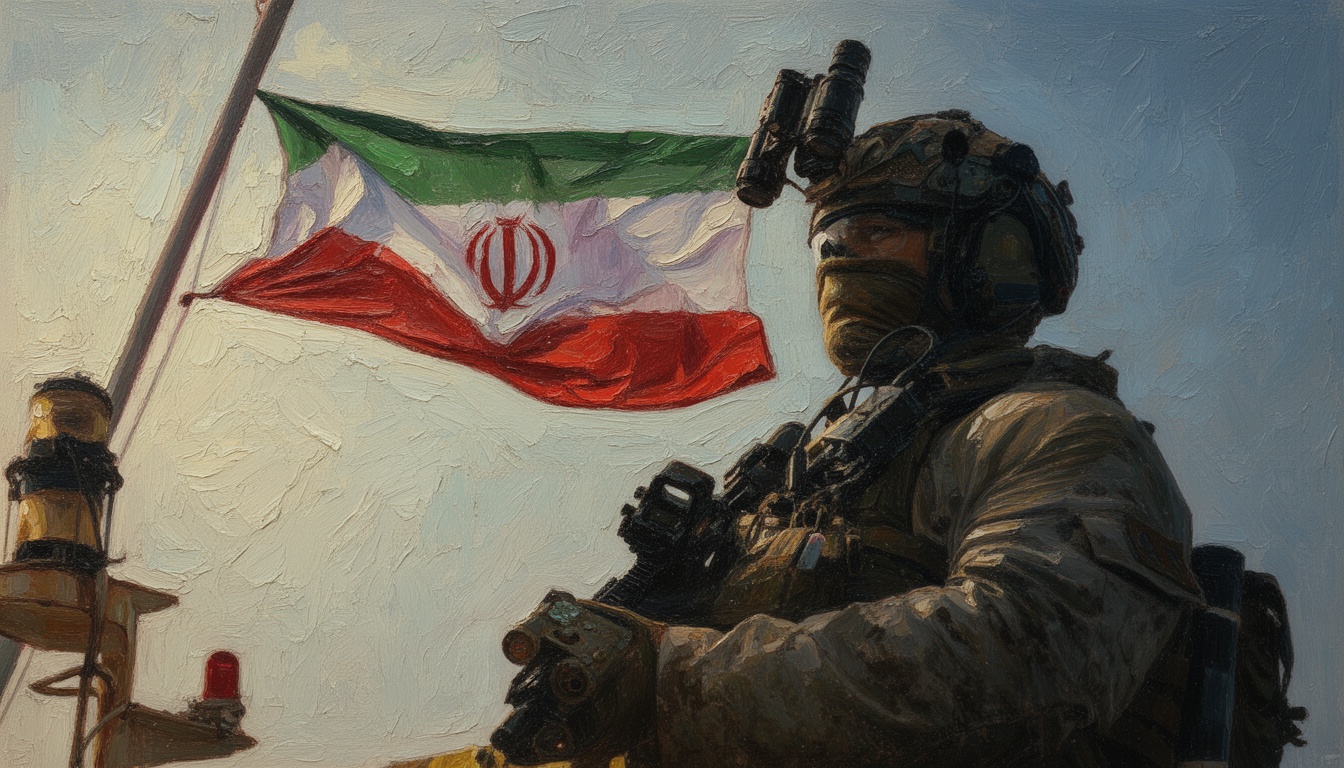
US Not Finished Attacking Iran Amid Conflict Escalation
The conflict with Iran intensifies as President Trump signals ongoing military actions. Tehran's strikes against Gulf states and threats from Houthi allies contribute to rising tensions in the region.
On Tuesday, President Donald Trump asserted that the United States was 'not finished' attacking Iran, amidst an alarming escalation in the ongoing conflict. The situation has escalated after Tehran initiated strikes on Gulf states, significantly affecting regional security and stability. Additionally, threats by Iran-aligned Houthi forces to blockade Saudi ports have further complicated the conflict landscape.
The backdrop of this escalation includes recent U.S. military strikes, resulting in increasing casualties among military personnel. This rise in military engagements coincides with ongoing diplomatic efforts aimed at de-escalation, though tensions remain high. The United States and its allies are concerned about the implications of Iran's aggressive military posture and its influence in the Gulf region.
Strategically, the conflict's widening presents significant risks for global security, especially for oil supply routes and maritime navigation in the Persian Gulf. The U.S. government continues to gather intelligence and assess potential threats to protect its interests and support allies in the region amid growing regional hostility.
Operational details indicate that the conflict may involve advanced weaponry and intelligence capabilities, with the U.S. maintaining a robust military presence in the area. Ongoing U.S. airstrikes and naval operations aim to deter further Iranian aggressions and reassure allied nations impacted by the unfolding crisis.
In the immediate future, the likelihood of further military engagements seems high as both sides prepare for possible escalation. The situation remains volatile, and continued diplomatic contacts through intermediaries may be essential in seeking a sustainable resolution to the ongoing turmoil.