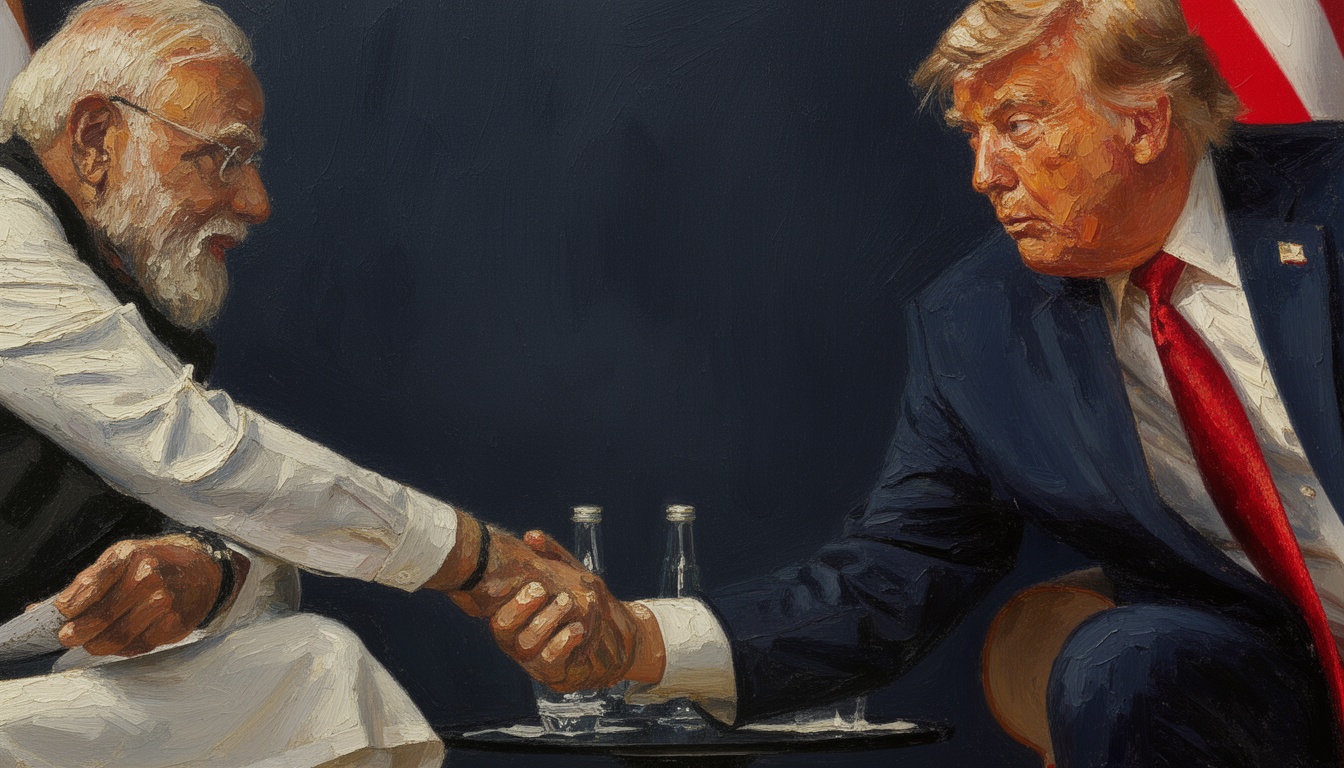
US Pacific Command Renamed, Straining India Relations
The renaming of Indo-Pacific Command raises concerns over US commitment to India. Analysts suggest New Delhi may perceive this change negatively.
The Pentagon's decision to remove "Indo" from its largest unified military command's name has sparked controversy regarding the United States' commitment to India. The name change, announced on June 16, 2023, alters the Indo-Pacific Command back to the Pacific Command (PACOM). With India being a pivotal partner for the US in countering China's influence, this move may be viewed as a setback.
Background on this development reveals that the Indo-Pacific Command was originally named to emphasize the importance of India in the region's security architecture. The decision to revert to PACOM, as stated by US officials, was framed as upholding "honour," "pride," and historical continuity. However, analysts argue that this change may send a signal of diminishing commitment to bilateral engagements with India.
The strategic significance of this alteration cannot be understated. India plays a crucial role in US policy for aligning regional responses to Chinese assertiveness. The name change could be interpreted as a shift away from acknowledging India's relevance in broader security dialogues, potentially causing friction in bilateral relations.
From a military operational perspective, the Indo-Pacific Command was established to better address the complexities of security in the region. With the shift back to PACOM, there could be implications for joint exercises and collaborative defense initiatives in the context of US-India cooperation. Ongoing military exercises and dialogues may need a recalibration in light of this change.
In terms of consequences, New Delhi might reassess its strategic partnerships, seeking reassurances on US support in the face of emerging threats from China. This name change may foster a perception of reduced US commitment, compelling India to enhance its autonomous defense capabilities and further engage with alternative partners in the region.