US Pauses $14 Billion Arms Sale to Taiwan
The United States is delaying a significant arms sale to Taiwan, citing the ongoing conflict in Iran as a critical factor. This marks a notable shift in U.S. defense policy regarding Taiwan amid heightened tension in the region.
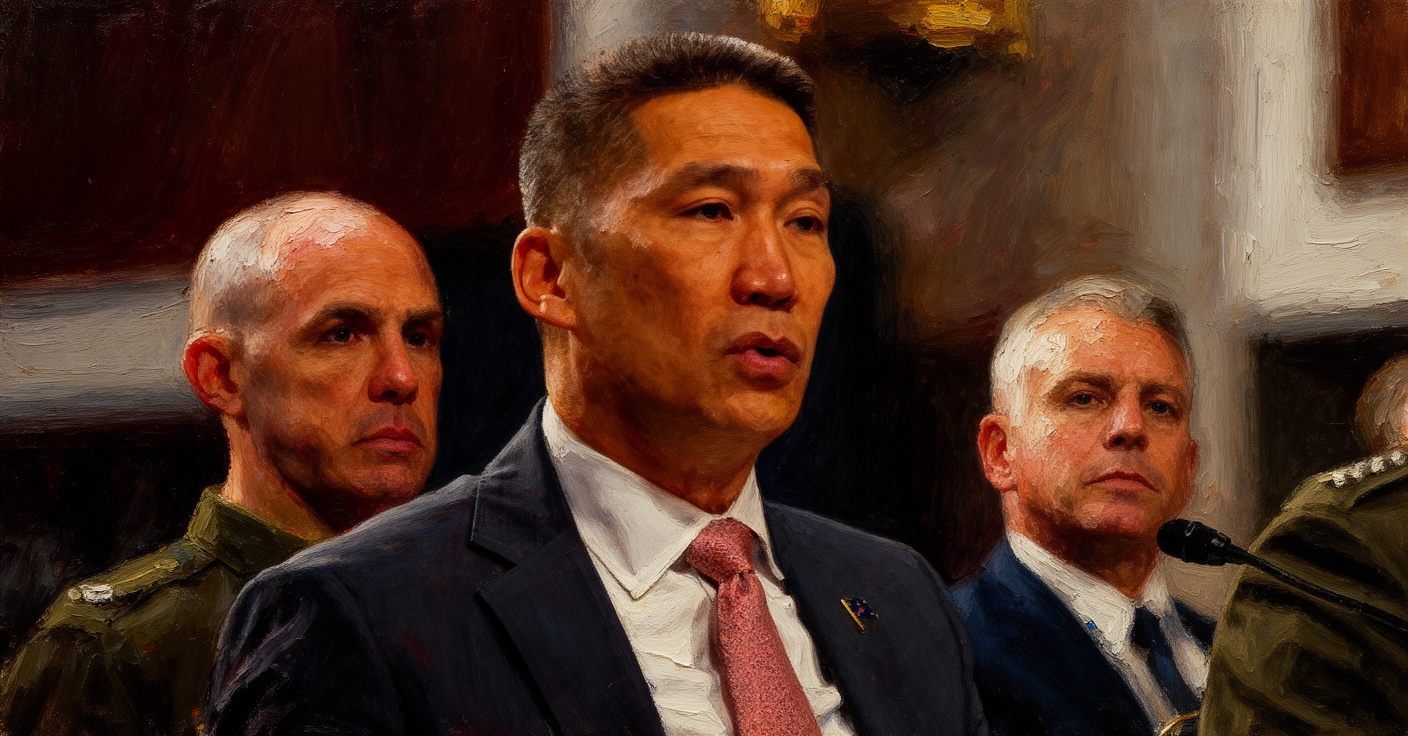
The United States has announced a pause on a $14 billion arms sale to Taiwan, a decision linked to the unfolding war in Iran as stated by Acting Navy Secretary Hung Cao. This announcement follows recent mixed signals from U.S. President Donald Trump about the status of military support for Taiwan.
Historically, the United States has positioned itself as a strong ally to Taiwan, which has sought advanced weaponry to bolster its defense capabilities against potential threats from China. The delay of such a significant arms package raises questions about U.S. commitment to Taiwan amidst changing geopolitical dynamics in the Asia-Pacific region.
This development could have implications for regional security as China continues to increase its military presence near Taiwan. The pause in arms sales might embolden Beijing further, leading to increased tensions in the Taiwan Strait as China may perceive a less decisive U.S. stance.
The arms sale included advanced systems crucial for Taiwan's defense, potentially comprising fighter jets and missile systems designed to enhance its deterrent capabilities. Such a substantial delay could affect Taiwan's defense readiness and its strategic calculations concerning China's military maneuvers.
Moving forward, if the arms sale remains on hold, regional allies of the U.S. might reassess their security strategies based on perceived American disengagement. The geopolitical landscape may shift, invoking further tensions and negotiations concerning U.S. military commitments in response to both Iranian conflicts and Chinese ambitions in the region.