US Pentagon Reports Iran Ceasefire Holds Despite Tensions
The remarks reflect the US military's assessment of the situation in the Strait of Hormuz. Ongoing exchanges are noted, but significant combat operations are not expected to resume.
The Pentagon has confirmed that the ceasefire in the Strait of Hormuz remains intact, despite recent hostile exchanges. General Dan Caine stated that these actions are all "below the threshold of restarting major combat operations at this point." This assessment indicates that, while tensions remain high, both sides appear to be exercising a degree of restraint.
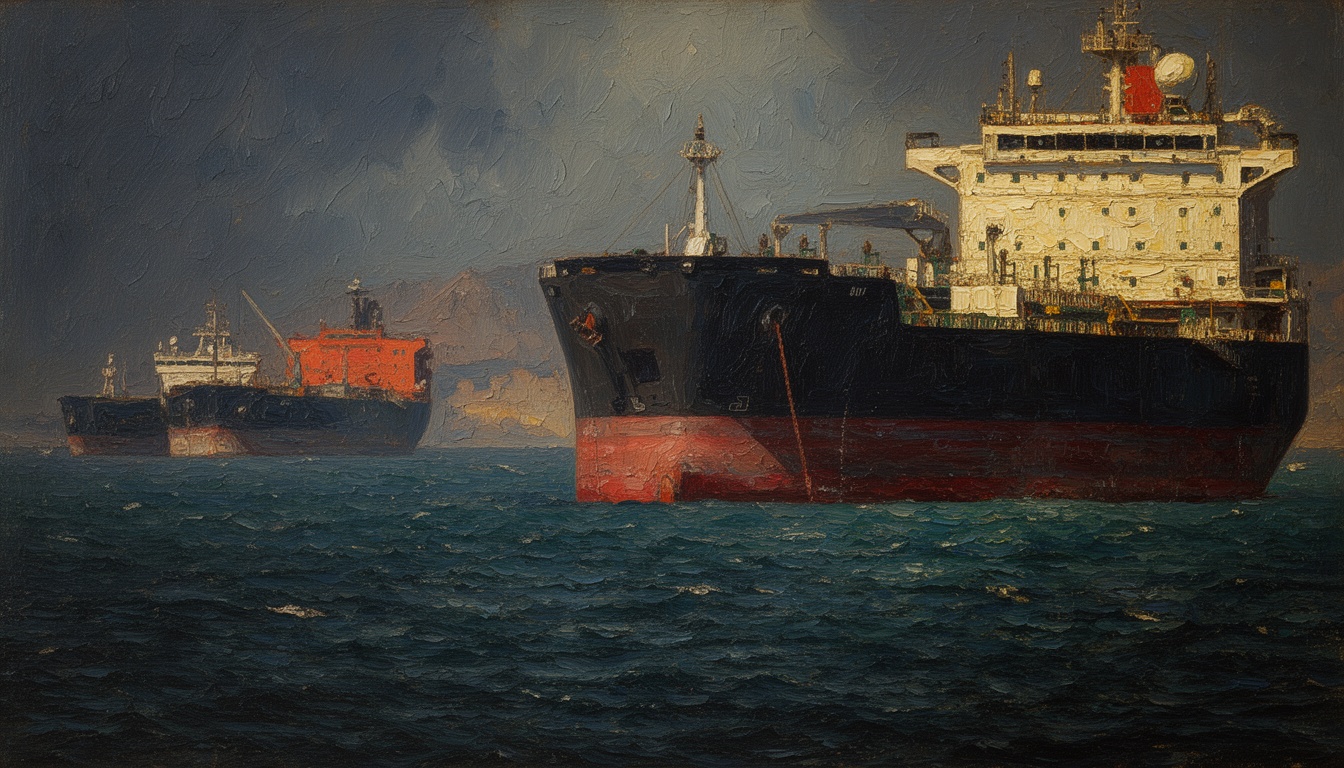
Background on the situation highlights the strategic importance of the Strait of Hormuz, a critical chokepoint for global oil shipments. The ongoing maritime exchanges indicate a state of conflict yet to escalate into a full-scale war. Recent incidents have raised concerns in international waters, prompting the US and its allies to remain vigilant in their maritime operations.
The retention of the ceasefire is significant as it suggests that diplomatic channels may still function. The US military's approach seems to focus on deterrence rather than escalation, reflecting an understanding of the delicate balance in the region. This stance is crucial given that Iran's actions could threaten vital international shipping routes.
Operationally, the US Navy continues to maintain a presence in the region, ensuring freedom of navigation through maritime patrols. This includes the deployment of aircraft carriers and destroyers capable of rapid response if tensions were to escalate. The military’s observation of ongoing tensions without direct combat actions may signal a cautious approach towards conflict management.
Looking forward, the sustenance of the ceasefire could pave the way for diplomatic efforts aimed at de-escalating the situation further. However, the volatile nature of the region necessitates ongoing surveillance and readiness for potential shifts in operational status. Any significant changes in the current dynamic could once again alter the balance of power in the Strait of Hormuz.