US-Philippine Drill Exacerbates Tensions with China
A record-scale military exercise, Balikatan, heightens regional instability amidst rising Indo-Pacific tensions. China's experts warn of its implications for security in the region.
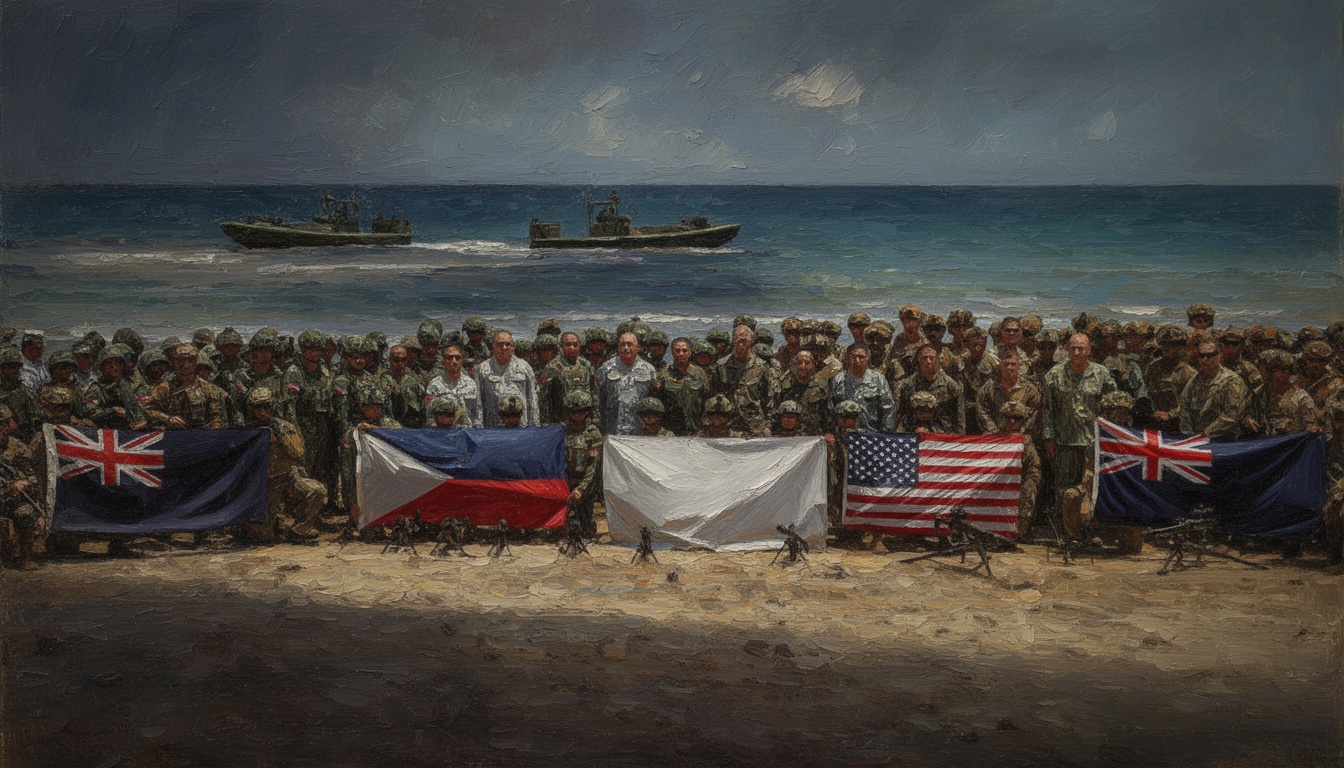
The Balikatan military exercise, a joint initiative led by the United States and the Philippines, has reached unprecedented scale in 2023, intensifying concerns over regional stability as tensions with China escalate. This year’s exercise, characterized by a wide scope of participation and increased training complexity, serves as a pointed demonstration of military collaboration in the Indo-Pacific, reflecting the geopolitical landscape.
Historically significant, the Balikatan exercise has been an annual event aimed at enhancing the defense capabilities of the Philippines while fostering close ties between Manila and Washington. The term 'Balikatan' translates to 'shoulder to shoulder,' symbolizing the joint commitment to security. However, the amplified scale of the exercise this year has prompted alarm from Chinese military analysts, framing the drill as a direct challenge to China's influence in the region.
Strategically, the large-scale participation from other nations, including Japan, signals a unified front among allied nations against perceived threats from China. Analysts note that this cooperative military stance may result in increased tensions in the South China Sea and beyond, as Beijing perceives these drills as provocative, potentially leading to unintended confrontations.
Details reveal that this year's Balikatan exercise involved thousands of troops, advanced weapon systems, and complex scenarios, emphasizing interoperability among allied forces. Notably, Japan's participation marks a deepening defense partnership in the Indo-Pacific, with reports suggesting joint operations to counter regional aggressions.
Moving forward, experts predict that the growing scale of military drills like Balikatan may lead China to increase its military posturing in response. The potential for military miscalculations rises, necessitating dialogue among stakeholders in the region to mitigate risks associated with these heightened military activities.