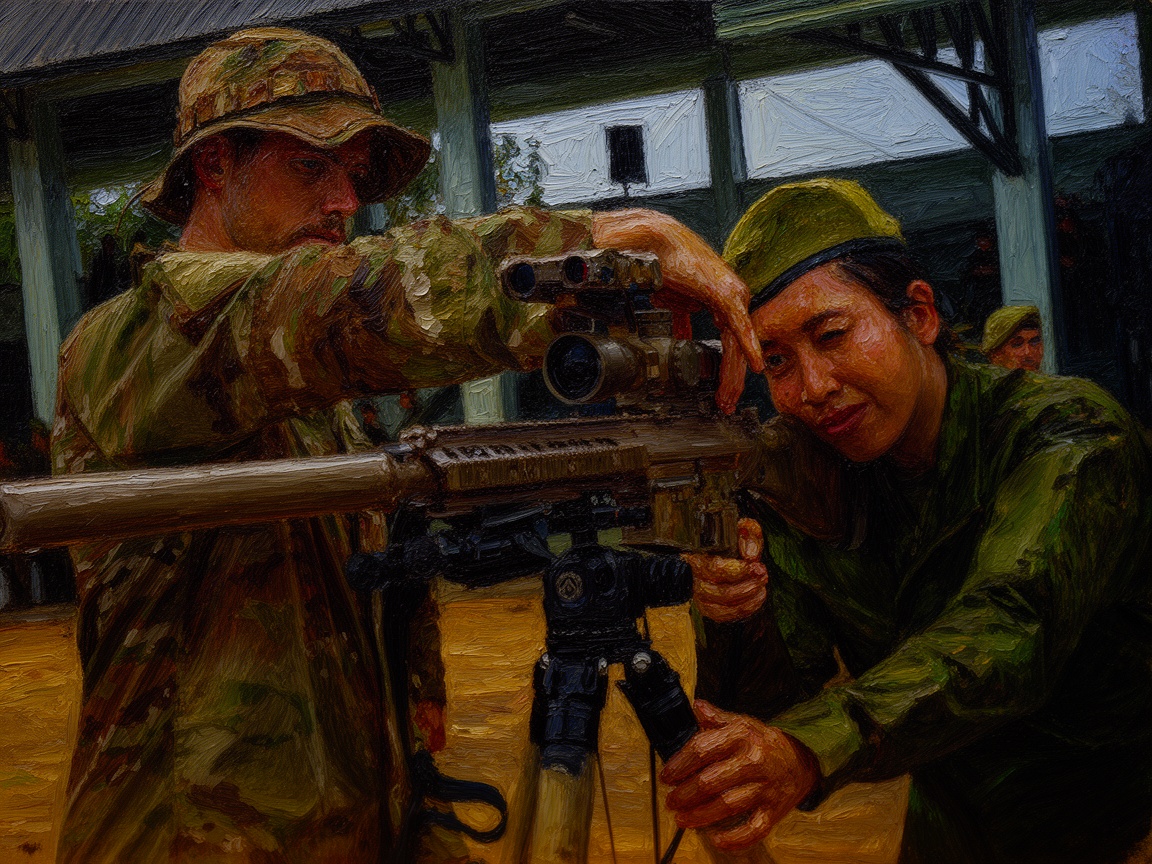
US-Philippines War Games Raise Tensions in the Region
The US-Philippines military exercises are viewed by critics as a potential risk for Manila, positioning it as a target amid rising tensions in the Asia-Pacific. This collaboration may escalate regional conflicts involving major powers.
The recent US-Philippines military exercises have sparked fears that they could draw the region closer to conflict. Critics argue that the intensified alignment of the Philippine military with the United States poses a heightened risk for the nation. There are concerns that this could make Manila a potential target for adversarial powers such as China.
Historically, the Philippines has maintained a complex relationship with the US, balancing domestic interests with foreign policy options. The military exercises, which include joint combat drills and maritime operations, have been described as a signal of strengthening ties between Washington and Manila. This strategic cooperation comes amid a backdrop of increasing assertiveness from China in the South China Sea.
The strategic importance of the Philippines to the US military cannot be overstated. Located at a critical maritime crossroads, the Philippines serves as a forward operating base for US forces. The US has invested significantly in military aid and modernization programs for the Philippine armed forces, which enhances their capability to respond to potential threats in the region.
In operational terms, the ongoing exercises involve various military assets, including fighter jets, naval vessels, and ground forces. By demonstrating military readiness, both nations aim to deter potential aggression, particularly from China, which has expanded its military footprint in nearby areas.
The likely consequences of this military cooperation could lead to a further escalation of tensions in the Asia-Pacific region. With the potential for increased military confrontations, the situation remains precarious. Manila's close alignment with Washington may compel adversaries to reconsider their strategies, possibly resulting in a destabilized regional security environment.