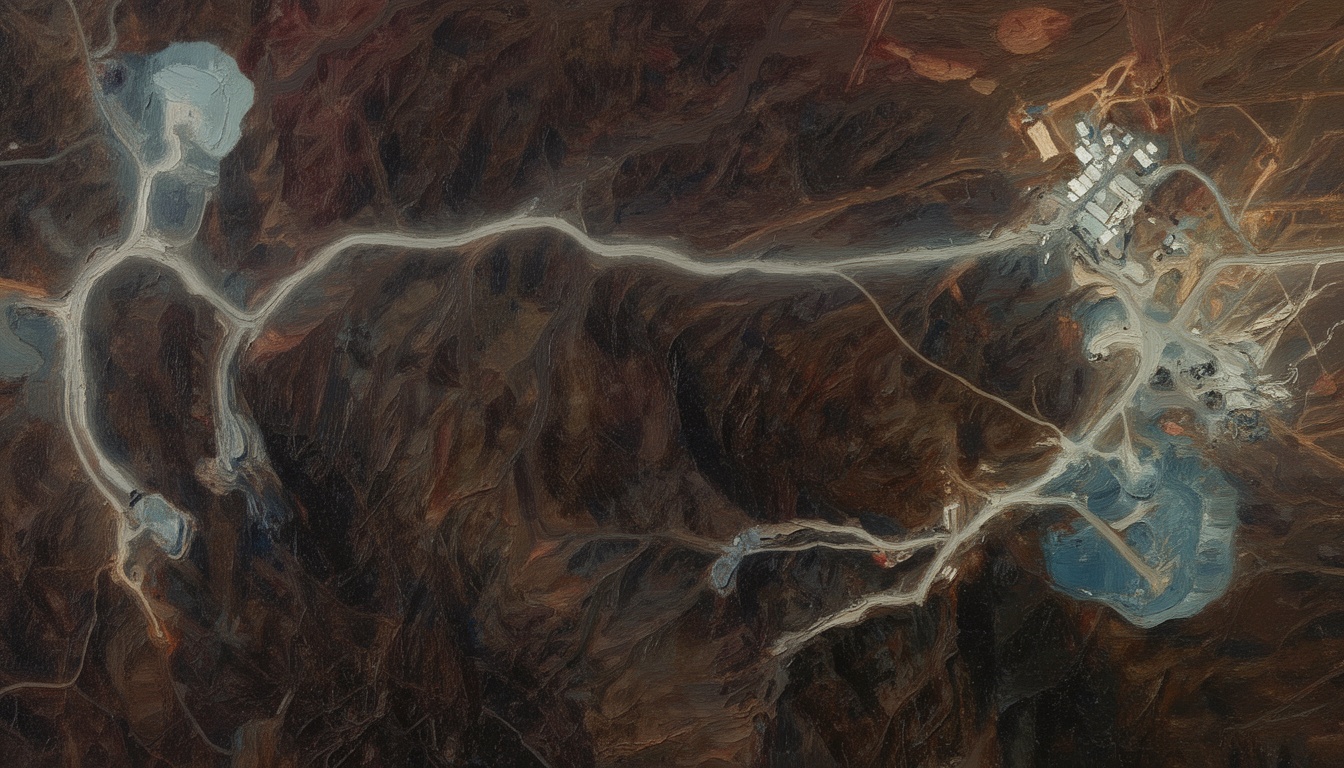
US Plans Strike on Iran's Pickaxe Mountain Nuclear Site
The potential military target reveals escalating tensions between the US and Iran. Trump emphasizes the ongoing threat posed by Iran's nuclear program.
On Tuesday, US President Donald Trump announced that the United States is not done with Iran, hinting at possible military action against a site known as the Pickaxe Mountain nuclear complex. This declaration introduces a new phase of heightened military tensions in the region, as the US government considers further steps against Iran's nuclear ambitions.
The Pickaxe Mountain nuclear site, reportedly clandestine, has raised international concerns regarding Iran's pursuit of nuclear capabilities. The complex allegedly includes valuable assets for enriching uranium, crucial for the development of nuclear weapons. Trump's comments mark a significant escalation in rhetoric and intentions towards Iran, following weeks of tension following recent incidents in the region.
Strategically, the ramifications of a US strike on the Pickaxe Mountain facility could be profound. It could provoke a military response from Iran or its regional allies, potentially destabilizing the already volatile Middle East further. Observers note that any military engagement would significantly alter the balance of power in the region.
The US military possesses a range of advanced weapon systems suitable for strikes on such facilities, including Precision-Guided Munitions and penetrating warheads designed to breach hardened targets. The potential operational costs and military implications of such an offensive operation would be substantial, requiring careful planning and execution to avoid unintended consequences.
In light of Trump's statements, analysts predict increased defensive measures by Iranian forces, heightening the military readiness across the region. Should the US proceed with strikes, it could ignite a broader conflict, reigniting tensions that have remained volatile for decades, ultimately threatening the safety and security of regional populations and interests.