US President Trump Criticizes China in National Address
Donald Trump's recent address to the nation highlights concerns over foreign election interference. This comes against a backdrop of increasing tensions with China.
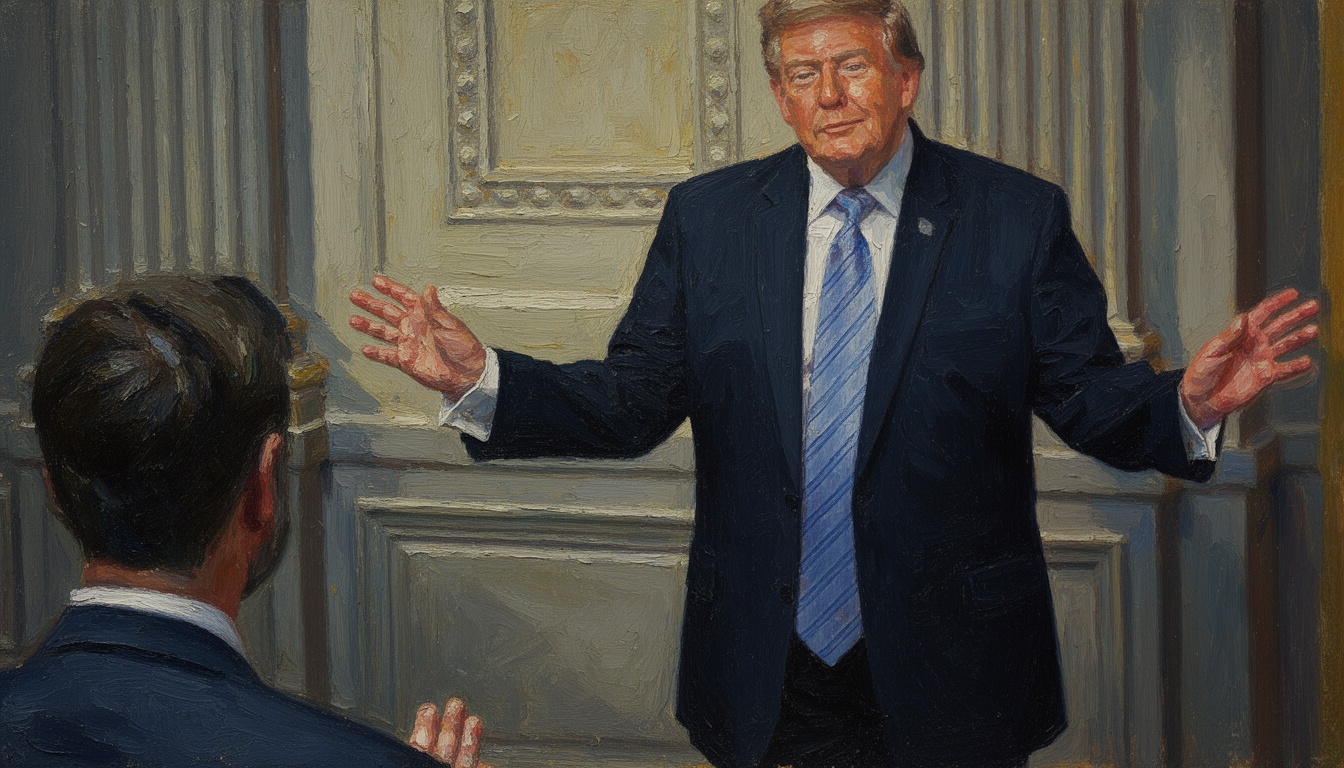
On Thursday night, US President Donald Trump delivered a significant 'Speech to the Nation' at 9pm Eastern Time. This prime-time address is notable as it is typically reserved for critical national situations. Trump's speech marked a crucial point in his second term, reflecting on pressing issues such as foreign interference in elections and the growing tensions with China, particularly in the context of their potential influence in the upcoming US elections.
In previous addresses, Trump has utilized these opportunities to emphasize key priorities. His 2022 year-end address and an April speech centered on the Iran conflict served as platforms to outline his administration's stance on significant foreign and domestic matters. The White House had not provided the full details of this address in advance, but the selected timing raised eyebrows.
The strategic significance of Trump's remarks cannot be understated, especially as the relationship between the US and China continues to deteriorate. Allegations regarding Chinese attempts to meddle in US election processes contribute to an already tense atmosphere. The President's willingness to confront such issues head-on signals an escalation in rhetoric intended to bolster national security and safeguard electoral integrity.
From a technical perspective, the US has been bolstering its intelligence and security measures in response to perceived external threats. Reports suggest that the Trump administration is considering additional sanctions and diplomatic measures aimed at deterring foreign interference from countries like China.
Looking ahead, Trump's address and the issues discussed may have ramifications in the political arena, influencing voter sentiment as the 2024 elections approach. The insistence on addressing foreign interference may rally his base while potentially polarizing public opinion regarding international relations and electoral integrity.